
Even meat-eaters (like me) need this plant-based food list
Here’s the plant-based food list you’ll want whether you eat meat or not. Add them to your shopping list to reap the benefits of plants, plants, and more plants.
“I want to eat plant-based, but my family would disown me if I stopped cooking meat and buying cheese.”
A client said that to me recently. And I’ve heard that sentiment before – lots of times!
According to a recent survey, more than 14% of adults in the U.S. report eating a plant-based diet in one form or another, and the majority of them do it for health reasons. But I find most people don’t know what a healthy plant-based diet is.
Like my client quoted above: She thought following a plant-based diet meant giving up beef, poultry, and cheese.
In fact, when I talk to people about what a plant-based diet is, they usually recite a long list of foods to avoid or expect me to give them such a list. As if plant-based really means zero animal. It doesn’t. At least it doesn’t have to mean that.
It’s not only about what you don’t eat
A plant-based diet is about what you do eat! And that’s where a good bit of the health benefits come from.
Here’s what belongs on a plant-based food list.
- nuts and seeds
- fruits
- non-starchy vegetables and starchy vegetables
- whole grains
- pulses and other legumes
- vegetable fats like olive oil
These gems are loaded with antioxidants, anti-inflammatory compounds, fibers, food for our gut microbes, and of course vitamins, minerals (like potassium and magnesium), protein, and healthy fats.
They are really, really good for you whether you eat a bit of meat or cheese with them or not!
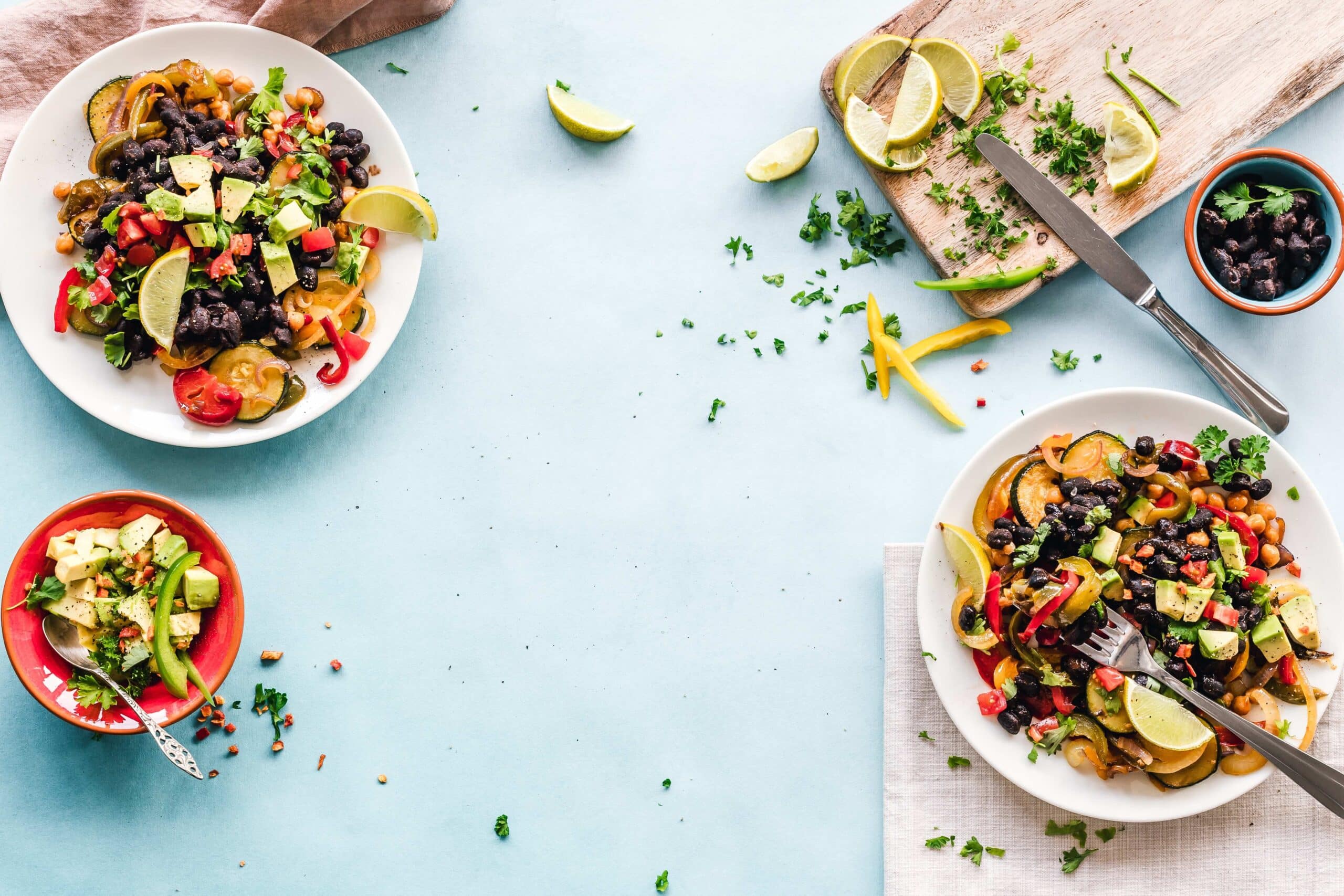
Photo credit: Ella Olsson
Food quality matters
Not all plant-based foods deserve a health halo.
Use a critical eye when considering packaged foods touting “plant-based” on the label. Plenty of plant-based foods come overloaded with added sugars and fats, making them high-calorie and pro-inflammatory. And plenty lack the dietary fiber and phytonutrients that make plant-based diets so remarkable. Vegan cookies and ice cream are still desserts. We’re better off limiting them and other low-nutrient foods like chips, chocolates, and snack crackers. We can’t compare them to the bulleted list of health-boosting foods above.
What happens when the diet is full of unhealthy plant-based foods?
It’s not a story with a happy ending.
Heart disease
When researchers scored the diets of more than 200,000 adults in the U.S., they found that a wholesome plant-based diet was linked with a 25% reduction in the risk of heart disease. But when the plant-based diet included fewer of the foods in the bulleted list above and more refined grains, sweets, and sugary drinks, the risk for heart disease went in the other direction. It jumped up by 32%.
This tells me that the wholesome foods you eat are at least as important as the foods you don’t eat.
And what about diabetes?
The research findings are similar. A diet that emphasized plant foods and was low in animal foods was associated with a 20% reduced risk of developing type 2 diabetes. However, when researchers separated the results of healthful and unhealthful diets, they found that consuming a healthful plant-based diet was linked to a 34% decreased risk of diabetes. But consuming less healthful plant foods – even with low animal food intake – was associated with a 16% higher risk of developing diabetes.
So far, we see that as long as you choose wholesome foods, eating more plants and fewer animal products may dramatically lower your risk of both heart disease and type 2 diabetes. The actual foods you have on your plant-based food list and the ones you consume make a big difference.
Cancer too
Yes! Diets with ample fruits, vegetables, pulses, nuts, and whole grains are associated with less cancer risk.
And weight loss?
It’s likely. But, of course, you’ve got to cut calories to drop weight, so if your portions are large or if you emphasize Brazil nuts over blueberries or large servings of barley over large servings of broccoli, chances are good your weight won’t come down.
You definitely don’t want to add much in the way of chips, candy, and sugary beverages to your plant-based food list.
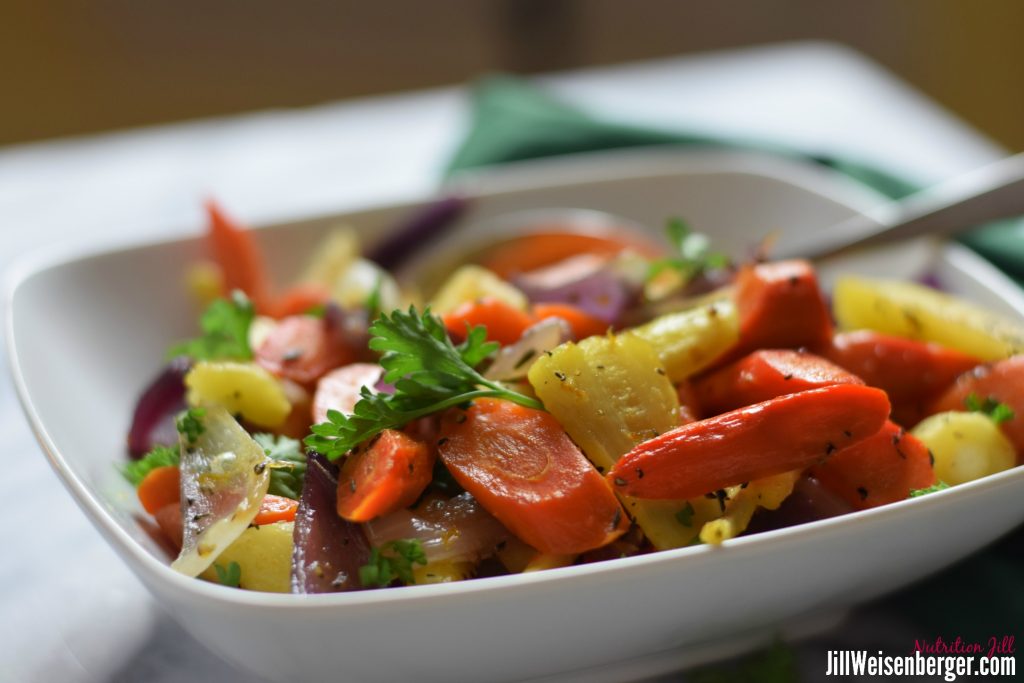
Looking for a new tasty recipe? Try these Orange-scented Roasted Carrots and Parsnips.
Why is plant-based eating so good for you?
These foods nourish our bodies, our organs, and each of our cells with ample nutrients and phytonutrients. Here’s a tiny list of magical compounds and where you’ll find them.
- Oats, barley, beans, peas, and citrus fruits provide viscous fibers that help lower cholesterol and blood sugar levels. They also give us fermentable fibers that feed the good bacteria in our guts.
- Spinach, kale, beets, and celery have nitrates that help the body produce compounds that relax your blood vessels.
- Berries have polyphenols to also make blood vessels more supple and reduce blood pressure.
- Fermentable fibers found in onions, kidney beans, chickpeas, oats, barley, and artichokes lead to the production of compounds in the colon (one example is butyrate) that protect the health of colon cells and help lower blood sugar and cholesterol levels.
- Carotenoids like lutein and beta-carotene help the body fight oxidation and inflammation. Find them in green leafy vegetables, carrots, butternut squash, bell peppers, pistachios, broccoli, and corn.
- Garlic and onions contain allium compounds, which appear to fight cancer – in laboratory studies.
You CAN add animal products to your plant-based food list
Clearly, an abundance of plants is the way to go. But a mostly plant-based diet doesn’t mean plants only. Work in animal-based foods for their unique nutrition as well. Plus, they’re tasty, and eating all types of foods is generally more convenient and fun.
Protein: While you can meet all your protein needs with plants only, meats, fish, and dairy are among the best sources of protein. Your questions about protein from plants are answered here.
Vitamin B12: The only sources of this critical vitamin are animal foods, supplements, and foods with added vitamin B12.
EPA + DHA (omega-3 fatty acids): To protect your heart, eyes, and brain, eat a couple servings of fatty fish each week. If you’re not a fish-eater, you can get these critical omega-3 fatty acids from supplements. Here’s how to pick an omega-3 supplement.
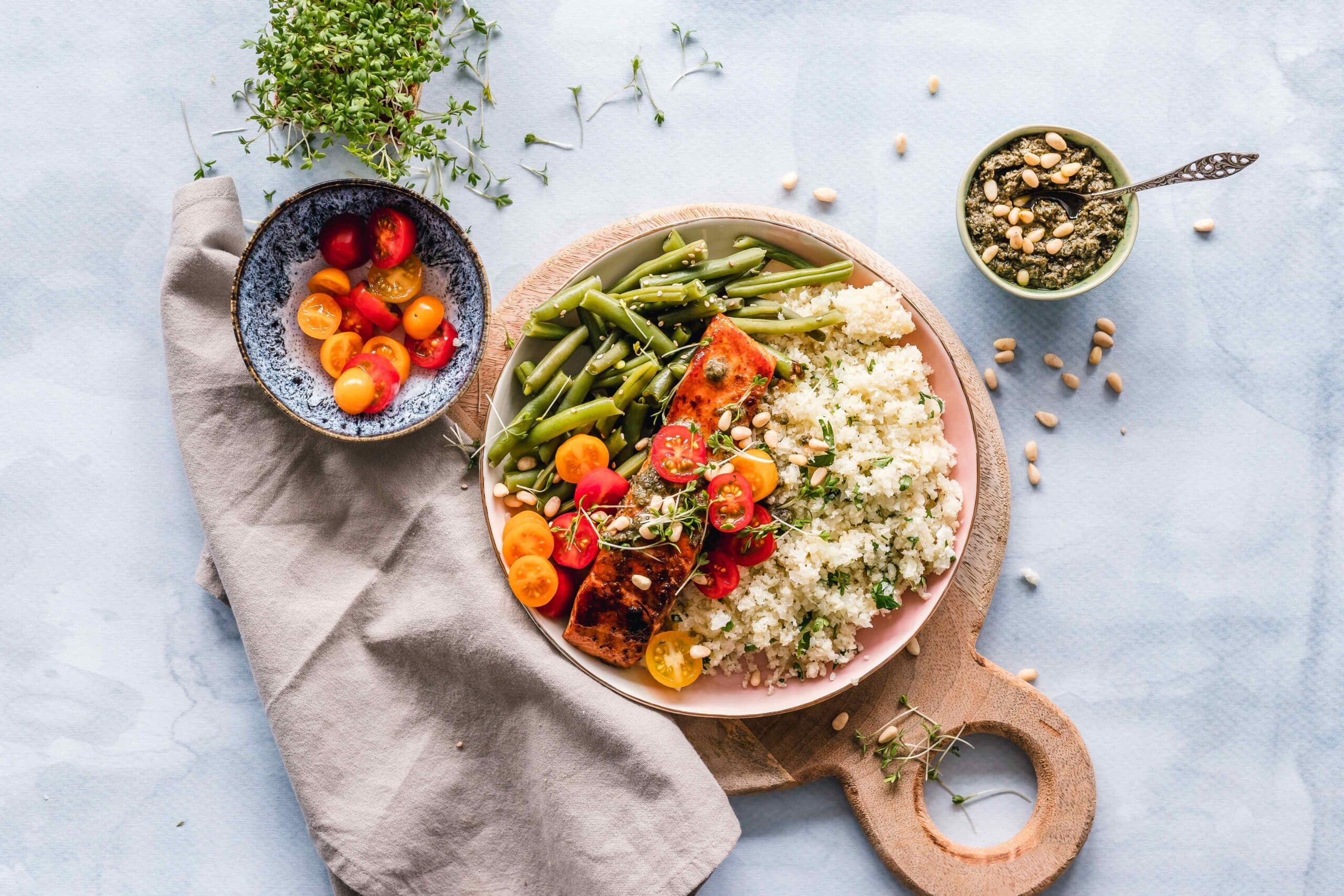
Photo credit: Ella Olsson
Types of healthy plant-based diets
There’s more than one way to a healthy plant-based diet. Here are 8 good ways to go. The plan you choose dictates what belongs on your personalized plant-based food list.
- Vegan: omits all animal products, including honey, broth, and gelatin.
- Ovo vegetarian: omits all animal products except eggs
- Lacto-vegetarian: includes no animal products except for dairy
- Lacto-ovo vegetarian: includes both dairy products and eggs
- Pescatarian: includes fish and seafood; may or may not include eggs and dairy
- Flexitarian: a vegetarian diet with the occasional inclusion of red meat, fish, and poultry
- Mediterranean-style diet: heavily focused on plants, healthy fats, and unprocessed and minimally processed foods. This style of eating is not limited to the Mediterranean region. You can include wholesome foods from any part of the world.
- DASH: rich in fruits, vegetables, whole grains, pulses, and low-fat or nonfat dairy
You can lower your blood sugar naturally with a Mediterranean diet.
Plant-based food list
A healthy plant-based shopping list can be very long. This isn’t a complete list, but it will get you started. Each week, aim to include several different choices.
Nuts and seeds
Sprinkle nuts and seeds over vegetables and grains, and mix them into salads.
-

Add a variety of nuts to your plant-based food list because they each have different health boosters.
almonds
- Brazil nuts
- cashews
- pistachios
- peanuts
- walnuts
- hazelnuts
- macadamia nuts
- pecans
- pumpkin seeds
- flaxseeds (grind these to make the omega-3 fatty acids available)
- hemp seeds
- chia seeds
- sesame seeds
- sunflower seeds
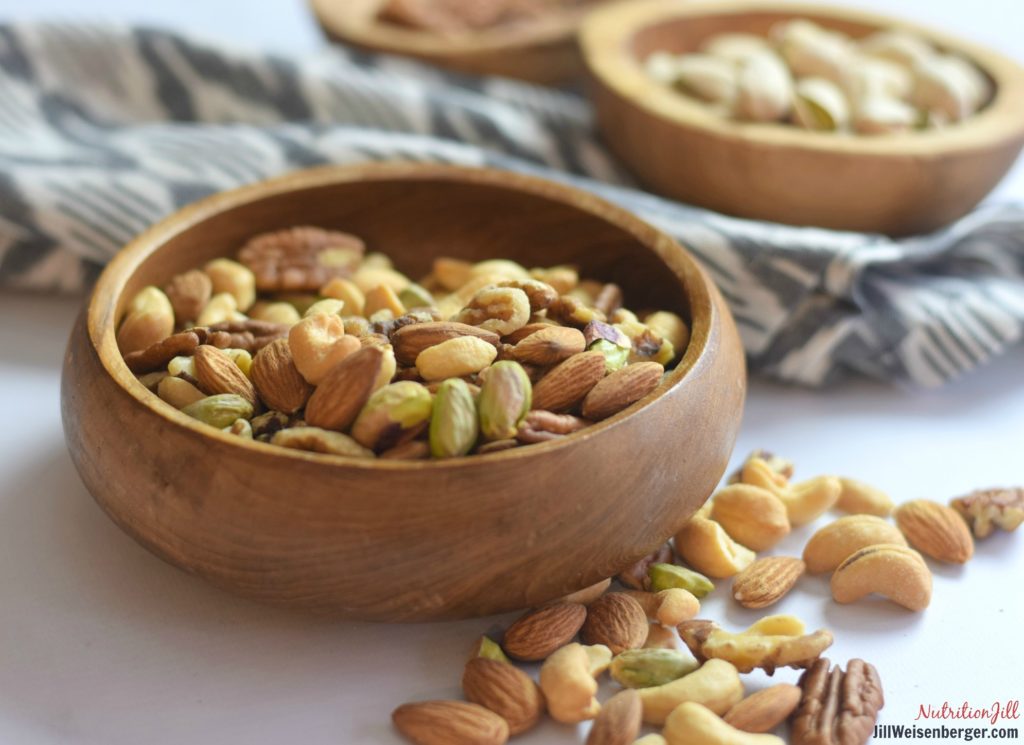
Pro tip: The healthy fats in nuts and seeds spoil quickly, so if you have more than you can use, store them in the freezer.
Fruits
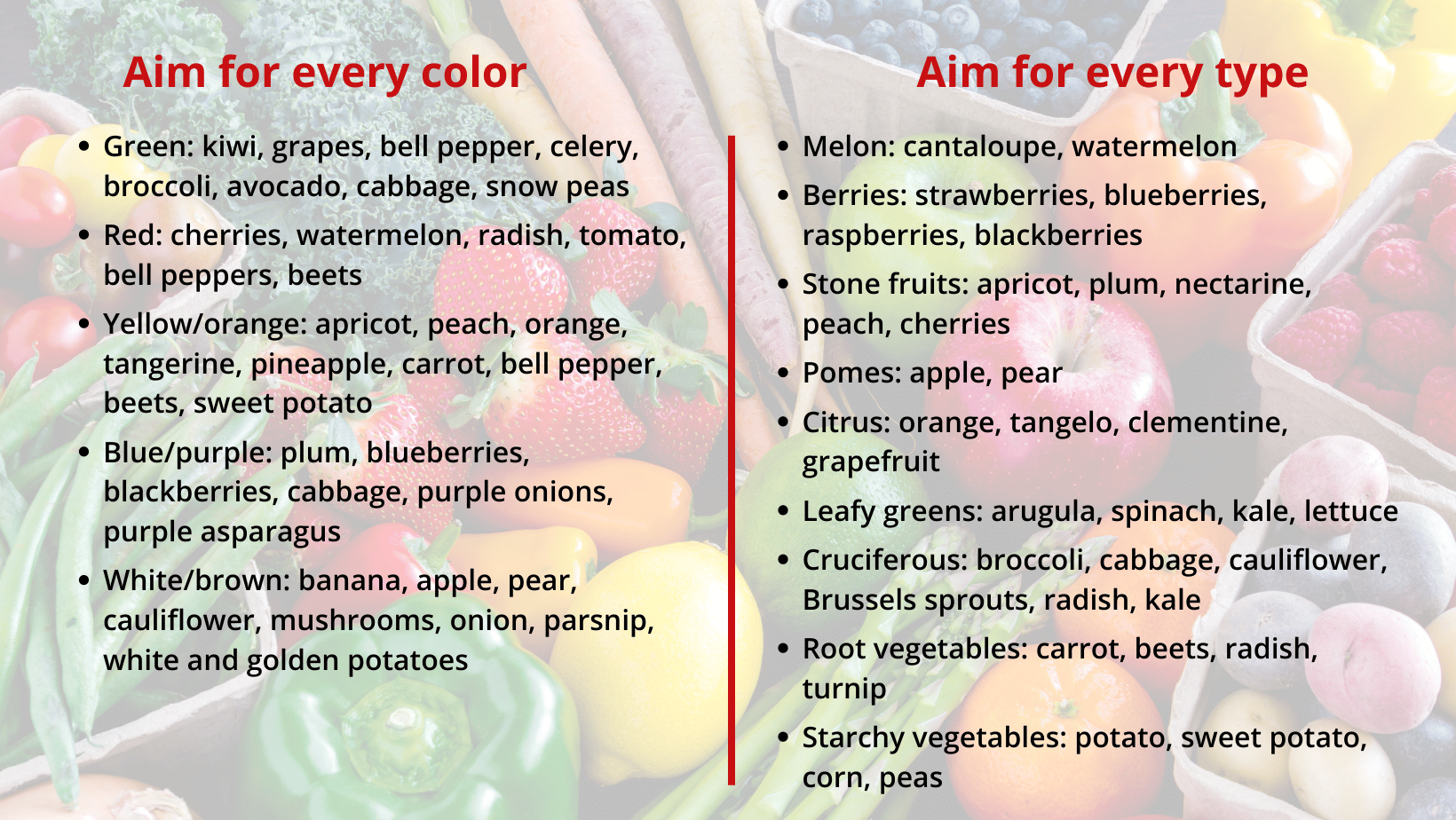
Aim for every color and every type.
- apples
- pears
- apricots

Photo credit: Brooke Lark
- blueberries
- blackberries
- strawberries
- raspberries
- cranberries
- kiwi
- quince
- kumquat
- bananas
- figs
- cherries
- grapes
- grapefruit
- oranges
- lemons
- limes
- tangelos
- pumelos
- papaya
- mango
- honeydew melon
- canteloupe
- watermelon
- pineapple
- plums
- nectarines
- peaches
- pomegranate
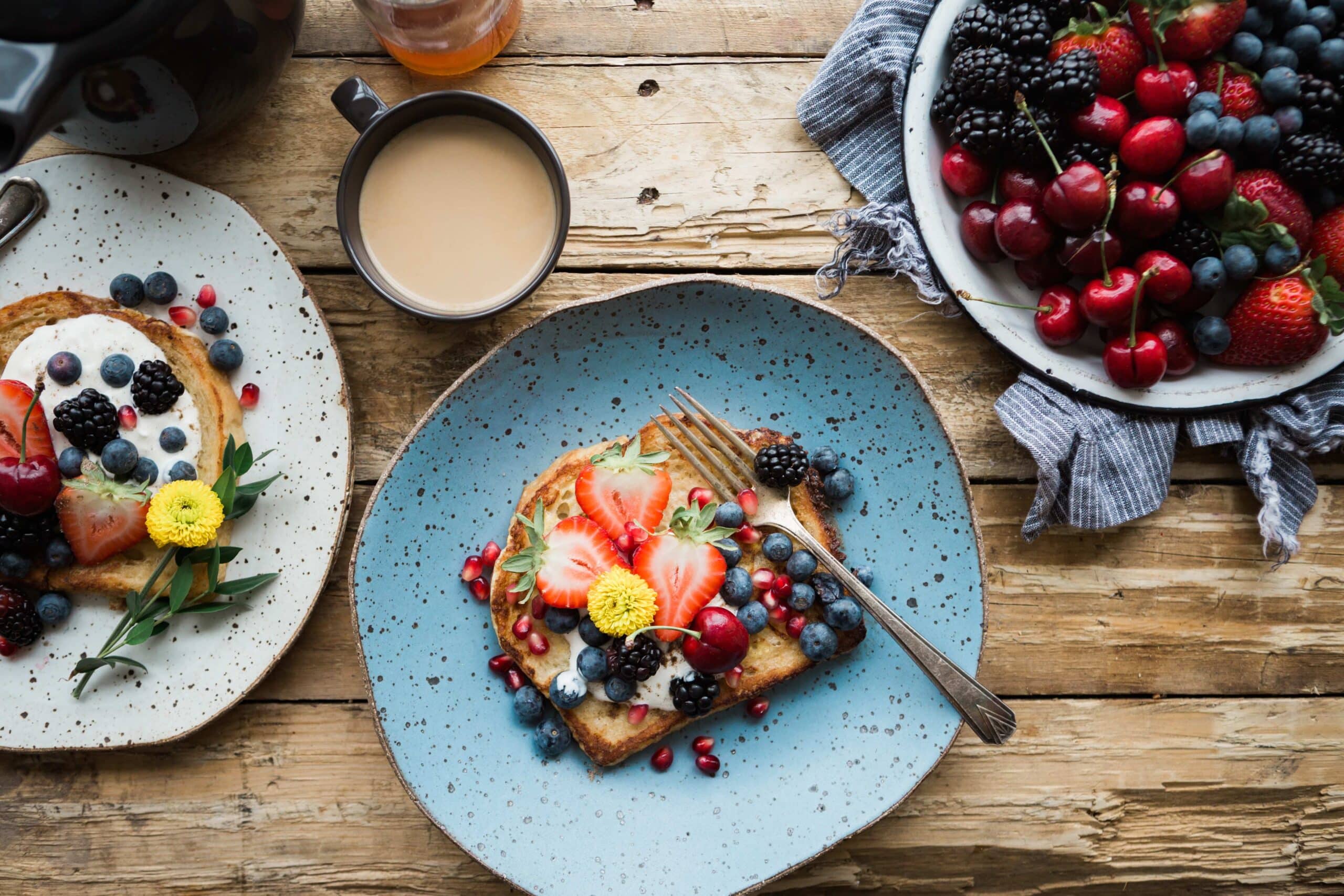
Pro tip: Feel good about fresh, frozen, and canned fruits without added sugars. Dried fruits are nutritious too, but watch your portions; they’re more calorie-dense.
Non-starchy vegetables
Again, aim for every color and every type. You can get a printable list of non-starchy vegetables here.
| Artichoke and artichoke hearts | Eggplant | Peppers |
| Asparagus | Fennel | Radishes |
| Bamboo shoots | Gourds (bitter melon, chayote, luffa) | Rutabaga |
| Beans (green beans and wax beans) | Greens (collards, dandelion, mustard, purslane, turnip) | Spinach |
| Beets | Heart of palm | Sugar snap peas |
| Broccoli | Jicama | Summer squash (yellow, pattypan, zucchini) |
| Brussels sprouts | Kale | Swiss chard |
| Cabbage (green, red, bok choy) | Kohlrabi | Tomatoes |
| Carrots | Lettuce and salad greens (arugula, butterhead, endive, frisee, radicchio, romaine, mache, iceberg, escarole, looseleaf) | Turnips |
| Cauliflower | Mushrooms (white, cremini, oyster, portabello, shiitake, enoki) | Water chestnuts |
| Celery | Okra | Yard-long beans |
| Cucumber | Onions (red, white, yellow, leeks, scallions) | |
| Daikon | Pea pods |
Pro tip: Aim to fill half your plate at both lunch and dinner with these low-calorie, low-carb treasures.
Starchy vegetables
If you’re not convinced that starchy vegetables are nutritious and wholesome, take a look at these reasons to eat starchy vegetables.
- cassava
- corn
- parsnips
- peas
- plantain
- potatoes
- sweet potatoes
- yam
- winter squash, such as butternut, pumpkin, acorn, and delicata
Pro tip: If you’re watching your weight or your blood sugar, it’s wise to eat either starchy vegetables or whole grains but not both at the same meal unless your portions are small.
Whole grains
Many people fear grains because of their rich carb content. But – like starchy vegetables – they’re more than their primary macronutrient (carbohydrate). Whole grains are linked to less risk of both type 2 diabetes and colon cancer. They have a variety of fibers, minerals, vitamins, and antioxidant and anti-inflammatory compounds. For balance, aim to make about 1/4 of your lunch and dinner plates whole grains or starchy vegetables.
- whole wheat (flour, bread, crackers, pasta, etc)

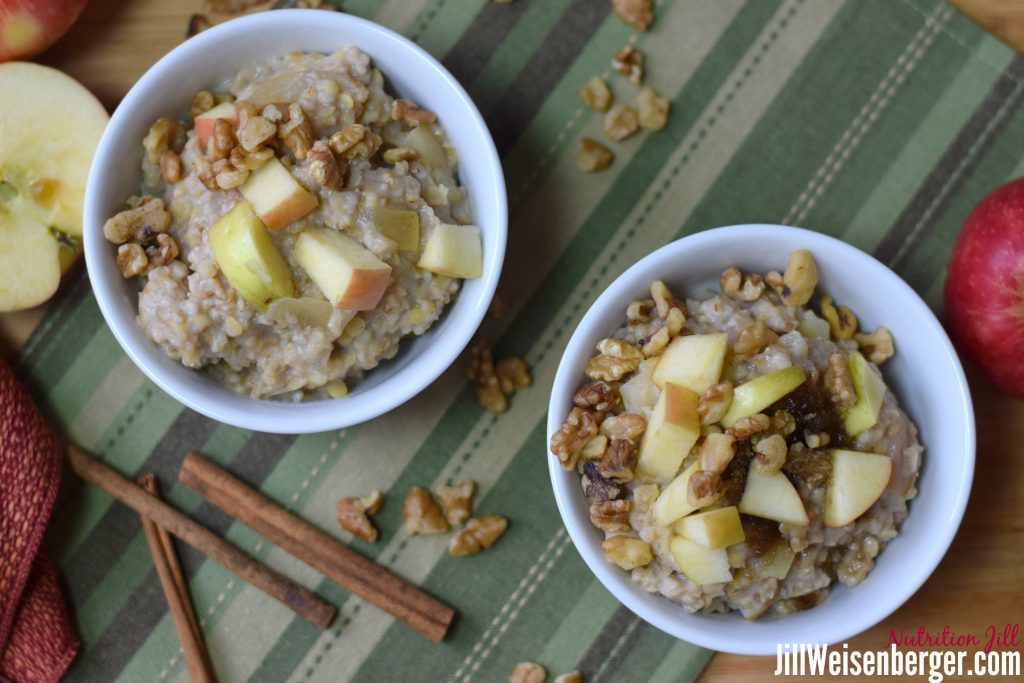
Creamy Oats and Lentils – protein + fiber + delicious
- wheat berries
- brown rice
- wild rice
- popcorn
- millet
- quinoa
- amaranth
- sorghum
- spelt
- farro
- freekeh
- oats, oatmeal, rolled oats
- corn
- barley
Whole grains contain all three parts of the seed: bran, germ, and endosperm. Refined grains typically include only the endosperm, which lacks much of the fiber, antioxidants, polyphenols, B vitamins, and healthy fats.
Refined grains are not all bad, however. White bread, white flour, and white pasta have added folic acid, which is critical during pregnancy and early childhood. Plus, each of the foods can be a tasty vehicle to other nutritious foods like pasta mixed with tons of veggies and shrimp.
Pro tip: Aim to eat some intact whole grains like brown rice, quinoa, and wheat berries. They may have more health benefits than whole grains that have been processed into breads, flour, and other products.
Pulses and other legumes
First, let’s cover what pulses and legumes are.
Legumes are plants in which fruit is enclosed in a pod. Pulses are part of the legume family, but they refer only to the dried seed. I like to make the distinction because you’ll see both words in the media and both legumes and pulses are studied for their health benefits, which include heart disease prevention, blood sugar control, and cancer prevention.
Pulses
- black beans
- kidney beans
- navy beans
- pinto beans
- adzuki beans
- great Northern beans
- chickpeas
- pigeon peas
- lentils
- yellow and green whole and split peas
Pro tip: If you use the plate method to plan your meals for diabetes or prediabetes, count pulses as either your protein food or your starchy food.
Here are 12 ways to eat more beans + 2 dozen recipes.
Other legumes
Technically, non-pulse legumes include soybeans, peanuts, fresh peas, and fresh beans. For our purposes, we’ll look at just soy, which includes these foods:
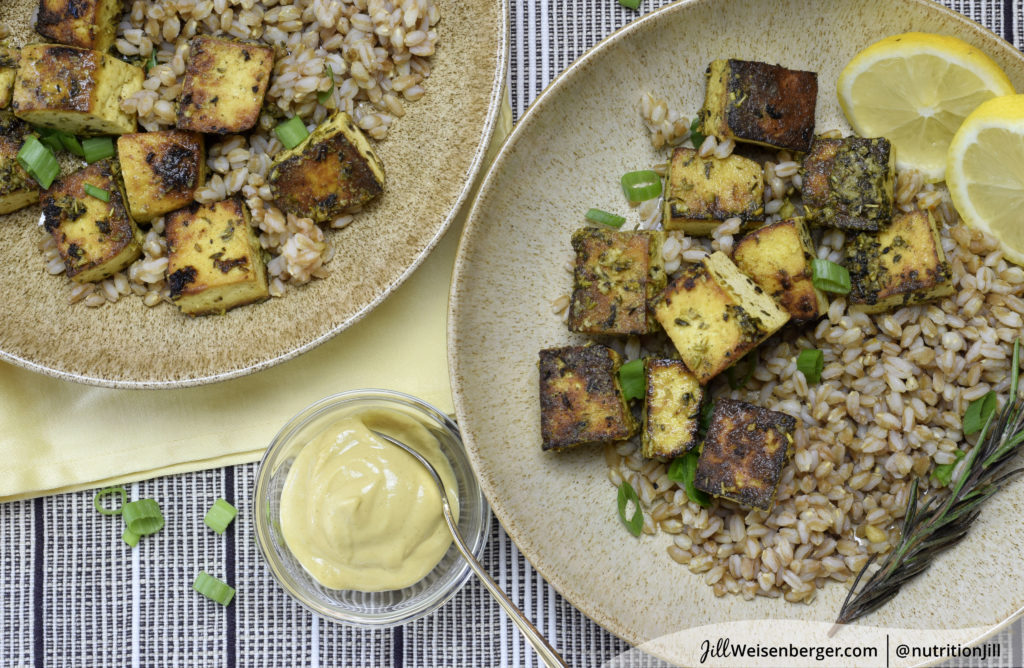
- whole soybeans
- edamame beans
- tofu
- tempeh
- soy nuts
Pro tip: Tofu and edamame beans are good options when you want more plant protein with less carbohydrate.
Other foods for your plant-based shopping list
- soymilk and soymilk yogurt
- If you want an alternative to cow’s milk, opt for soymilk. It’s nutritionally closer to dairy than typical almond milk, oat milk, and other plant-based milks.
- hummus
- perfect as a dip or spread
- nutritional yeast
- a little protein, fiber, and a nice cheesy flavor
- fresh herbs and both fresh and dried herbs and spices
- olive oil or other liquid oil
- coffee and tea
- Plant-based and loaded with health boosters. I include them on my list of foods for prediabetes.
Make it practical
Follow these 6 tips to ease yourself into a more plant-based diet.
- Focus on what to eat. Enjoy the plethora of wholesome, delicious foods, and don’t focus on what to avoid. I promise it’s much more fun!
- Eat more of the foods you already like. If you enjoy peanut butter on an English muffin for breakfast, eat that more often than sausage and eggs. Maybe you eat black bean or lentil soup now and then. You can put that in your rotation more often too.
- Have fun experimenting. Regularly try a new food or recipe. Ask your friends for their favorite vegetarian recipes. Take a cooking class that focuses on plant-based recipes. Visit restaurants to try something you don’t want to cook at home.
- Order edamame beans as a starter in a Japanese restaurant
- Choose lentils or chickpeas at an Indian restaurant
- Try tofu in your favorite Chinese restaurant
- Mix your favorite flavors with plant proteins. What are your go-to flavor combinations? A combo of sesame oil, ginger, and soy sauce is as delicious with tofu as it is with chicken. Mexican spices perfectly season pinto beans for tacos with or without meat.
- Make easy your BFF. You’ll get a meal on the table faster with some carefully selected convenience foods. Look for frozen whole grains or those you can microwave in a pouch. Canned beans, frozen vegetables, and ready-to-cook fresh veggies are among my favorite time-savers.
- Mix and match your proteins. Combine plant and animal proteins. Lentil chili and black beans and rice are tastier, heartier, and higher in protein when I top them with nonfat Greek yogurt. You might try mixing ground beef with lentils when making tacos or meatloaf. Toss drained and rinsed canned chickpeas into chicken and vegetable soup.
Every week, my plant-based shopping list includes milk, eggs, yogurt, cottage cheese, and fish. They’re each among my favorites and sit between the berries, pulses, citrus fruits, farro, brown rice, and other wholesome plant foods I’ve included on this plant-based food list.
I’m planning a part 2 to this post, so let me know in the comments below if you have any questions about what belongs on a plant-based food list or anything about plant-based eating, in general.
So far, I’ve gotten questions about protein from plants, so I put together answers to your questions here.
Filed Under: Meal Planning, Nutrition, Science of Healthy
Tagged: blood sugar, diabetes, fruit, heart healthy, legumes, plant-based, prediabetes, starchy vegetables, vegan, vegetarian

Jill Weisenberger
I'm Jill, and I believe simple changes in your mindset and health habits can bring life-changing rewards. And I don't believe in willpower. It's waaaay overrated. As a food-loving registered dietitian nutritionist, certified diabetes care and education specialist and certified health and wellness coach, I've helped thousands of people solve their food and nutrition problems. If you're looking for a better way to master this whole healthy eating/healthy living thing or if you're trying to prevent or manage diabetes or heart problems, you'll find plenty of resources right here.
Leave a Reply
8 Comments
Leave a Comment
Welcome to my Blog
Hi there! I'm Jill, a nutrition & diabetes expert and the author of 4 books.

I believe simple changes in health habits can bring you life-changing rewards.
And I believe willpower is way overrated.
Right here is where you can discover the mindset and habits to stick with healthy lifestyle choices most of the time - and drop the guilt when you don't.
Get the Second Edition!

Featured Posts



Hi Jill I LOVED this email. I feel I have learned so much As a matter of fact I have read it three times. I can hardly wait for part two!! I believe mindset along with all of your great information is just what I was needing. I hope you are enjoying your new grand baby. Have a great holiday!!
Three times! Wow, that makes me feel great. Keep me posted if you have specific questions I can cover in part 2. And I’m loving the living daylights out of that beautiful baby!
Today I got bloodwork back. My dr. gave me from May until now to lower my cholesterol. The total cholesterol in May was 217. The total today was 217. I eat a lot of the foods you have mentioned. Even more so when my cholesterol went up. I just don’t understand. I don’t want to go on medication. In May my blood sugar was 103. The dr. did not do bloodwork on my blood sugar this time. My cholesterol is high so my blood sugar must be to. I don’t even want to think about my blood sugar. I’m so depressed. Guess I should ask him for a anti-depressant also.
How incredibly frustrating! Most people can lower their cholesterol levels 20 – 30% with diet, which often isn’t enough, so medications and diet are prescribed. If your levels haven’t budged a bit, I recommend working with a registered dietitian nutritionist to look carefully at your diet – try to find the sneaky things – to make recommendations. If nothing else, you can at least be reassured that you’re doing all you can. You might also find good info here:
Lower your cholesterol with this.
Heart-healthy fats.
Prevent heart disease.
I’d like to know more about protein on plant-based diets. What are some good sources?
Great question. Here’s tons of information about protein from plants.
I love your recipes that I’ve tried, so far. I do find
that I still prefer to read information in book type
rather on a computer screen, so I have purchased
your book on prediabetes, though I am diagnosed
with type 2. And I may have printed some things
that I shouldn’t have, however, I will not put them
in front of any other eyes. And I’m sorry if I did
something wrong. However I am old-school and
have to sit and study material and underline and go
over it again and again. Please write a book with
your recipes.
Thanks Joan! Most of my books have at least a few recipes, but I have no plans to write a cookbook. I’d rather put my recipes on my website for free.