

The healthiest oil to cook with might surprise you – in a good way!
The healthiest oil to cook with for your heart and your health is easy to find. It’s probably already in your kitchen.
Olive oil comes from olives. Coconut oil comes from coconuts. But vegetable oil doesn’t come from veggies.
The cooking oil aisle of the supermarket summons up as much confusion and overwhelm as the yogurt and cereal aisles. So many choices!
Bottles of all sizes, colors, and price tags vie for your attention with promises of good health, great taste, and culinary versatility. So how do you decide which oil to cook with?
The good news: You have many “best” or healthy options. And at least one of the healthiest oils to cook with is probably in your pantry right now.
4 things all cooking oils have in common
- Despite their diverse sources, all cooking oils come from plants, categorizing them collectively as vegetable oils. However, the generic term “vegetable oil” on a bottle usually indicates soybean oil or a blend of soybean and corn oils
- All oils provide about 120 calories per tablespoon
- and 14 grams of fat per tablespoon
- They’re a mix of saturated, monounsaturated, and polyunsaturated fatty acids
Though each oil has a unique fatty acid profile, it’s wrong (but common) to say that olive oil is a monounsaturated fat and that coconut oil is a saturated fat. Both – like all oils – are a mix.
We can say with accuracy that olive oil has more monounsaturated fatty acids than most oils and that coconut oil has more saturated fat than most others.

The healthiest oil will enhance almost everything you cook.
Photo credit: Maarten van den Heuvel
What research says about the best cooking oil for your heart
Whether you have diabetes or prediabetes, whether you’re male or female, and regardless of your ethnic origin, you’re more likely to die of heart disease than anything else, so this is important to all of us.
Cooking oils and cholesterol
No bottle of cooking oil contains cholesterol. Cooking oils come from plants, and no plant has cholesterol. However, the fats we eat – including fats from plants – affect the cholesterol levels in our blood.
How?
Diets high in saturated fats raise LDL cholesterol, which is associated with an increased risk of heart disease. Replacing saturated fatty acids with any type of unsaturated fatty acid lowers LDLs. Definitely a good thing.
Different oils lower LDL by various amounts. In an analysis of 54 studies, researchers found that all of the tested oils, including olive, sunflower, canola, soybean, and corn oils, lowered LDL cholesterol compared to butter, which is high in saturated fat. Interestingly, sunflower oil lowered LDL cholesterol the most, but that doesn’t mean sunflower oil is the healthiest oil to cook with compared to other options.
For your cholesterol levels, the healthiest cooking oil or fat will be low in saturated fats.
What you should do: Choose any liquid oil over solid fats like butter and lard and semi-solid oils like coconut, palm, and palm kernel oils.
Be smart with all of your fat choices. Check out the good fats for diabetes and your heart.

Sunflower oil comes from the seeds of this beautiful flower.
Photo credit: Thanuj Mathew
Cooking oils and inflammation
You’ve likely heard that some oils – those high in omega-6 fatty acids – are toxic and linked to diabetes, heart disease, and cancers because they promote inflammation. It’s another oft-said nutrition soundbite without the research to back it up.
Omega-6 fatty acids are essential
That means we need to consume them from food because our bodies require them but don’t make them.
Fortunately, nearly no one is deficient in these fats. Some people argue that omega-6 fats cause inflammation based on good theory. I used to be one of those people. But research has caught up with theory and has disproven this thesis.
Omega-6 fatty acids, which are common in seed oils like soybean, corn, and sunflower oils, are not inflammatory. An abundance of research supports that omega-6 fats are associated with good health. In fact, research argues that omega-6 fatty acids are anti-inflammatory and reduce the risk of heart disease, type 2 diabetes, and mortality.

Canola oil makes this healthy chocolate chip banana bread super moist.
But consider this …
While on average, we eat ample omega-6 fatty acids and they do not harm us, we eat significantly too little anti-inflammatory omega-3 fatty acids. The best sources of these precious compounds are fatty fish, but you can also get the plant version from these foods:
- canola oil
- tofu, soybeans, and soybean oil
- ground flaxseed and flaxseed oil
- walnuts and walnut oil
- pumpkin seeds and pumpkin oil
What you should do: Stop worrying about inflammatory effects of seed oils based on their omega-6 fatty acid content. However, make an effort to include omega-3 fatty acids in your diet regularly.
If you want a neutral-tasting oil for baking – like in my super moist chocolate chip banana bread – canola oil is an excellent choice.
Olive oil has something special
Actually, olive oil has several unique attributes. Unlike typical vegetable oils, olive oil does not come from seeds. Rather it’s extracted from the flesh of the olive, making it a bit like juice squeezed from an orange. Avocado oil is similarly produced.
Like olives themselves, olive oil is brimmed with phytonutrients, including polyphenols and terpenoids, which likely boost your anti-oxidant defenses and may even make LDL cholesterol less damaging. Finally, studies suggest that it’s the polyphenols in extra virgin olive oil that lowers blood pressure in people with hypertension.
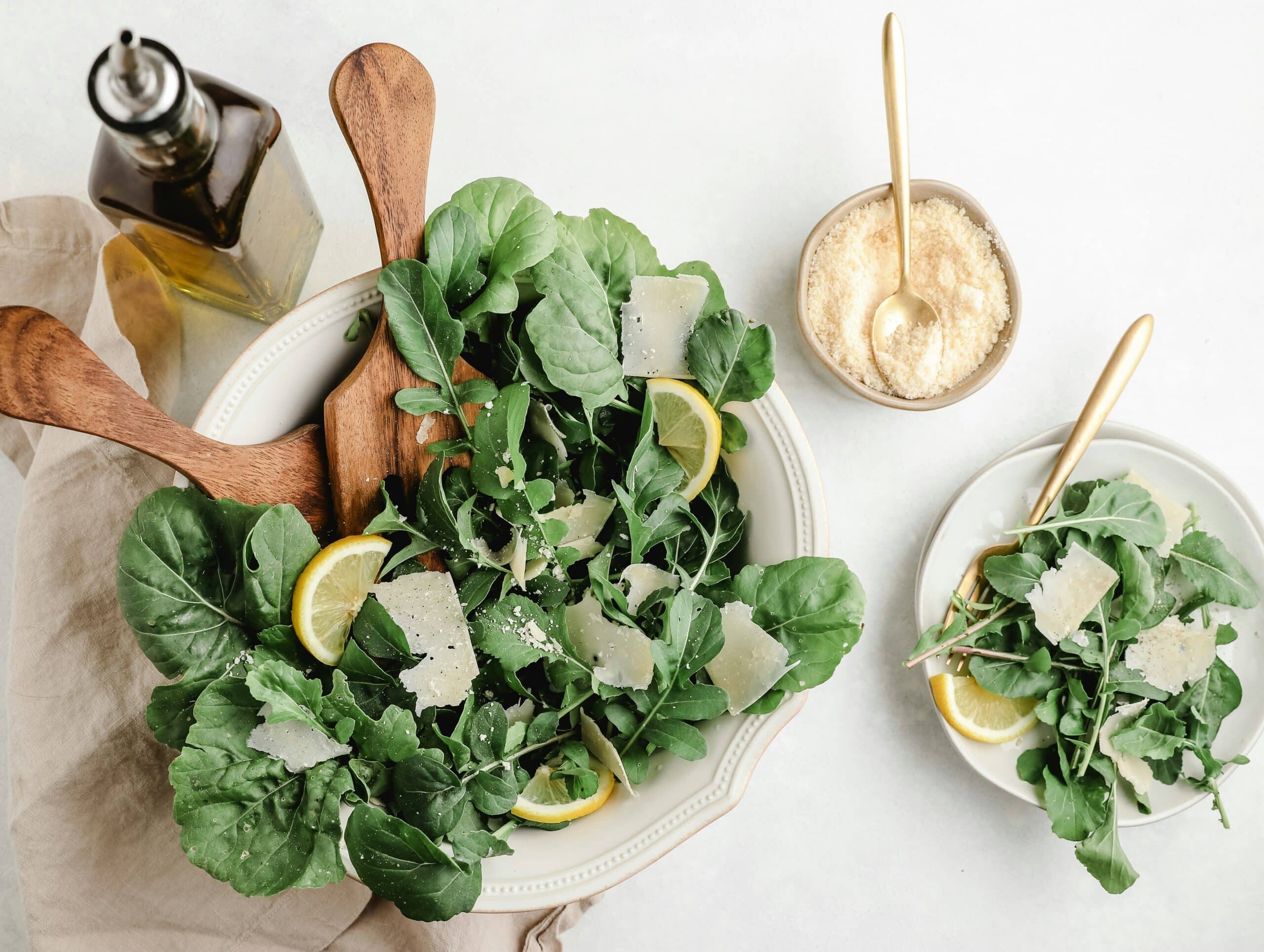
The extra virgin olive oil helps you absorb beta-carotene, lutein, and other phytonutrients in these leafy greens.
Photo credit: Leigh Skomal
But there are many types of olive oil
Even standing in front of the smaller olive oil section of the supermarket is confusing and overwhelming. In my local store, at least 15 bottles of olive oil scream “Pick me, pick me.”
Olive oil from Greece, Spain, and California. Oil from picual olives, pendolino olives, koroneiki olives. And of course, labels tout virgin, extra virgin, and pure.
What does it all mean?
Each type of oil will have different nutrient profiles. However, all of these are loaded with healthy monounsaturated fatty acids and are moderate in saturated fatty acids. The main differences are in the content of polyphenols and other phytonutrients. Unfortunately, most research doesn’t distinguish between the various types of olive oil, so we can’t make strong recommendations based on the type of olive oil. Here’s what I can tell you.
Types of olive oil
Extra-virgin olive oil: the first oil extracted from the fruit by mechanical, non-heat method. It has the strongest flavor and aroma and is rich in antioxidants, anti-inflammatory compounds, and other phytonutrients.
Virgin olive oil: also extracted by a mechanical, non-heat method and full of healthy compounds. According to the North American Olive Oil Association, virgin olive oil is of slightly lower quality and a bit more acidic than extra-virgin oil.
Regular olive oil (aka pure, light-tasting, classic): typically a combination of virgin and refined olive oils. Regular olive oil has mild flavors and few polyphenols.
What you should do: Because research suggests it has health benefits beyond its monounsaturated fat content, the pricier extra-virgin olive oil is a good idea when it makes culinary sense and if your budget allows.
How to include oils in your diet
I remember the weird low-fat trend of the ’80s and into the ’90s when health professionals (including me 🤦🏻♀️) told health-conscious people to sauté veggies in chicken broth instead of oil. Less fat and fewer calories would mean better health, we said.
Only we were wrong!
Fat in the diet has oodles of purposes, and liquid oils like olive, soybean, and sunflower oils are heart-healthy. Here’s what fat does:
- improves texture and flavor – imagine the taste and feel of fat-free biscuits or chocolate
- helps the body absorb fat-soluble nutrients and phytonutrients
- slows down digestion and absorption, which aid in satiety or that comfortable feeling of fullness after eating
But oils also have a hefty calorie load. A mere tablespoon of oil drizzled over your green salad bumps up the calories by 120.
What you should do: Swap out solid and semi-solid fats for oils. Aim for about 2 to 4 tablespoons of heart-healthy oils daily. But don’t simply add oils to your diet – unless you’re trying to gain weight. Eat them in place of something else, so you don’t take in excess calories.
When you replace the saturated fats in butter, lard, coconut oil, and other solid and semi-solid fats with the unsaturated fats of liquid oils, you can expect lower LDL cholesterol levels. And if the oil is a strong source of polyphenols like extra virgin olive oil, you may experience additional heart health benefits.
Try some of these:
- Roast a pound of vegetables in 1 – 2 tablespoons of oil at 425°F. (Yes, it’s safe to use extra virgin olive oil at this high oven temperature; see below.) I use less oil with smooth veggies like carrots and Brussels sprouts, but more with heavily textured vegetables like broccoli.
- Sauté veggies over medium-high heat in 1 – 2 tablespoons of oil, depending on the size of your pan. Use enough to cover the entire bottom surface.
- Mix 2 tablespoons of oil with 1 tablespoon of lemon juice or vinegar with herbs and spices to dress a salad. Mix up the oils, vinegars, and seasonings to match the flavor of your meal. Try sesame oil in a peanut dressing; extra virgin olive oil, red wine vinegar, and lots of garlic for a Greek-inspired meal; and combine extra virgin olive oil and lemon juice for a grain-based salad like this red quinoa tabouli or a bean-based salad like this one.
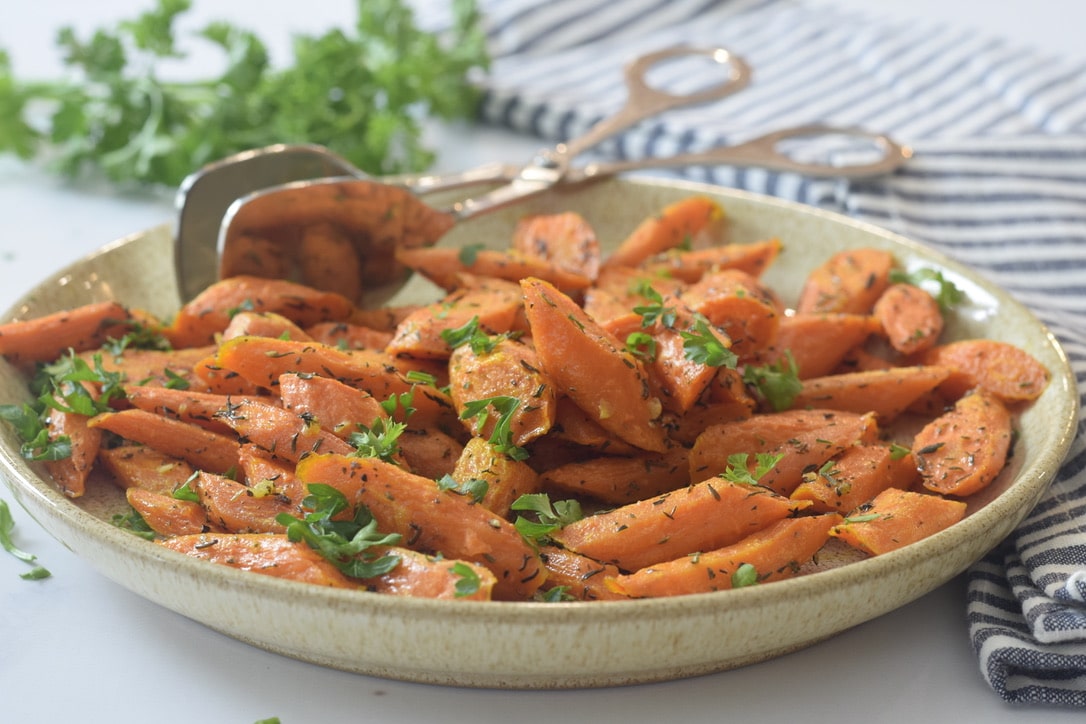
Carrots, roasted in extra virgin olive oil at 425°F, seasoned with garlic, thyme, and parsley.
Bottom line: the healthiest oil to cook with
Each oil offers something slightly different, so it’s hard to make a bad choice if you stick to liquid oils (instead of semi-solid tropical oils).
Because I like the flavor and the extra dose of polyphenols, I use extra virgin olive oil for most of my everyday cooking. However, I have smaller bottles of canola oil for its neutral flavor, walnut oil for some salads, hazelnut oil to finish fish or green vegetables, and sesame oil for Asian-inspired meals.
What you should do: Let flavor and budget guide your choice.
Frequently Asked Questions about the healthiest oil to cook with
Below, you’ll find answers to the 5 most common questions I hear from my students and clients about the best cooking oils.
- I’ve heard that canola, soybean, and corn oils are toxic because manufacturers use hexane to extract the oils from the seeds. Should I avoid these oils? Go to answer
- How important is the smoke point of an oil? If I cook with an oil with a low smoke point, am I causing toxins? Go to answer
- Is avocado oil as healthy as olive oil? Go to answer
- Can I bake with oil instead of butter? Go to answer
- I like to have several types of cooking oils in my kitchen. How can I keep them from going rancid? Go to answer
- Isn’t the ratio of omega-6 to omega-3 fatty acids important for health? Go to answer
#1 I’ve heard that canola, soybean, and corn oils are toxic because manufacturers use hexane to extract the oils from the seeds. Should I avoid these oils?
No need to avoid these heart-healthy oils. However, manufacturers do use hexane, made from crude oil, to extract the oils from the seeds. The “made from crude oil” part might sound scary, but let’s put it into perspective. In large quantities, hexane is harmful, but the amounts left in cooking oils are negligible and teeny tiny compared to your exposure to hexane from traffic fumes.
#2 How important is the smoke point of an oil? If I cook with an oil with a low smoke point – like extra virgin olive oil – am I causing toxins?
An oil’s smoke point is much less important to the oil’s stability than we once thought. Researchers find that extra virgin olive oil works well in most cooking because of the high amount of stable monounsaturated fatty acids it has and because of its phytochemical content. Another thing to consider is that the temperature of your food is often much lower than your cooking temperature. For example, your cooked broccoli reaches a lower temperature than the oven that roasts it.
#3 Is avocado oil as healthy as olive oil
Compared to olive oil, the research on avocado oil is sparse, so it’s impossible to call one better than the other.
However, like olive oil, avocado oil is rich in heart-healthy monounsaturated fats. And because it’s usually made by extracting the oil from the flesh of the fruit, like olive oil, it retains many important phytonutrients. Also like olive oil, the nutrient and phytonutrient profiles depend on the variety of the fruit, weather conditions, and extraction methods.
Avocado oil appears to be another excellent choice, so you can put it on your list of healthiest oil to cook with.
#4 Can I bake with oil instead of butter
Indeed you can!
Baking with oil typically brings about a lighter baked good that stays moist longer. But if your cookie or cake relies on a buttery flavor, you won’t get it with oil.
Here’s how to make the oil swap: Replace 4 tablespoons of butter with 3 tablespoons of oil.
#5 I like to have several types of cooking oils in my kitchen. How can I keep them from going rancid?
Heat, air, and light accelerate spoilage, so keep these 3 tips in mind when storing the healthiest oil to cook with – whatever that choice is for you.
- Check the oil’s best-by-date before purchasing.
- Buy only as much as you can use before reaching the best-by-date. A small bottle of cooking oil might cost more per serving than a bigger bottle, but if you can’t use up the larger quantity before it goes bad, you’re still spending too much.
- Keep your oils in a dark cabinet away from the stove or oven, and of course, seal your bottles well. If you need your oil on the kitchen counter, store it in a ceramic bottle instead of a glass one.
#6 Isn’t the ratio of omega-6 to omega-3 fatty acids important for health?
Scientific understanding of this has changed. Researchers and practitioners no longer consider the omega-6:omega-3 ratio a suitable measure of diet quality. Both omega-3 fats and omega-6 fats are essential and have different roles. Instead of worrying about a meaningless ratio, focus on eating ample amounts of both, specifically in place of saturated fats.
Am I right?
Is the healthiest oil to cook with already in your pantry? Hope this makes grocery shopping a tiny bit less confusing and overwhelming.
And now more about healthy cooking and eating …
Filed Under: Heart Health, Myth Busting
Tagged: cooking oil, fats, heart healthy, heart healthy fats, olive oil

Jill Weisenberger
I'm Jill, and I believe simple changes in your mindset and health habits can bring life-changing rewards. And I don't believe in willpower. It's waaaay overrated. As a food-loving registered dietitian nutritionist, certified diabetes care and education specialist and certified health and wellness coach, I've helped thousands of people solve their food and nutrition problems. If you're looking for a better way to master this whole healthy eating/healthy living thing or if you're trying to prevent or manage diabetes or heart problems, you'll find plenty of resources right here.
Leave a Reply
5 Comments
Leave a Comment
Welcome to my Blog
Hi there! I'm Jill, a nutrition & diabetes expert and the author of 4 books.

I believe simple changes in health habits can bring you life-changing rewards.
And I believe willpower is way overrated.
Right here is where you can discover the mindset and habits to stick with healthy lifestyle choices most of the time - and drop the guilt when you don't.
Get the Second Edition!

Featured Posts



Thanks Jill
You answered many questions I have about oils. Great info!
Yay! Thanks for reading Gwen!
I keep hearing that seed oils are toxic. Thanks for the explanation. I’m going to try your banana bread with canola oil.
My pleasure! Can’t wait to hear how you like it
Thanks for such a complete guide to oils. You sure cleared up my misconceptions. Great info.