
What are Phytochemicals? Why you should care and what to do today!
Blueberries, chickpeas, and walnuts are loaded with phytochemicals. But what are phytochemicals? They’re health-boosters, disease-fighters, and defenders from the bad stuff!
You should have seen the cringey expression on my face when I overheard a “health and nutrition coach” tell someone that chickpeas and hummus are too high in carbs and it’s better to snack on protein foods like cheese and hard-boiled eggs. UGH!
She also says that berries are better for you than other fruits because berries are lower in sugar. She’s totally missing the point about what good nutrition is.
To be clear, she has no credentials and is teaching others about nutrition simply because she figured out a healthy-ish diet for herself and lost weight.
Why I cringed
Chickpeas, hummus and fruits are really, really good for you. As are cheese and eggs.
Don’t be afraid of your food!
The bigger problem here is emphasizing what might be bad in food and ignoring what good nutrition is. Good nutrition requires taking in ample nutrients of all types – it’s not simply avoiding some perceived bad component of food.
By the way, carbs and natural sugars are not bad components in your food.
What’s in your food?
Whether we dine on salami sandwiches, salmon and broccoli over brown rice, or chicken noodle soup, we get protein, fat and carbohydrates. We also get fiber, vitamins and minerals. What else?
Every plant gives us phytochemicals aka phytonutrients. Apples, chickpeas, and even plain, pale lettuce boost our health.
Phytochemicals fight inflammation, lower insulin resistance, and reduce blood pressure. But that’s only the beginning of their magic.

Photo credit: Brooke Lark
What are phytochemicals?
The word phytochemical literally means plant chemical. Phytochemicals give broccoli, bananas and beets color, flavor and aroma. They give color, flavor and aroma to all plants. They help protect the plant from insect attacks and diseases. Clearly, phytochemicals are critical to the plant’s survival.
And they’re critical to our health too.
The best way to get the right mix and enough phytonutrients is to eat lots and lots of plants. Thousands of phytochemicals grace our foods. When you stand in the produce section of your supermarket, they’re all around you. They surround you in the center aisles too when you’re near canned and frozen fruits and vegetables. And when you’re walking by the cereal aisle or the crackers, bread, rice or nuts, there they are.
Shopping only the perimeter of the supermarket is a silly, not-so-healthy eating rule.
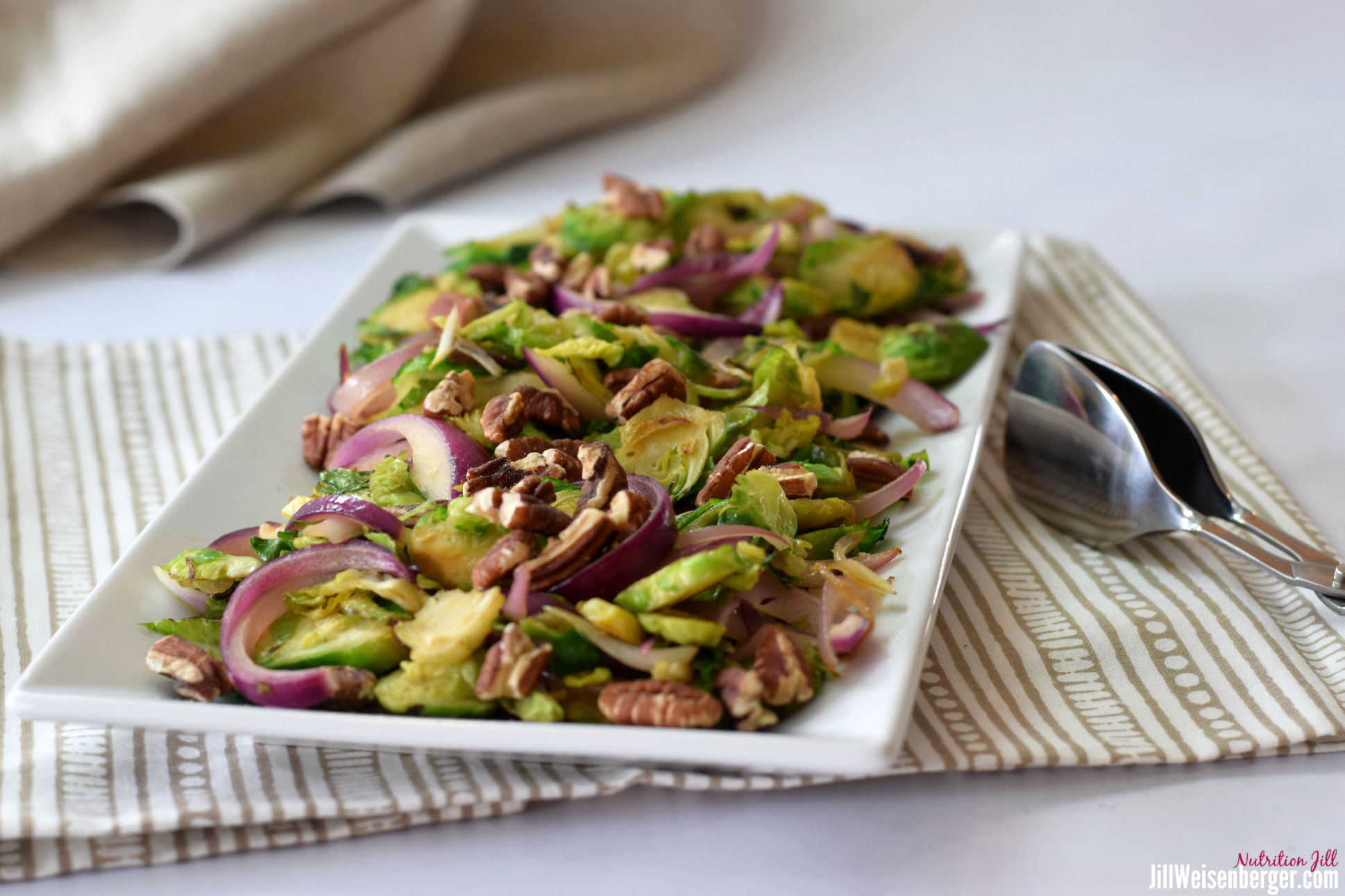
Such a variety of phytochemicals in Brussels sprouts, red onions, pecans and seasonings!
What do phytochemicals do?
When we eat them, phytochemicals interact with each other, other nutrients, and our gut bacteria to help us fend off chronic diseases like heart disease, type 2 diabetes and cancers.
Eating a plant-slant diet with ample fruits, vegetables, legumes, whole grains, nuts and seeds is linked with longer, healthier lives. Phytochemicals are part of the reason. And different phytochemicals have different effects.
Here are some ways various phytochemicals shield your health.
They help protect the blood vessels, eyes, brain, skin, nerves and more.
- Stimulate the immune system
- Help regulate hormones
- Prevent oxidation, which means that they act as antioxidants
- Block or lower inflammation
- Prevent DNA damage
- Aid in DNA repair
- Slow the growth of cancer cells
- Trigger unhealthy or damaged cells to die
- Detoxify chemicals
- Prevent blood cells from sticking together
- Increase insulin sensitivity
- Improve blood vessel function
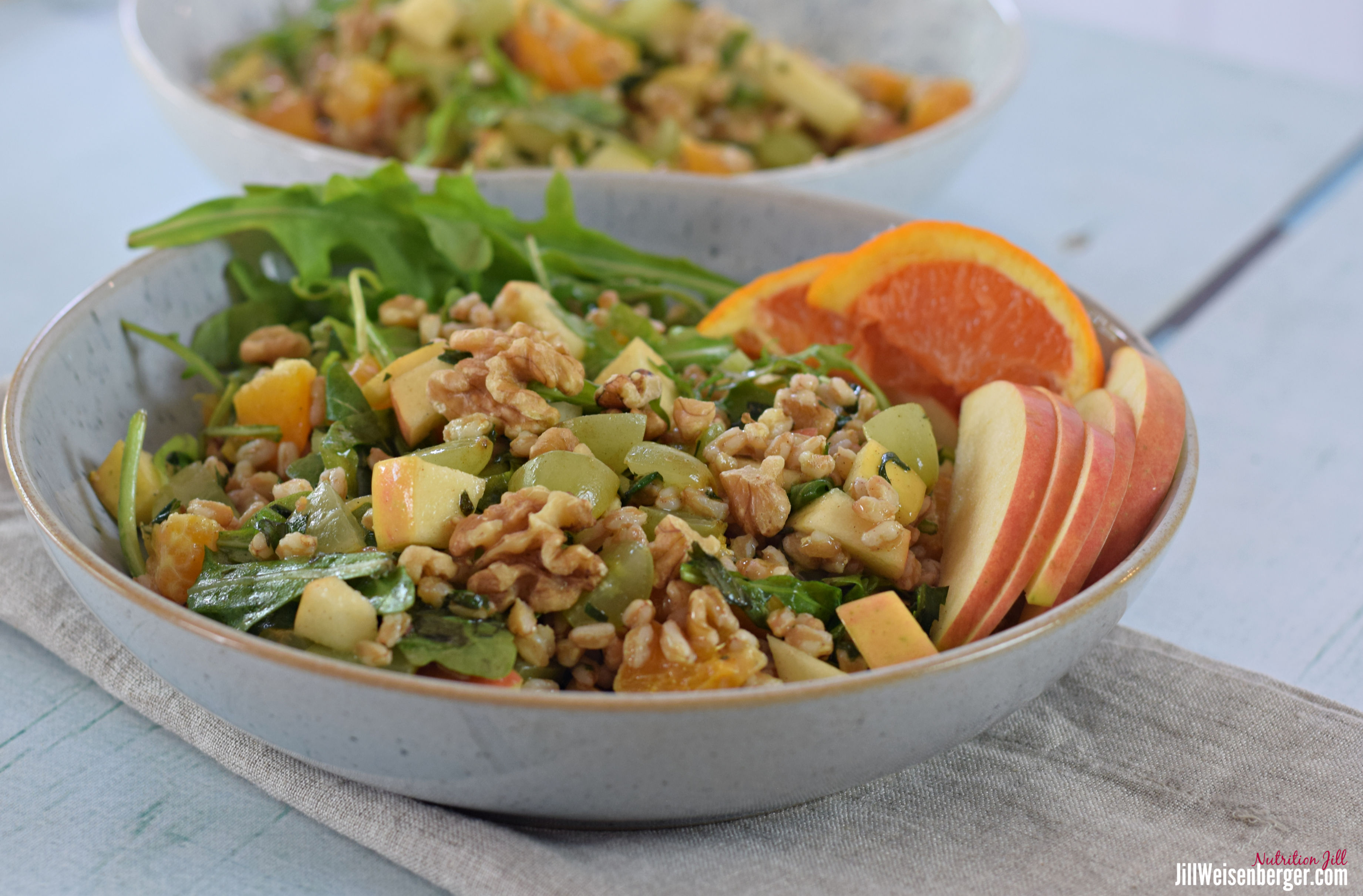
Whole grain farro, fruits, veggies, nuts and fresh mint for a phytonutrient win!
Phytochemicals in your diet: Some examples
Scientists have discovered thousands of phytochemicals in the foods we eat. Here is a sampling.
| Phytochemical Family | Source (not a complete list) | Fun Facts |
|---|---|---|
| CAROTENOIDS Such as • alpha carotene • beta carotene • lutein • lycopene • zeaxanthin | Red, orange, yellow and green fruits and vegetables: apricots, artichokes, Brussels sprouts, broccoli, cantaloupe, carrots, kale, lettuce, nectarines, oranges, papaya, peaches, pink grapefruit, pumpkin, red peppers, spinach, sweet potatoes, tomatoes and tomato products, watermelon, winter squash | Lutein and zeaxanthin appear to protect the eye from light damage and the brain from cognitive decline. Lycopene is studied for its possible roles in preventing heart disease and prostate cancer. It's more readily available from cooked tomato products than from raw tomatoes. |
| ISOTHIOCYANATES Such as • Benzylisothiocyanate • Sulforaphane | Cruciferous vegetables Including broccoli, Brussels sprouts, cabbage, cauliflower, horseradish, mustard greens, radishes, turnips, watercress | Studied for cancer prevention. |
| FLAVONOLS Such as • quercetin • kaempferol | Apples, onions, tea, green leafy vegetables | Appears to help lower blood pressure and block oxidation of LDL-cholesterol. |
| FLAVANOLS & PROANTHOCYANIDINS | Tea, grape juice, berries | Appears to help prevent stroke and heart disease. You'll get more of these compounds in freshly brewed tea versus bottled tea. Choose dark chocolate over milk chocolate. |
| ANTHOCYANIDINS Such as • cyanidin • delphinidin | Berries, cherries, grapes, red cabbage, plums | Associated with improved cognitive function during aging, better insulin sensitivity and reduced inflammation. |
10 ways to get more phytochemicals in your diet
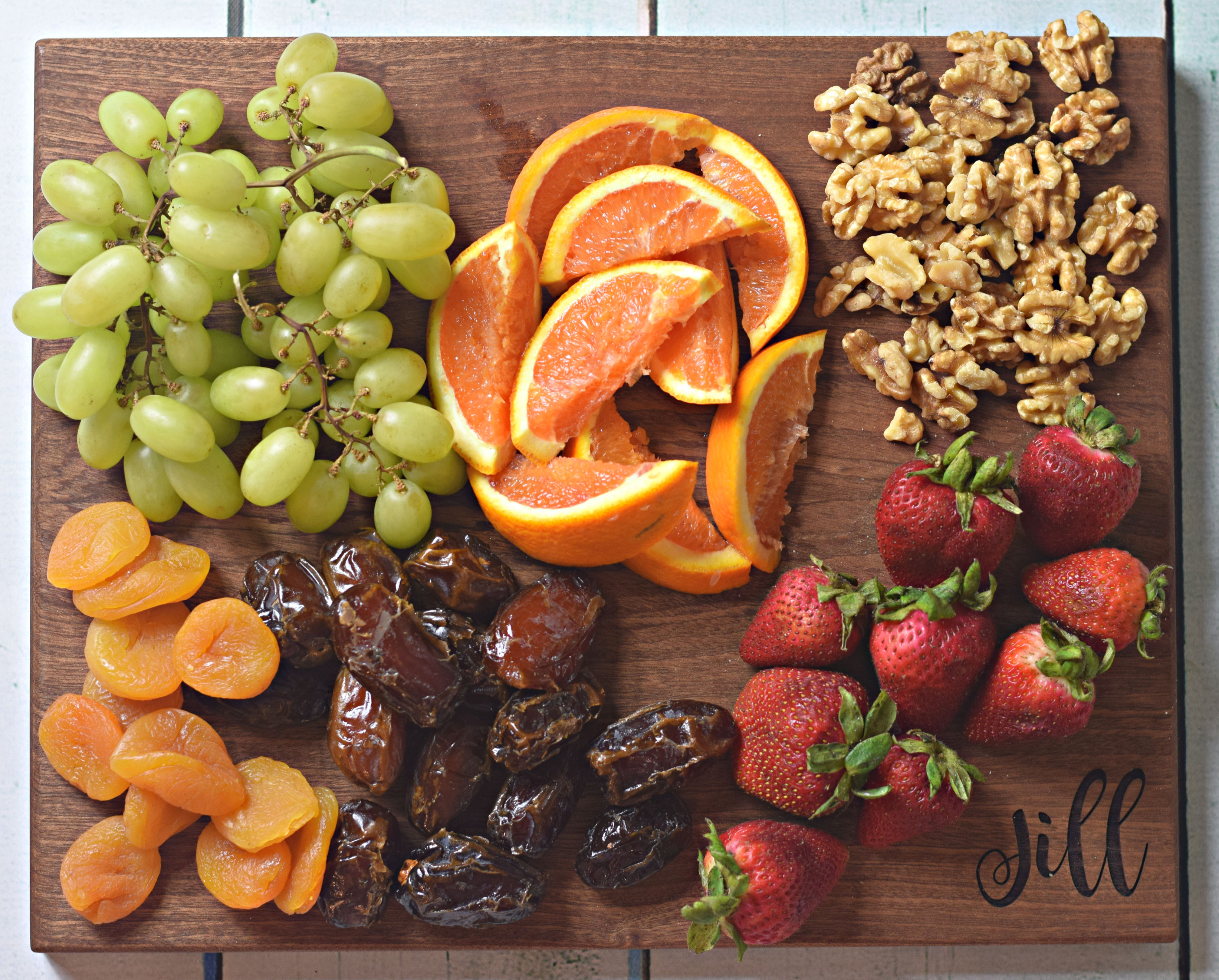
Every food on this tray is a terrific source of various phytochemicals.
- Plant-slant your diet. Fill your plates with more plant foods than animal foods. Check out this list of hunger-stomping, non-starchy vegetables.
- Eat fruits and/or vegetables with every meal and snack. Leave the skins on when possible.
- Eat vegetarian proteins at least a few times each week. Vary the types: lentils, black beans, chickpeas, tofu, edamame beans.
- Drink brewed tea. Skip the bottled teas.
- Season your food with fresh and dried herbs and spices.
- Sprinkle nuts and seeds on salads, oatmeal, yogurt and more.
- When buying cocoa powder, choose one that hasn’t been processed with alkali, also known as Dutch processing.
- Choose the darkest chocolate you enjoy. Chocolate labeled 80% dark chocolate likely has more flavanols than 72% dark chocolate.
- When using olive oil, pick a high quality, extra-virgin variety.
- Vary your intake of fruits, vegetables, nuts, pulses and other legumes, and whole grains because each food has a unique array of nutrients and phytonutrients.
Bonus way #11: Of course, you can always enjoy hummus and veggies for a snack. Or enjoy a small handful of roasted chickpeas. And yes, eat all types of fruits. Aim for two or more pieces today!
Filed Under: Nutrition, Science of Healthy
Tagged: Healthy Eating Tip, cancer prevention, carbohydrate, diabetes, fruit, heart healthy, legumes, prediabetes

Jill Weisenberger
I'm Jill, and I believe simple changes in your mindset and health habits can bring life-changing rewards. And I don't believe in willpower. It's waaaay overrated. As a food-loving registered dietitian nutritionist, certified diabetes care and education specialist and certified health and wellness coach, I've helped thousands of people solve their food and nutrition problems. If you're looking for a better way to master this whole healthy eating/healthy living thing or if you're trying to prevent or manage diabetes or heart problems, you'll find plenty of resources right here.
Leave a Reply
Welcome to my Blog
Hi there! I'm Jill, a nutrition & diabetes expert and the author of 4 books.

I believe simple changes in health habits can bring you life-changing rewards.
And I believe willpower is way overrated.
Right here is where you can discover the mindset and habits to stick with healthy lifestyle choices most of the time - and drop the guilt when you don't.
Get the Second Edition!

Featured Posts