

This surprising nutrient works its magic all through your body. Do you eat enough?
Inside: What do magnesium and blood sugar have to do with each other? What about magnesium and the heart? This impressive mineral has jobs throughout your body, so let’s make sure you get enough.
I actually laughed out loud at the grocery store as I watched my hand drop a purple bag of chia seeds into my basket next to the spinach, almonds, black beans, quinoa, and tempeh.
I’m not sure if you can tell much about a person by the contents of their grocery cart, but I’m pretty sure you can look at my supermarket haul and take a good stab at what I’ve been working on. This week, it’s magnesium. And as I review the roles of this run-of-the-mill mineral, I realize it’s not so humdrum after all. And I want more of it.
Thus, my favorite magnesium-containing foods fill my shopping cart (+ one I never cooked before).
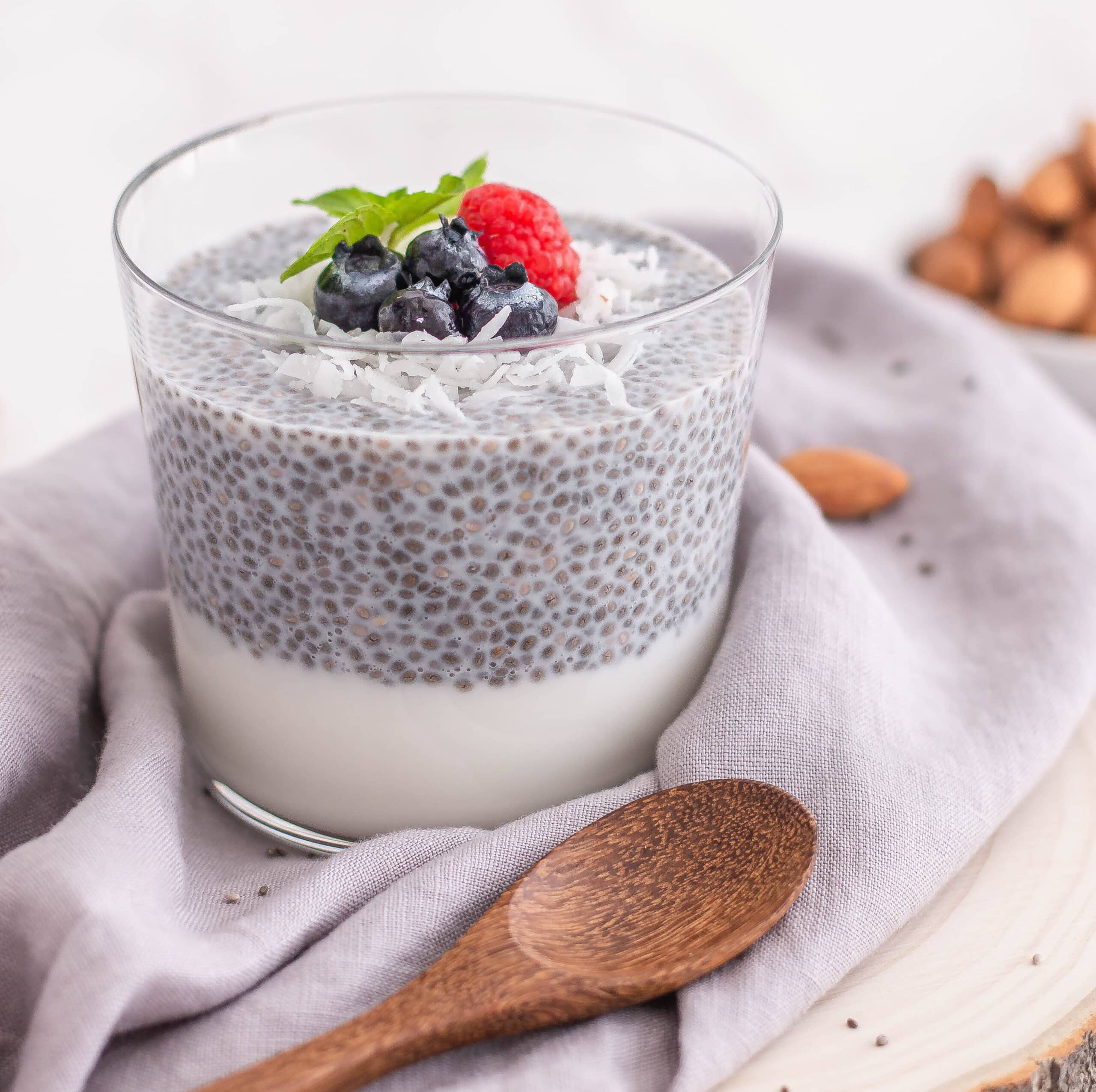
Photo credit: Maryam Sicard
You probably don’t eat enough magnesium
Most of us don’t, according to U.S. dietary surveys.
But that doesn’t mean you likely have a frank deficiency either, and you can thank your kidneys for that. They sense when your magnesium levels are low and prevent the mineral from dumping into your urine.
But chances are good that you don’t get enough magnesium for optimal health. Low levels of magnesium are associated with high blood pressure, heart problems, insulin resistance, and type 2 diabetes.
Here’s what magnesium does for you.
Magnesium and blood sugar
Magnesium is a busy mineral when it comes to carbohydrate metabolism. Among other things, it’s important in transporting sugar across cell membranes and for the pancreas to release insulin. It’s no surprise then that diets with higher amounts of magnesium are linked to a lower risk of type 2 diabetes, especially in people with overweight or obesity.
If you have prediabetes or are otherwise at high risk of developing type 2 diabetes, you’ll want to fill your shopping cart with magnesium-rich foods too.
And if you have diabetes …
It’s sensible to focus on dietary magnesium since the mineral plays critical roles in glucose metabolism and because diabetes can mean more magnesium ends up in the urine.
Studies looking at supplements are mixed, but some show better fasting blood sugar and A1C levels, especially in people who have low blood levels of magnesium. The American Diabetes Association, however, does not recommend routine magnesium supplementation for blood sugar control.
Magnesium and the heart
High blood pressure, inflammation, oxidative stress!
More reasons to seek out foods with magnesium!
Like the association between magnesium intake and reduced risk of type 2 diabetes, higher magnesium intakes are linked to less risk of death from heart disease, especially among people with overweight or obesity. Higher intakes of magnesium are also linked to lower risks of stroke and heart failure.
If you consume adequate magnesium, you’re less likely to develop high blood pressure. And if you have poorly controlled high blood pressure, boosting your intake can help you too.
And there’s more …
Lower intakes of magnesium can also increase both low levels of inflammation and oxidative stress. This is worrisome because these problems often precede heart disease, type 2 diabetes, and some types of cancer.

Doesn’t it feel so good to eat well and take care of yourself?
Photo credit: Jason Tran
Who’s most at risk for low magnesium status?
I am. I have Crohn’s disease, an inflammatory bowel disease that can decrease the absorption of several nutrients, including magnesium.
You’re at risk if you fall into any of these categories.
- chronic bowel disease like celiac disease, Crohn’s, chronic diarrhea, or ulcerative colitis
- type 2 diabetes
- chronically high alcohol intake
- older age
- some medications, including proton pump inhibitors taken for reflux, as well as certain diuretics and cancer treatments.
The story isn’t all bad if your intake or status is poor. Magnesium is in lots of foods.
How to boost your magnesium intake
Odds are if your magnesium intake is low, other key nutrients are hiding as well. By digging into a buffet of magnesium-packed foods, you’ll unveil a stash of essential nutrients. Try some of these.
Dark leafy greens
Especially spinach and Swiss chard.
Also include kale, as well as collard, mustard, beet, and turnip greens.
Easy ways to get more dark green leafy vegetables:
- Mix a handful of leafy greens into any salad. Iceberg lovers, chop spinach and kale into small pieces and toss them with larger iceberg leaves.
- Sauté Swiss chard, kale, or spinach with garlic and pepper, and top your favorite takeout or homemade pizza.
- Wilt leafy greens into pasta sauce, soups, and stews just before serving.
- Toss some in stir-fries and casseroles.

Photo credit: Leigh Skomal
Nuts and seeds
Especially almonds, cashews, and peanuts, as well as pumpkin, chia, and ground flax seeds.
Delicious ways to get more nuts and seeds:
- Instead of crackers, chips, or pretzels, grab a tiny handful of nuts.
- Sprinkle nuts and seeds over green salads, vegetables, brown rice, or whole-grain pilafs.
- Top yogurt, oatmeal, and cottage cheese with any favorite nut or seed.
- Treat yourself to chia pudding for dessert.
- Chop walnuts for chicken salad.
- Enjoy chocolate-covered almonds for dessert.
Discover more about nuts and health here.
Legumes
Especially black beans, edamame beans, tempeh, and tofu.
But don’t forget lentils, peas, and other beans.
Fast ways to get more legumes (pulses + soyfoods):
- Toss a spoonful of drained and rinsed canned beans over your green salad.
- Extend your ground meat with lentils.
- Cook tofu for dinner and enjoy leftovers for lunch. Try these tofu recipes.
- Start any meals with edamame beans. I always have a bag of frozen ones ready to boil or heat.
- Add canned beans to prepared soups.
- Fancy up a plain tuna salad with garbanzo beans and fresh herbs.
- Pick up a jar of three-bean salad.
Looking for more recipes? Here are 25 awesome bean and lentil recipes.
Whole grains
Especially whole wheat, brown rice, and quinoa.
Simple ways to get more whole grains:
- Stock your pantry with microwaveable whole-grain pilafs. Just 90 seconds to the table.
- Swap white bread for whole-wheat bread and white pasta for whole-wheat pasta.
- Enjoy oatmeal or shredded wheat for breakfast.
- Love on whole-grain salads like this one with barley or simply toss a bit of leftover quinoa or barley into a green salad or nourish bowl.
- Skip white rice in favor of brown rice or mix the two until your family has a preference for whole-grain rice.
Still more!
Lots more really, but here are a few of my favorites.
- vegetable juice – satisfies my hunger right before dinner; also a delicious base for soups and stews
- wheat germ – sprinkle it over casseroles, yogurt, and cottage cheese
- soymilk – for drinking or recipes
- salmon – so many ways to love it

Delicious honey mustard salmon
FAQ about magnesium
Here are some frequently asked questions.
How do I test my status?
A blood test seems like the obvious answer, but it’s not. Only about 1% of the body’s magnesium swims around in your blood. Most of the magnesium resides in your bones, muscles, and other soft tissues. Your blood levels tend to stay relatively stable even when your total body stores might be low.
All of this makes testing your magnesium status difficult. Researchers use a variety of measures that are not available to doctors or the general public. Thus, sadly, we don’t have a good way to measure your status.
Pro tip: If your blood levels are low, talk to your healthcare provider about foods and supplements. However, if your blood levels are normal, you may still have low magnesium status.
How much magnesium is too much?
You don’t have to worry about getting too much magnesium from food if you’re healthy. Your kidneys know how much to send out through your urine if your intake is high. However, magnesium from supplements and medications (like laxatives and antacids) can pose a problem.
In healthy people, too much magnesium can cause nausea, abdominal cramps, and diarrhea. If you have kidney troubles, your risks are more severe, with problems including muscle weakness, irregular heartbeat, and cardiac arrest.
The maximum recommended magnesium intake from supplements is 350 mg per day for adults. Again, magnesium from foods is unlikely to harm you.
What else does magnesium do in the body?
So many things.
Magnesium is a multi-tasking marvel, working tirelessly to keep your body in harmony. Besides its role in insulin sensitivity, blood sugar control, and heart health, magnesium takes a supporting role in a host of chemical reactions and processes, including these:
- protein synthesis
- muscle contraction and function
- nerve conduction and function
- blood pressure regulation
- bone structure
- DNA and RNA synthesis
- normal heart rhythm
And according to the National Sleep Foundation, higher levels of magnesium in the body are associated with longer sleep, better sleep, and less tiredness during the day.
No wonder my shopping cart is flush with a tasty magnesium treasure trove of chia seeds, spinach, and quinoa. When it comes to the human body, magnesium is an unsung hero!
What happens in a frank magnesium deficiency?
As I mentioned earlier, while lots of people eat too little magnesium for optimal health, relatively few healthy people suffer a true deficiency. Take a look at who’s at most risk above. Some health problems, alcohol abuse, or taking certain medications can lead to a magnesium deficiency. Symptoms include nausea, vomiting, loss of appetite, weakness, numbness, tingling, muscle cramps, and abnormal heart rhythm.
Next steps
Aren’t you glad there are so many tasty ways to get more magnesium?
Spinach, peanuts, or chia seeds anyone? Pick any three or four easy swaps or tweaks to get more magnesium for your blood sugar, your heart health, and so much more.
Here’s my confession. I bought the tempeh, but I still haven’t cooked it. I’ve never cooked tempeh, but all that I know about magnesium compelled me to put it in my shopping cart anyway. Fingers crossed I figure out what to do with it.
Filed Under: Diabetes, Heart Health, Prediabetes
Tagged: blood sugar, heart healthy, high blood pressure, insulin resistance, nuts, oats, whole grains

Jill Weisenberger
I'm Jill, and I believe simple changes in your mindset and health habits can bring life-changing rewards. And I don't believe in willpower. It's waaaay overrated. As a food-loving registered dietitian nutritionist, certified diabetes care and education specialist and certified health and wellness coach, I've helped thousands of people solve their food and nutrition problems. If you're looking for a better way to master this whole healthy eating/healthy living thing or if you're trying to prevent or manage diabetes or heart problems, you'll find plenty of resources right here.
Leave a Reply
2 Comments
Leave a Comment
Welcome to my Blog
Hi there! I'm Jill, a nutrition & diabetes expert and the author of 4 books.

I believe simple changes in health habits can bring you life-changing rewards.
And I believe willpower is way overrated.
Right here is where you can discover the mindset and habits to stick with healthy lifestyle choices most of the time - and drop the guilt when you don't.
Get the Second Edition!

Featured Posts






Great article Jill! So much good info.