

4 simple ways to eat more fish and actually like it
Here’s how to eat more fish for a healthy heart and brain without spending a fortune, cooking for hours, or listening to family members say yuk!
Are you among the tiny fraction of Americans who eat the recommended 2 or more servings of seafood weekly?
If not, why not?
To eat more fish or other seafood, you do not have to spend a fortune, plan for hours in the kitchen, or choke down something you dislike. But you may have to be more creative, open your mind, and experiment with new flavors and techniques.
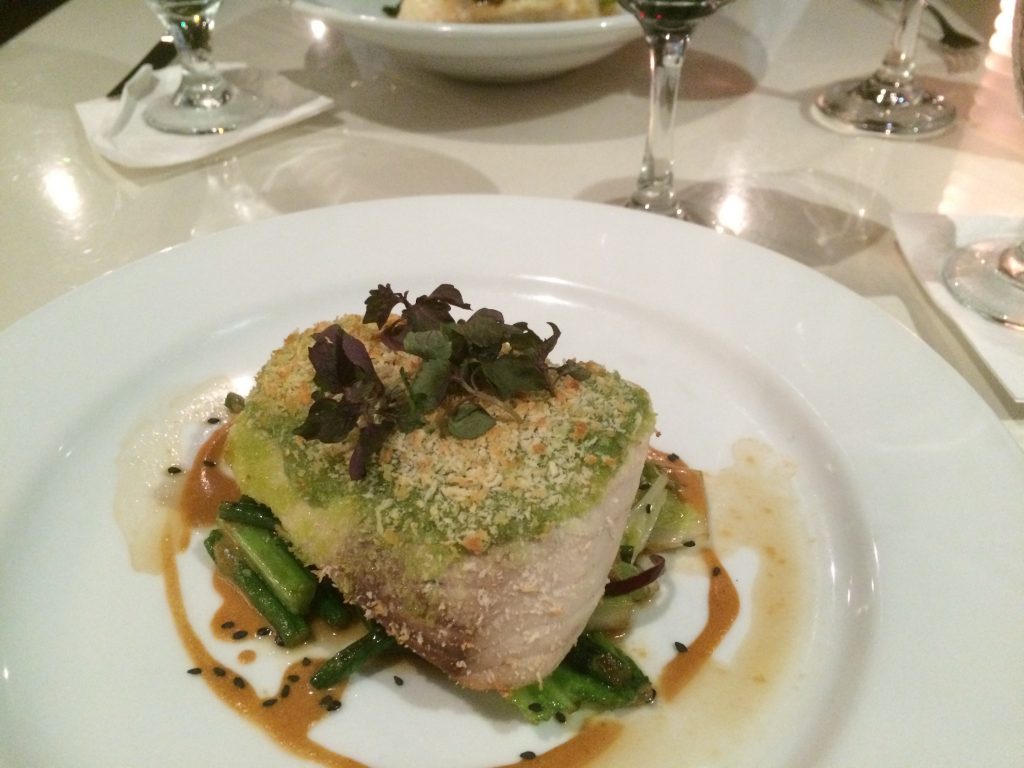
Delicious Ginger Pesto Crusted Monchong I ate in Hawaii
Why you should eat more fish
When you do, you can be confident you’re taking care of your heart, your brain, and your entire body.
The American Heart Association recommends eating fish at least twice weekly to prevent heart disease. And researchers discovered fish eaters have less cognitive decline and healthier brains than those who don’t eat fish. For example, one study found that older adults who ate fish 4 or more times weekly had memory scores equivalent to being 4 years younger compared to older adults who rarely ate fish.
I want a young brain!
Heart-healthy fish list
Fish and other seafood are good for your heart (and the rest of you) because of their full nutrient profile. But the specific components known to improve the health of the heart, aging brain, and developing brain are two omega-3 fatty acids: EPA (eicosapentaenoic acid) and DHA (docosahexaenoic acid ).
Fish and seafood have varying amounts of these unique fats. By eating a variety of seafood, you’ll treat your body to a wider array of nutrients and tend to greater seafood sustainability. When you’re open to more options, you can enjoy more species that are seasonal or abundant instead of relying on over-fished choices.
While experimenting with all types of fish and knowing there are advantages and disadvantages to every food choice, you can put these options on your heart-healthy fish list because they tend to have more EPA and DHA than most other varieties.
- anchovies
- herring
- mackerel
- black cod
- salmon
- sardines
- bluefin tuna
- whitefish
- striped bass
- cobia
Some types of fish contain mercury and other contaminants. Learn more about fish safety here.
How to eat more fish
1: Be creative with reliable canned and frozen fish
Reliable, affordable, convenient.
If you have a can or two of tuna, salmon, sardines, or other types of fish in your pantry, you have a quick, healthful meal in the making. Round out your meal with a salad, some fresh fruit, and whole grain crackers.
Use a can creatively: I’ll mix a can of tuna with whatever yummy things I have handy: marinated artichoke hearts, red onion, avocado, bell peppers, crumbled feta cheese – you name it!
Canned salmon is delicious mixed with leftover broccoli and canned chickpeas and dressed with olive oil and rice vinegar.
Frozen shrimp or fish fillets have saved many a dinner in my house. No matter what time I get home, it’s never too late for a heart-healthy dinner. After greeting Benny (my favorite 4-legged best friend) and giving him dinner, I thaw the fish fillets in a pot of cold water or run cold water over frozen shrimp in a colander. After changing into comfy clothes, my fish or shrimp is defrosted, and I’m ready to cook.
2: Experiment with favorite flavors
If you or the people you cook for are intimidated by fish, start with your favorite flavor combinations. For example, if you enjoy Asian flavors, you’ll probably like this Asian Barramundi.
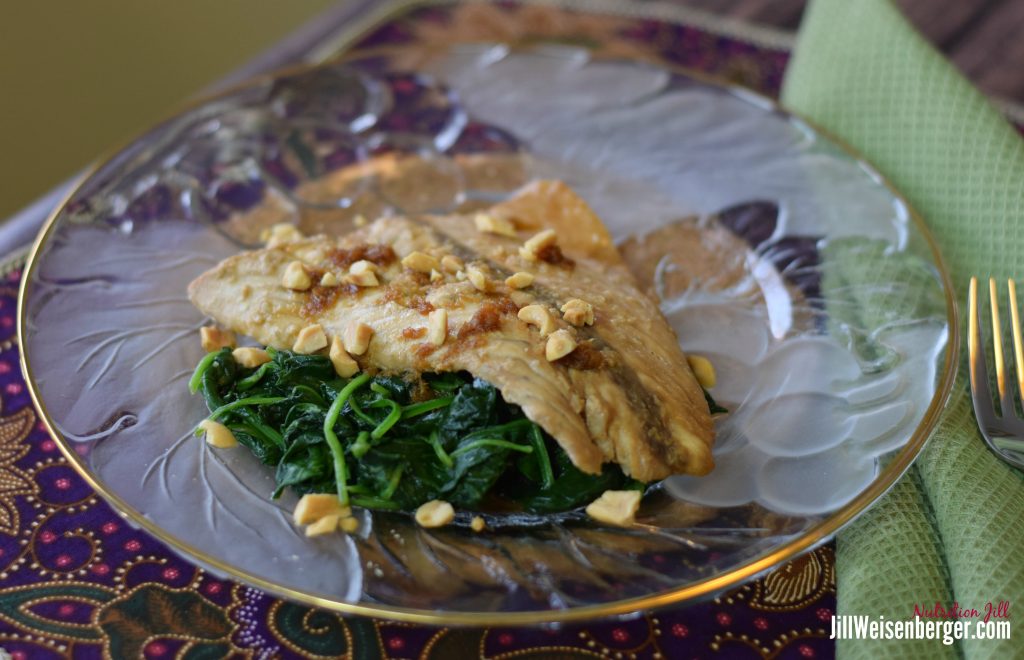
Asian-style Barramundi
Does your family love taco night? Wow them with fish tacos. Sprinkle lime juice and appropriate seasonings over the fish and bake. Serve with black beans, tortillas, salsa, and the other usual fixings.
Add crab to avocado toast or clams to spaghetti sauce. Brush salmon with your favorite BBQ sauce before baking or grilling.
Ease your family in to the idea of eating fish by starting with mild and neutral species like cod, shrimp, haddock, or flounder. Work up to Atlantic mackerel, tuna steaks, and salmon.
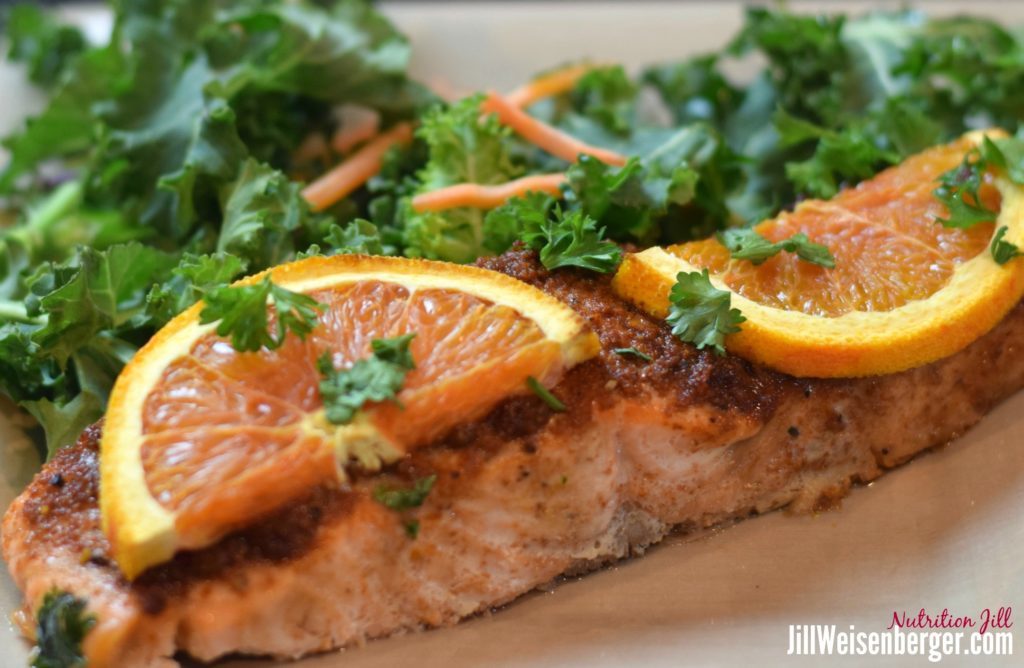
Easy baked salmon. Deliciously sweet AND spicy!
3: Think beyond dinner
Put a seafood spin on breakfast. Try a seafood frittata, crab and egg muffins, and a smoked salmon or lobster omelet.
Re-think snacks. Pick up sushi or enjoy tuna-filled deviled eggs, fish nachos made with white fish, or a crab quesadilla.
4: Collect a few go-to recipes to eat more fish
Ask friends for a few of their favorites. Try some of mine. Browse through the online recipe collections of Cooking Light and EatingWell.
Collect at least 5 recipes you’re interested in and willing to try. Commit to trying one heart-healthy fish recipe within the next week.
Cheers to delicious, heart-healthy eating!
Filed Under: Healthy Brain, Heart Health, Meal Planning, Quick meal idea
Tagged: brain health, fish, heart healthy

Jill Weisenberger
I'm Jill, and I believe simple changes in your mindset and health habits can bring life-changing rewards. And I don't believe in willpower. It's waaaay overrated. As a food-loving registered dietitian nutritionist, certified diabetes care and education specialist and certified health and wellness coach, I've helped thousands of people solve their food and nutrition problems. If you're looking for a better way to master this whole healthy eating/healthy living thing or if you're trying to prevent or manage diabetes or heart problems, you'll find plenty of resources right here.
Leave a Reply
11 Comments
Leave a Comment
Welcome to my Blog
Hi there! I'm Jill, a nutrition & diabetes expert and the author of 4 books.

I believe simple changes in health habits can bring you life-changing rewards.
And I believe willpower is way overrated.
Right here is where you can discover the mindset and habits to stick with healthy lifestyle choices most of the time - and drop the guilt when you don't.
Get the Second Edition!

Featured Posts




Always looking for ways to increase fish intake…great tips!
Thank you Kim! So many great types of fish to love!
I love your idea to put some individual fish fillets in the freezer that can be defrosted and eaten in a short amount of time. My family is trying to eat more fish this year because it’s so good for our bodies. We need to find a local restaurant in the area that serves delicious fish dishes as well.
Yes, isn’t it such a great time-saver! There are lots of restaurants who do a great job with seafood. I’m sure you’ll find some nice spots.
Hi Jill – so happy I have found you!! I’m 67 and healthy eating is always a great thing – my question is I love TILAPIA but lately I’ve heard some good and bad info on this fish – help! God’s Blessings
Welcome! I’m happy you’re here. Tilapia is a lean fish with lots of protein, important minerals, and some vitamins. It seems to have a bad reputation because of the way some of it has been farmed. I looked at the Monterey Bay Aquarium Seafood Watch site and found that they classify tilapia quality by where it’s produced. Take a look. You’ll see that they recommend tilapia from Canada, the US, Ecuador and Peru.There’s too much food fear out there. I hope you’ll enjoy properly-raised tilapia.
Jill, the amount of cholesterol in saltwater fish deters me from eating. Your thoughts please.
Hi Gary, most seafood is not especially high in cholesterol. Shrimp and squid are pretty high, but I’m not aware of any others. For most people, the greatest contributor to blood cholesterol levels comes from saturated fats in the diet – not cholesterol in the diet. Seafood has saturated fat – like anything that has fat – but it’s not exceptionally high. What seafood does have that you can’t get readily elsewhere are omega-3 fatty acids, which are critical for your heart health. This post about cholesterol might be helpful.
I’m on a low or no sodium diet. Which fish is the best for me and what kind of seasoning other than honey because my husband is allergic to it.
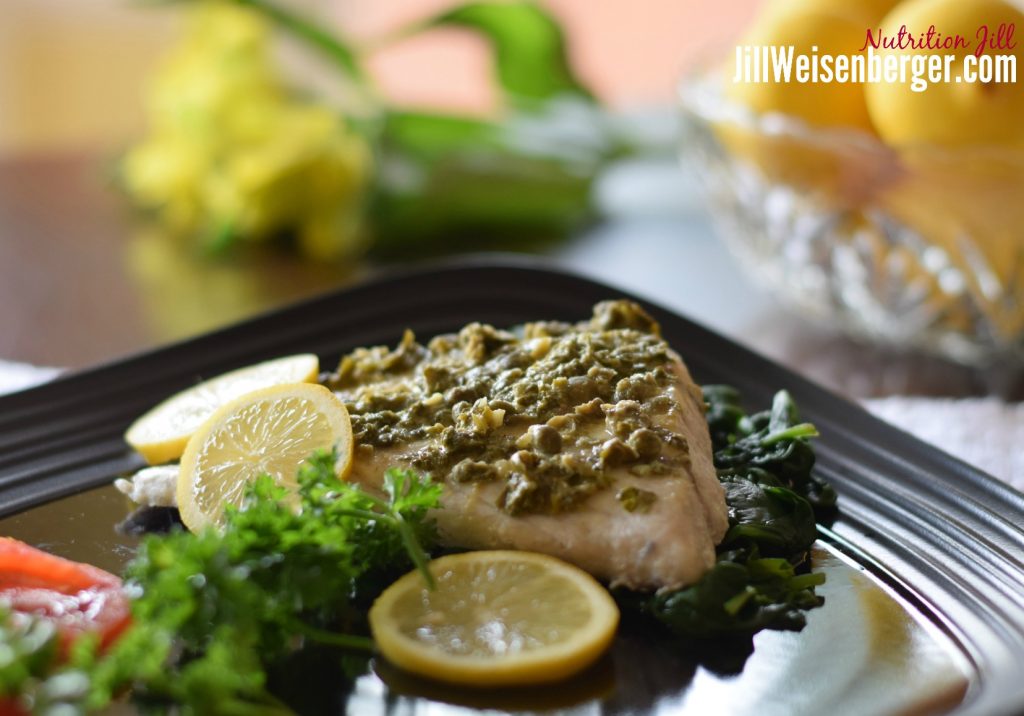
If you don’t use salt or other sodium-containing seasoning, your fish – any type – will be low in sodium. I like lemon and basil sauce for something really simple.
Your approach to breaking down the barriers that often deter people from enjoying seafood is both inspiring and approachable.
I particularly appreciate the focus on the health benefits of consuming fish, specifically the cognitive and cardiovascular advantages. This emphasis on the nutritional value adds a layer of motivation to explore and enjoy seafood. The list of heart-healthy fish varieties is a handy reference that I’ll definitely use for my grocery shopping.
Your suggestions for using canned and frozen fish are a game-changer. The idea of keeping a stock of convenient, affordable seafood options opens up a world of quick and healthy meal possibilities that I hadn’t fully considered before. The examples of easy-to-prepare dishes using these resources are very motivating.
Experimenting with familiar flavors to make fish more appealing is an excellent tip. It’s a great way to gradually introduce fish to those who might be hesitant. The concept of incorporating fish into meals beyond dinner, especially for breakfast and snacks, is innovative and something I hadn’t considered.
Finally, the encouragement to collect and try new recipes is a gentle push to be adventurous in our cooking. Your suggestion to start with at least five recipes and the commitment to try one within the next week is a practical goal that I’m excited to take on.
Thank you for this wonderfully informative and inspiring post. It’s not just about eating more fish but enjoying the journey of discovering the diverse and delicious world of seafood. Cheers to healthier and tastier eating habits!