

2 BIG reasons to curb food waste: your wallet and our planet
When you curb food waste, you keep more money in your pocket and treat the earth just a little bit better.
I was horrified a few years ago when I realized how much food I tossed into the trash. And weirdly, I was a bit smug and paid no attention to the vast amount of wilting greens that filled my trash bag.
The nutrition snob in me said, “Go ahead, dump it. Buying more fruits and veggies than you can eat is better than not having ample around.” 😬
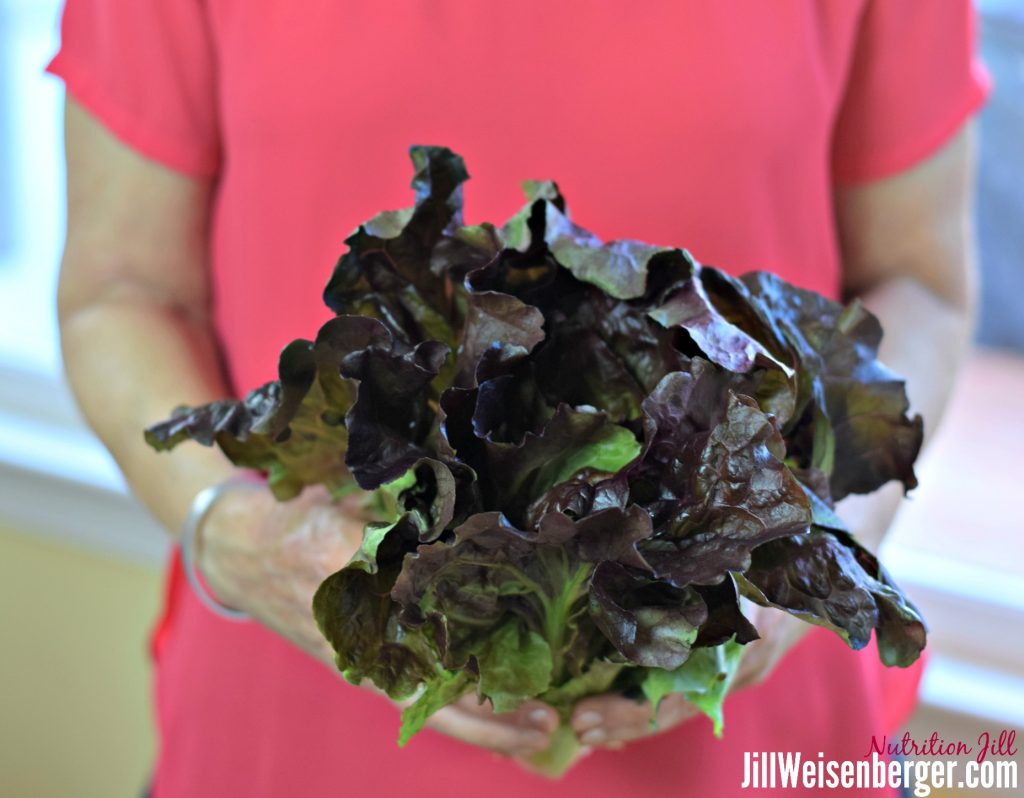
But then I heard speakers at conference after conference talking about the downsides of my ugly habit of buying too much arugula, zucchini, and kiwis. Food waste is expensive! The average U.S. family of four could save $1,500 each year! And food waste in landfills contributes a whopping 58% of the methane gas sent into the atmosphere, contributing to global climate change.
The food waste problem
Nearly 50% of household food ends up in landfills, totaling about 200 pounds per family each year. The trashed food includes inedible parts like chicken bones and peach pits; the packaged food that looked good in the supermarket but ended up tasting not so great; the overbought fresh foods like bananas, milk, and the bread that grew mold; and whatever pizza or rotisserie chicken was left over.
That’s a lot of unnecessary waste. And it has some big consequences.
When food goes uneaten, it’s not just the food that’s wasted—it’s also the natural resources, labor, and money used to grow, harvest, and transport it. According to the Food and Agriculture Organization (FAO), uneaten food generates 3.3 billion tons of greenhouse gases annually, making food waste the third largest emitter of these gases globally, after China and the U.S.
But reducing food waste isn’t just about the environment—it’s also a powerful way to stretch your grocery budget. Who doesn’t want to save more than $100 a month on grocery bills?
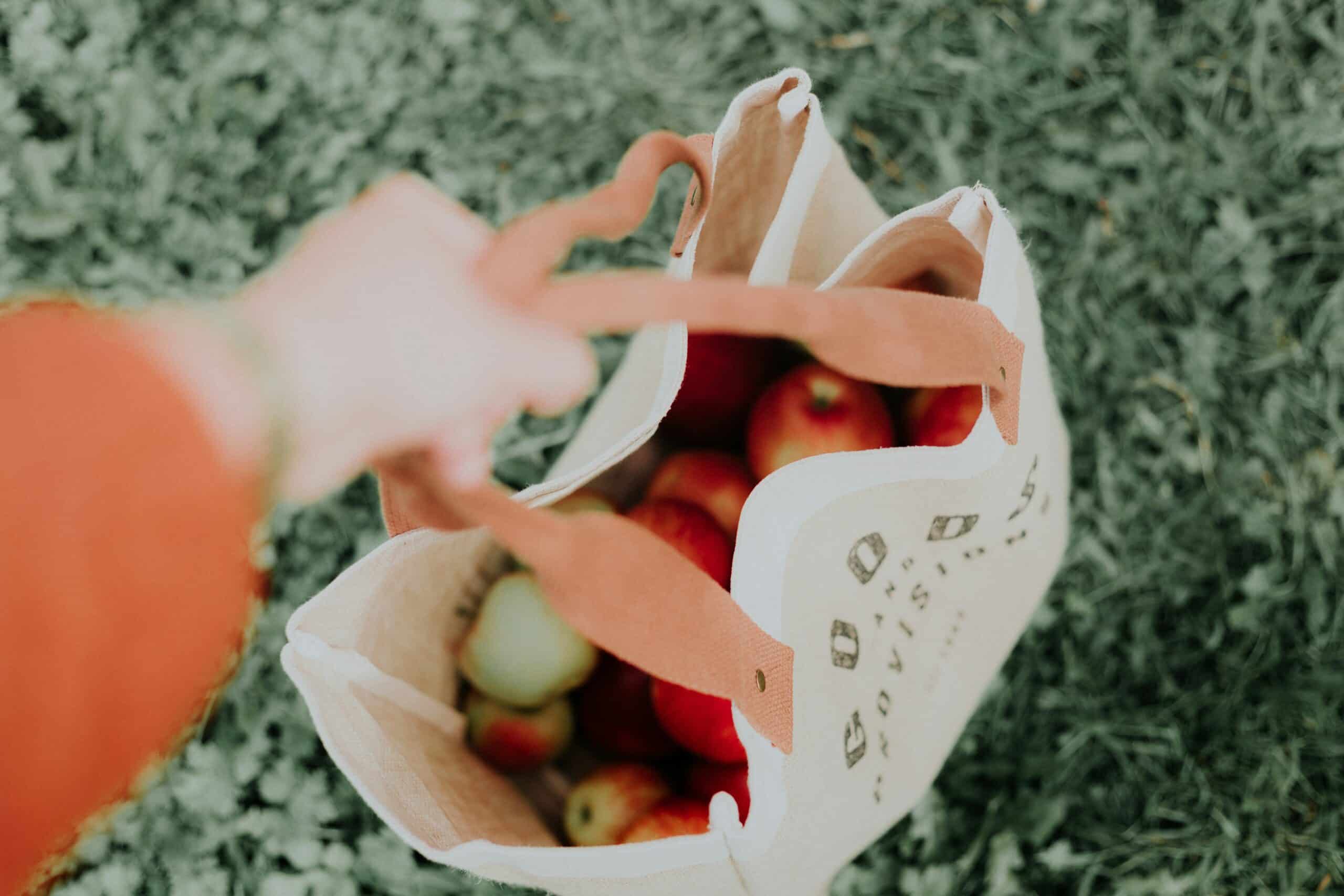
Photo credit: Priscilla Du Preez
Simple ways we can stop wasting food
With the way grocery prices have been lately, I feel bad even when an egg slips from my fingers and crashes into the sink. And I’m practically devastated when a half-pint of fresh raspberries goes from luscious to soggy in my fridge.
Try some of these 10 practical tips for managing food waste.
#1 Buy less
That probably sounds too obvious to be useful, but it actually takes some thought and effort. Instead of grabbing the full bag of grapes or cherries, fill a produce bag with the exact amount you want. And if the package of chicken thighs is too large, ask the supermarket’s butcher to make a smaller pack for you. Not every grocery store will do this, but many will.
#2 Use the whole Shabang
Can you use everything from root to stem? How much of the chicken can you find use for? By eating as much of the food as possible, you’ll automatically waste less. For example, shred broccoli stalks for a salad or stir-fry, and use the leaves in soup.
#3 Plan ahead
Menu planning saves time, money, and food. Create meals around what’s on sale or what you already have. Be realistic about how much food your family will eat. Build in flexibility to take advantage of great supermarket or farm stand finds.
And don’t forget to stick to your shopping list too. Impulse buys often lead to waste.
Pro tip: If you want something that’s not on your list, put it in the small section of your grocery cart – the spot for toddlers and preschoolers. Then look through that section right before you enter the checkout line. You still have time to put it back.
#4 Say YES to frozen and canned foods
They last longer and they’re very convenient. I always have canned beans, tomatoes, and tuna on hand. And my freezer is packed with frozen veggies. A study from Cornell University found that fresh fruit is wasted 10 times more than frozen fruit and that fresh vegetables are trashed 4 times more than frozen veggies.
Check out these healthy convenience foods.
#5 Keep tabs on your fridge
At least once weekly, go through your refrigerator to see what needs to be eaten.
- Toss veggies and cooked grains into soup.
- Package leftovers for freezing. You’ll get better quality from your freezer when you store food in small portions. If no one ate your homemade lasagna because they were late getting home, cut and wrap it into individual servings before freezing. A whole lasagna is too big and won’t have the best texture.
- Have a “must-go” night: Enjoy an easy meal when no one has to cook. Simply reheat everything that must go before it spoils.

This Curried Chicken and Chickpea Stew is perfect for the freezer.
#6 Cook your fruit
What do you do after you bite into a disappointing apple or peach? Don’t throw it out. Instead, bake, grill, or broil it. Cooking intensifies fruit’s sweetness.

Delicious grilled peaches
#7 Say NO to overeating
Eating more than your body needs for nourishment is a form of food waste.
#8 Keep fresh and cooked foods cool
Unload and store your groceries as soon as you’re home from the market. And package leftovers right after eating. By keeping your food cold, you’ll help it last longer. Keep your refrigerator at or below 40 °F and your freezer at 0°F.
#9 Understand product dates
- Best by dates refer to peak quality, not safety.
- Use by dates indicate the last date for quality. One exception is the use-by date on infant formula. Don’t keep formula beyond its use-by date.
- Sell-by dates help retailers manage their inventory. It’s not a safety date.
Generally, use your senses to judge whether food is still good to eat. (Or do like I do and ask your spouse to sniff and taste it for you.)
#10 Organize your food storage for easy use
- Gather your sandwich-making supplies in an open basket in your refrigerator. When it’s time to pack lunch, it will be easier to grab the kit out of the fridge and quickly put together a sandwich. You’ll save time, and you’ll be more likely to use all that you buy.
- Follow FIFO (First In First Out): When you put your groceries away, store them in a way that you’ll use the oldest items first. You’ll have much less spoilage this way.
- Date perishable items. As soon as you open a carton of chicken broth or a jar of pasta sauce, write the date on it with a thick, bold marker.
Cheers to wasting less and saving more!
Filed Under: Meal Planning, Nutrition, Success strategies
Tagged: budget, climate change, food waste, grocery shopping, sustainability

Jill Weisenberger
I'm Jill, and I believe simple changes in your mindset and health habits can bring life-changing rewards. And I don't believe in willpower. It's waaaay overrated. As a food-loving registered dietitian nutritionist, certified diabetes care and education specialist and certified health and wellness coach, I've helped thousands of people solve their food and nutrition problems. If you're looking for a better way to master this whole healthy eating/healthy living thing or if you're trying to prevent or manage diabetes or heart problems, you'll find plenty of resources right here.
Leave a Reply
6 Comments
Leave a Comment
Welcome to my Blog
Hi there! I'm Jill, a nutrition & diabetes expert and the author of 4 books.

I believe simple changes in health habits can bring you life-changing rewards.
And I believe willpower is way overrated.
Right here is where you can discover the mindset and habits to stick with healthy lifestyle choices most of the time - and drop the guilt when you don't.
Get the Second Edition!

Featured Posts






For baking cakes & cupcakes I use “flax” eggs. They work just fine and are very inexpensive.
Great idea, thanks!
What are Flax Eggs?
I haven’t tried them, but lots of people replace eggs in baking with a mixture of ground flaxseed and water. I understand it’s a great vegan substitute.
Great info. Thanks for clarifying product dates. My wife already asks me to be the smell/taste tester so understanding product dates will in the future help me prepare my nose!
Thank you Jill! Really helpful insights!