
Chickpea pasta, tofu & lentils: all you need to know about protein from plants
You know to eat more protein from plants, but do you know the best sources? And are you tricked by foods that aren’t good sources at all? Your questions about protein from plants are finally answered – simply and accurately.
When you think of food with protein, do you first think of beef, chicken, or dairy? Lots of people do, though most of our plant foods also give us protein.
And when you think of protein from plants, do you think of beans, lentils, and tofu?
These are all great sources of plant protein. But we get protein – in small or large amounts – from most foods, including carrots, pistachios, and even rice.
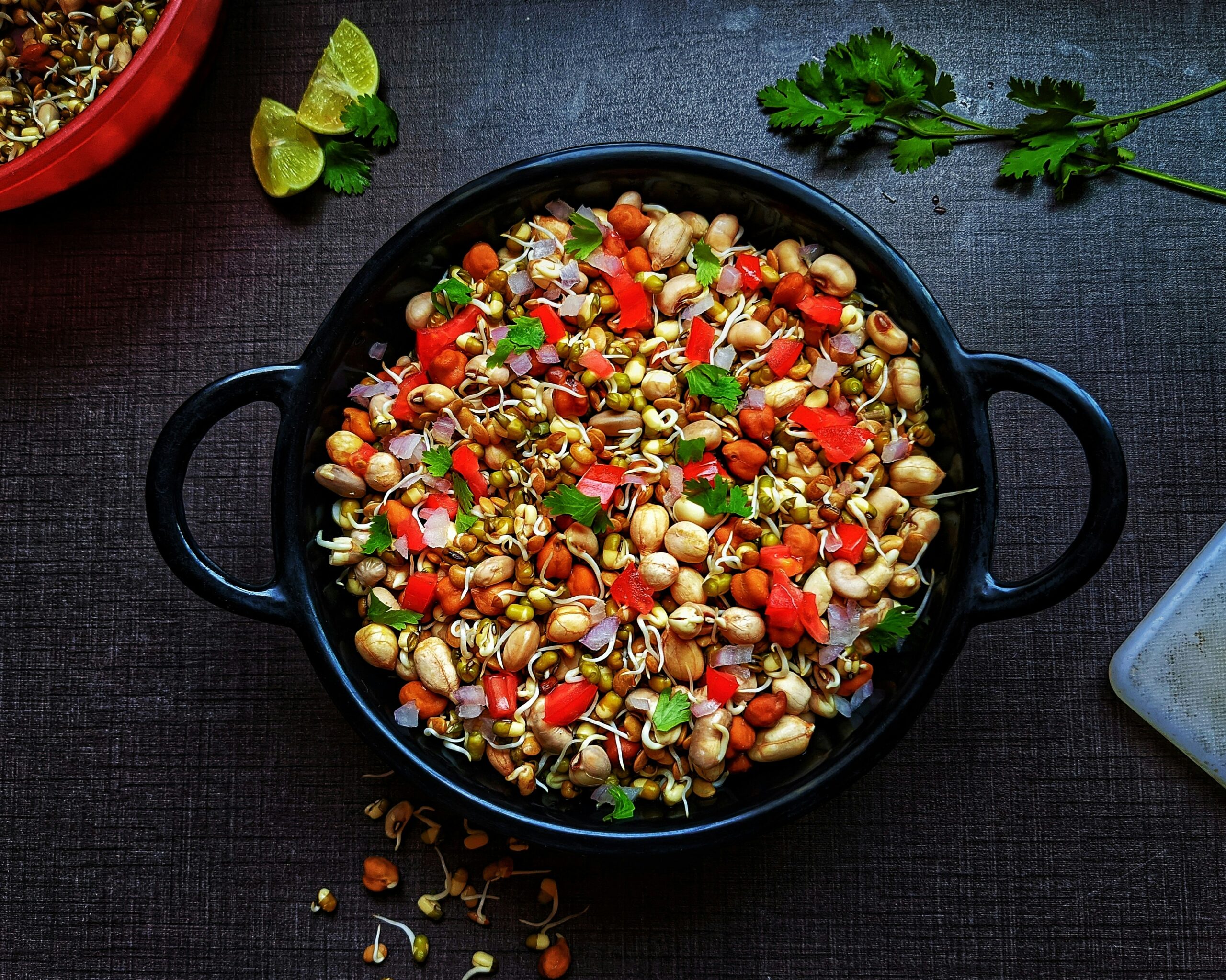
And because protein is in so many foods, you can meet your protein needs entirely from plants. But, of course, you don’t have to. A healthy, plant-focused diet can contain all foods, including meats, fish, and yogurt.
Here’s more discussion about what belongs on your plant-based foods list.
Why you should eat more protein from plants
Whether from steak or soy, the basic building blocks of protein are the same – amino acids.
But diets rich in protein from plants serve up more than just amino acids. You get a treasure trove of disease-fighting nutrients with every bean, lentil, and nut you eat. The abundance of these compounds, such as various fibers, polyphenols, and phytosterols, protects you from heart disease, type 2 diabetes, and some types of cancer.
And when you swap animal proteins in favor of protein from plants, you’ll also trim your intake of blood vessel-clogging saturated fats. Thus, getting more protein from plants is a win-win.
Where to find protein from plants
Except for oils, you’ll find protein in nearly every plant-based food. Fruits contain just a dot of protein, but non-starchy vegetables like broccoli and tomatoes serve up about 4 grams per cooked cup, and a cup of raw carrots, celery, and cauliflower provides about 2 grams.
They all count, so you’ll meet your needs by eating a variety of foods in reasonable amounts. However, you’ll get the greatest amount of plant protein from a few food categories, namely legumes, nuts and seeds, and some whole grains. Consider the following.
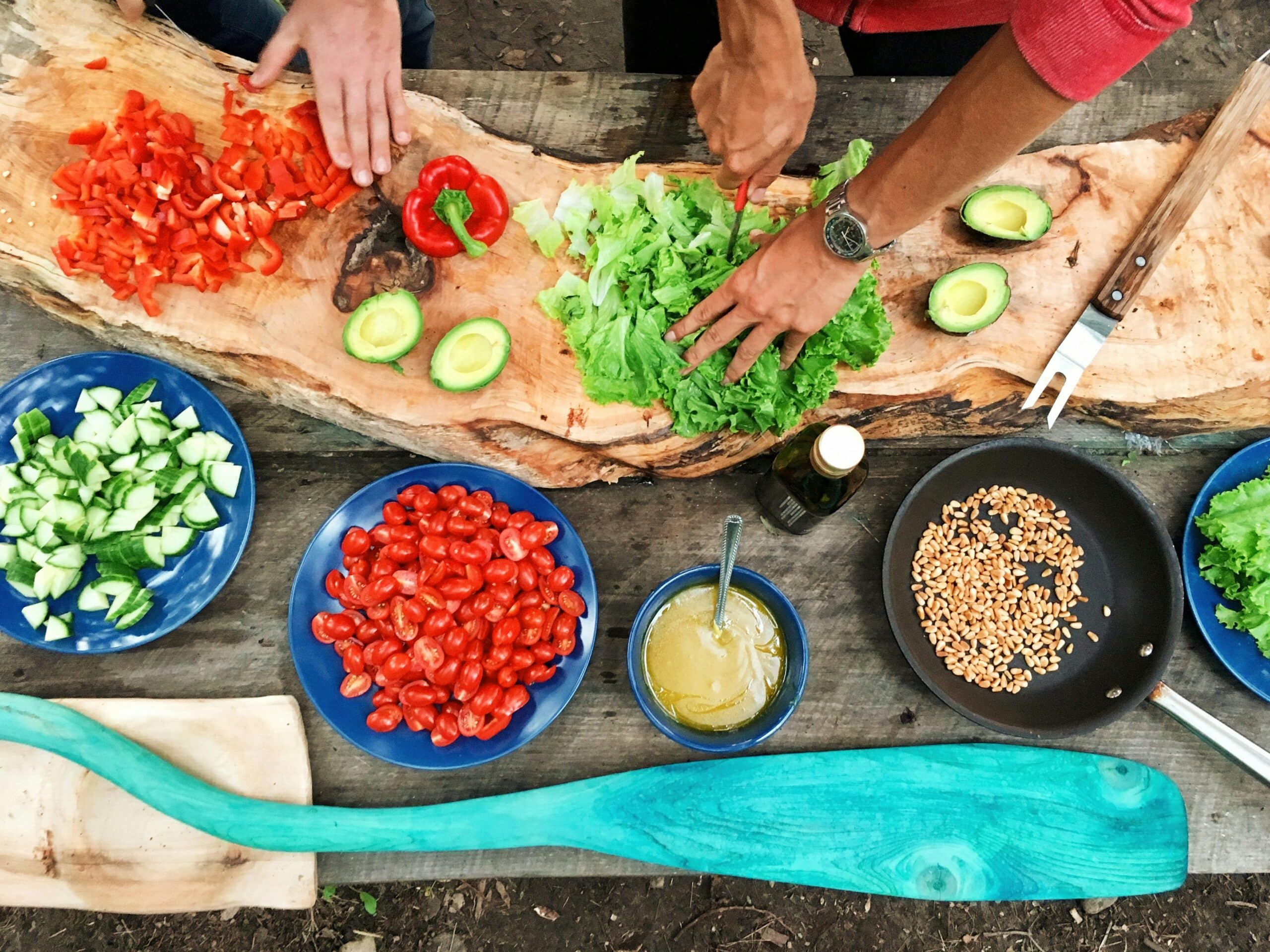
Photo credit: Maarten van den Heuvel
Try these plant proteins
If you eat a piece of meat the size of a deck of cards or the palm of your hand – a common recommendation – your serving has about 20 – 25 grams of protein. When you add the smaller contributions from grains, nuts, and vegetables at the same meal, you consume about 25 – 30 grams of protein. And that’s ideal.
Getting that ideal amount of protein from plants alone is trickier and requires you to know the richest sources of plant protein. Some, like nuts, may not have as much protein as you think.
Pulses
Pulses are the edible seeds of legumes and include peas, beans, and lentils. They’re protein powerhouses with as much as 9 grams per 1/2 cup cooked. The chart below gives you more details about a variety of pulses.
| Pulse (1/2 cup cooked) | Calories | Carbohydrate (g) | Fiber (g) | Protein (g) | Notes |
|---|---|---|---|---|---|
| Black beans | 114 | 20 | 7.5 | 8 | Earthy flavor. Enjoy these in Cuban black beans and rice, chili, salads and pureed into black bean brownies. |
| Black-eyed peas | 80 | 17 | 4 | 3 | Try these in salads with rice and diced vegetables. |
| Cannellini beans | 124 | 22 | 6 | 9 | Mix these large white kidney beans with kale and other cooked greens, add them to soups and enjoy with Italian flavors. |
| Garbanzo beans | 134 | 22 | 6 | 7 | Also called chickpeas, these are common in Middle Eastern, Mediterranean and Indian cooking. Puree them to make hummus, roast them for a snack or toss with vegetables and an olive oil and lemon juice dressing for a delicious salad. |
| Great Northern beans | 104 | 19 | 6 | 7 | Mild and delicate white beans common in French cassoulet and are delicious in white chicken chili. |
| Kidney beans | 112 | 20 | 6.5 | 8 | Common in chili, salads and mixed with rice. |
| Lentils | 115 | 20 | 8 | 9 | Very small and cook quickly, especially split (red and yellow) lentils. Do not need to be soaked before cooking. Split lentils are very soft and are best in soups and stews. Whole lentils hold their shape well and are good for salads and vegetarian pasta sauce. |
| Lima beans | 105 | 20 | 5 | 6 | Also called butter beans, limas are delicious in soups, salads, stews and succotash. |
| Split peas | 116 | 21 | 8 | 8 | Commonly used in soup. |
How much to eat: The Dietary Guidelines for Americans recommends at least 1 1/2 cups per week, but research supports higher intakes for optimal health. Researchers find that a little over 1/2 cup daily ( or 4.25 cups weekly) is best for managing your blood sugar and heart health.
Nutrients to celebrate:
- Resistant starch and other fibers
- iron
- calcium
- potassium and magnesium, which are critical to healthy blood pressure
Try this:
- Eat a 1/2 cup serving of pulses daily instead of other carbohydrate-containing foods such as bread, rice, or pasta for blood sugar management.
- Add a big spoonful of canned beans to green salads and enjoy white beans mixed into tuna salad.
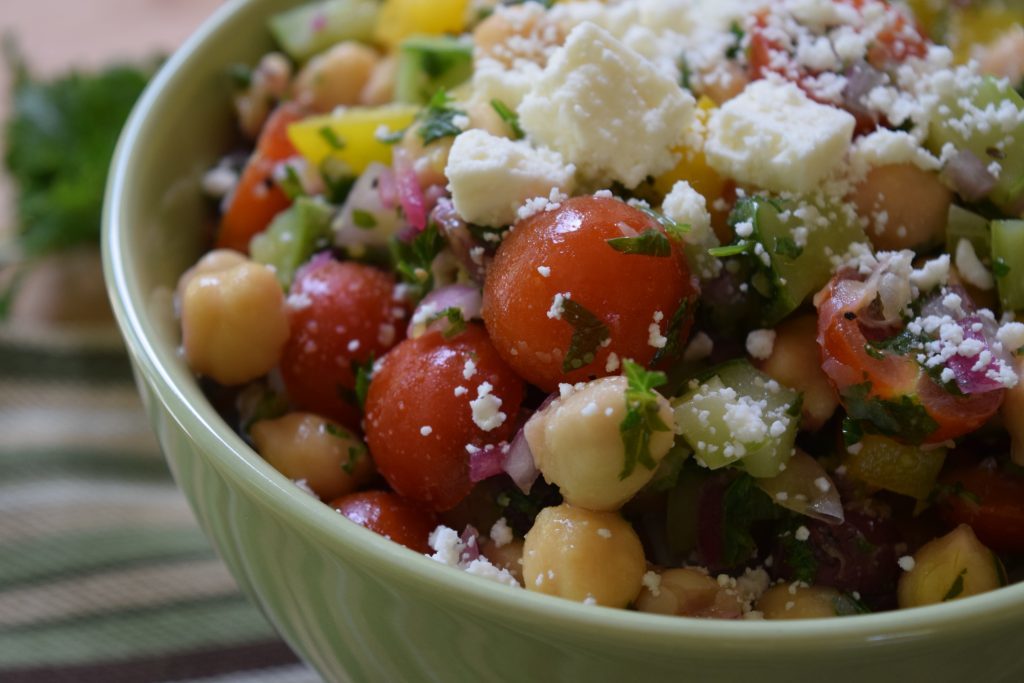
So delicious – Mediterranean Chickpea Salad
Recipes to try: Have you tried this Mediterranean Chickpea Salad? It’s the most popular recipe on my site. And give this plant-based version of Sloppy Joe’s a try.
What NOT to worry about:
- Lectins. If headlines about inflammation and damage to your gut have you skipping pulses, rest assured lectins are not to be feared. While lectin compounds can harm health, they’re largely deactivated during cooking and removed with water.
- Weight gain. Research from 21 studies finds that eating a serving of pulses daily led to a small weight loss and lower body fat even without trying to lose weight. Pulses are not associated with weight gain.
- Blood sugar spikes. Eating lentils, black beans, and other pulses is associated with better blood sugar levels – similar to the effects of some FDA-approved diabetes drugs!
Tofu and other soy foods
Soy can brag that it’s a complete protein, meaning it has all nine essential amino acids in adequate proportions. Common soy foods include tofu, tempeh, edamame beans, and soymilk, and each offers something great.
How much to eat: Aim for a couple servings per week to as much as a couple servings per day. This larger amount is linked to less breast cancer in Asian countries where people eat soy regularly throughout their lives.
Nutrients to celebrate:
- folate
- isoflavones, phenolic acids, lignans, and other phytonutrients
Try this:
- Extra-firm tofu is my go-to for baked, stir-fried, and sauteed tofu. Experiment with your favorite flavors. Mine include za’atar with tahini sauce and ginger with peanut sauce.
- Enjoy shelled edamame beans in salads or in-shell beans as an appetizer. Edamame beans are a rare food with a hefty dose of fiber without much other carbohydrate to raise blood sugar.
- Tempeh also has lots of fiber. A 3-ounce serving pops with 10 grams of dietary fiber and 19 grams of protein.
- Whip up a morning smoothie with silken tofu.
- Sprinkle roasted soynuts over your salad for a satisfying crunch.
Recipes to try: Even meat lovers love this sriracha tofu. And if you’re a fan of tangy, you’ll enjoy lemon and mustard marinated tofu.
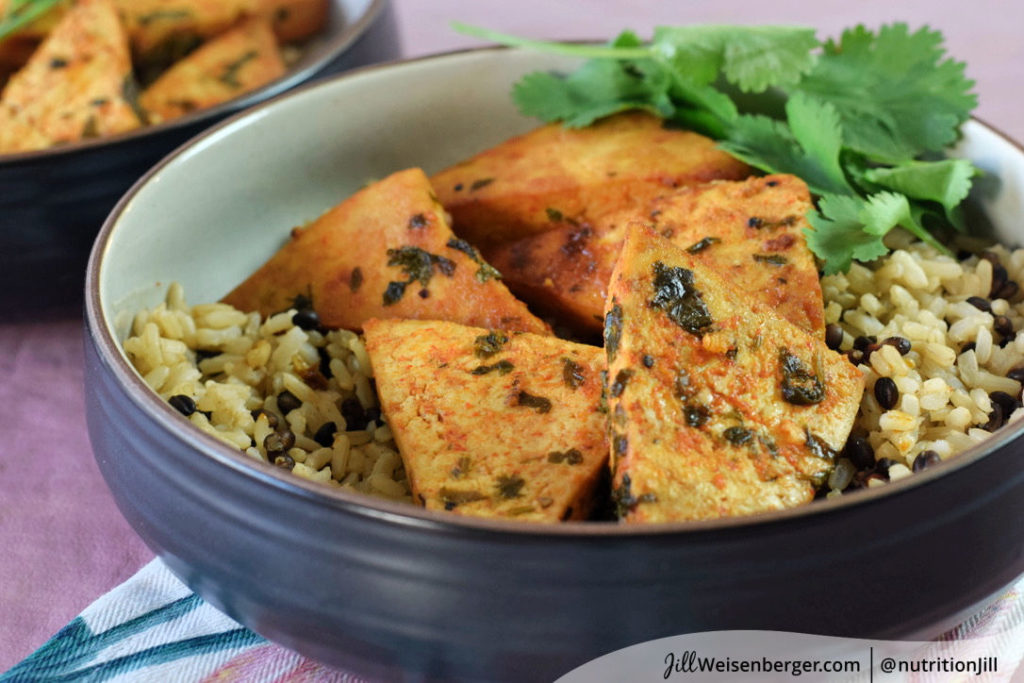
Meat-lover approved. Baked Sriracha Tofu. Tofu provides plant protein but doesn’t have much carbohydrate, which makes it a fabulous choice for people with prediabetes or diabetes.
What NOT to worry about:
- Breast cancer. Isoflavones in soy can mimic the hormone estrogen, which initially alarmed researchers because higher levels of estrogen are associated with increased risks of some types of breast cancer. However, human studies do not suggest that soy increases breast cancer risk and may even lower the risk of developing breast cancer.
- Other types of cancer. An analysis of 35 studies found that higher intakes of soy foods and soy isoflavones are linked to lower overall cancer risk.
- Feminizing men. I’m sure this myth came about because soy foods contain isoflavones, a plant version of estrogen. But no, neither soy nor soy isoflavones- at least in normal amounts – affect male reproductive hormones, according to more than three dozen studies.
Nuts and seeds
I grew up believing desserts were the only foods worse for health than nuts. Both sugary foods and high-fat foods were fattening after all. Chocolate with nuts was truly the devil.
Fortunately, we now recognize that foods are so much more than just their macronutrients (fats, carbs, and protein). Nuts and seeds are loaded with disease-fighting nutrients and linked to good health, especially heart health even among people with diabetes.
While nuts and seeds contribute to our protein intake, they’re much lower in protein per calorie than other foods. For example, an ounce of peanuts serves up 7 grams of protein and 161 calories. You get only 4 grams of protein for 180 calories in an ounce of walnuts. Compare that to pulses above or to an ounce of turkey breast for 6 grams of protein and only 30-ish calories.
You’ll probably gain too much weight if you rely on nuts and seeds for a significant amount of protein. On the other hand, nuts and seeds are great frequent additions to meals and snacks if you want to gain weight healthfully.
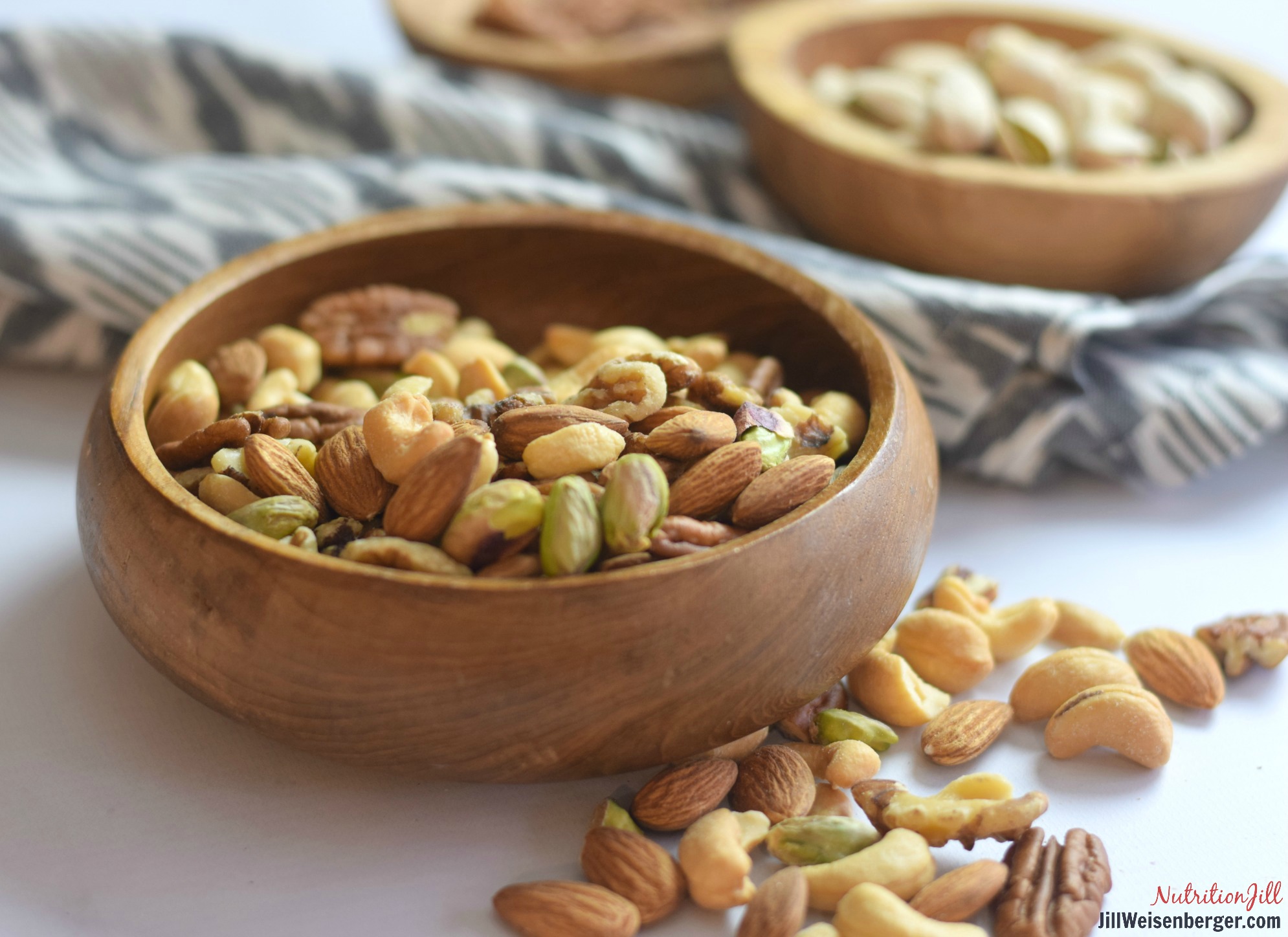
Nuts give us a bunch of yum, crunch, unsaturated fats, and a host of nutrients and phytonutrients.
How much to eat: A small handful – or about an ounce a day is associated with a nearly 30% reduced risk of developing heart disease. Other research finds that 1 1/2 to 2 ounces daily improves blood vessel health.
Nutrients to celebrate:
- L-arginine, an amino acid important in blood vessel relaxation
- vitamin E, an antioxidant
- magnesium, which may help explain better blood pressure control
- walnuts and chia seeds have ALA, an important omega-3 fatty acid
- walnuts contain ellagitannin phytonutrients, which may support your microbiome
Pistachios are a complete protein. Learn other differences among various nuts in this article, Best Nut for Health.
Try this:
- Sprinkle toasted almonds over green beans, rice, and baked fish
- Mix walnuts or pecans into oatmeal
- Enjoy any nut mixed with yogurt or cottage cheese
- Toss toasted pine nuts with sauteed spinach
- Coat chicken or fish with chopped nuts before baking
Recipe to try: This Asian-inspired fish is delish. Also toast nuts for salads and other vegetables. I describe two ways to toast nuts below.
1. Place the nuts in a cold, dry skillet on the stove over medium heat. Toss frequently, until fragrant and browned in spots. Quickly move the nuts to a plate to stop the cooking process.
2. Or using the oven, arrange nuts in a single layer on a baking sheet. Bake at 350°F for as little as 5 minutes for small, delicate nuts like pine nuts and up to 10 minutes for heartier nuts like almonds. Stir often to prevent burning until fragrant and browned in spots.
What NOT to worry about:
- Weight gain. Nuts pack a lot of calories in a small handful, yet research suggests that when eaten in reasonable amounts (ie: not by the bowlful or as part of excessive amounts of sweets) nuts do not lead to overweight or obesity. Even in clinical trials without instructions to substitute nuts for other foods, nuts did not cause weight gain. Eating nuts may help some people cut calories without effort because they’re satiating, but researchers don’t have a conclusive explanation.
Quinoa
Quinoa is technically a seed, but we classify it as a whole grain because its nutrient profile resembles other whole grains. Like other whole grains, quinoa is tasty and versatile, but this one is quick to cook and comes with a hefty dose of protein – about 8 grams per 1 cup of cooked quinoa.
How much to eat: Fill about one-quarter of your plate with quinoa or other starchy foods. That’s about 1/2 cup to 1 cup. It’s super nutritious, but if you eat it daily, you won’t have room on your plate or in your belly for other nutritious starchy foods. With about 225 calories and 49 grams of carbohydrates per cup, portion control matters if you’re watching your weight or trying to manage your blood sugar levels.
Use the plate method of meal planning to balance your portions of quinoa and other starchy foods.
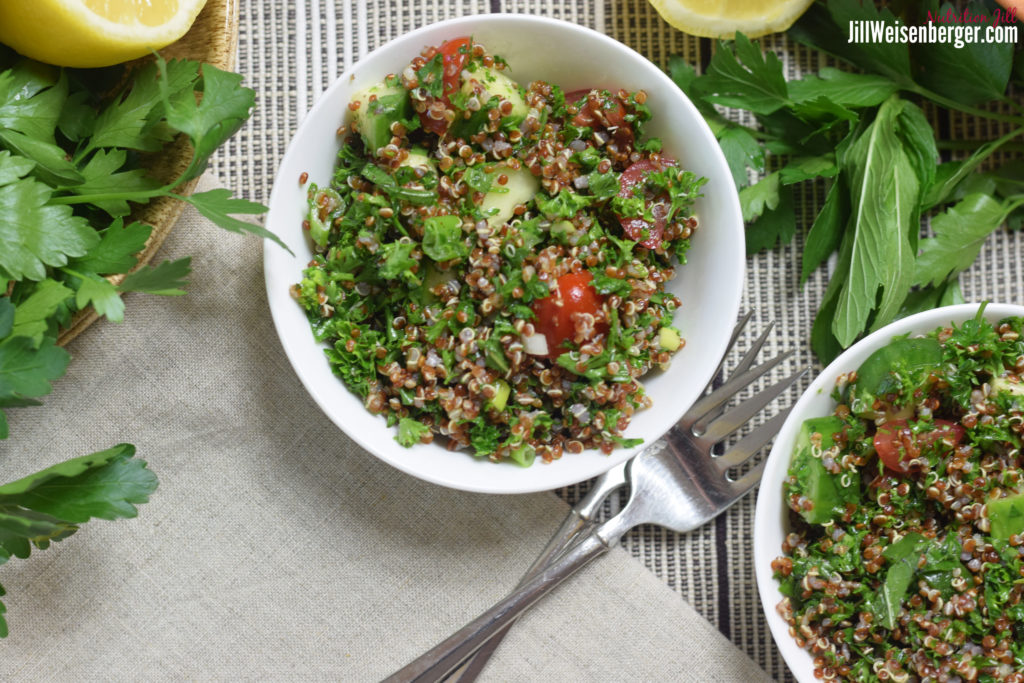
You’re going to love this healthy red quinoa salad as a side dish
Nutrients to celebrate:
- fiber – 5 grams per cup
- iron
- potassium and magnesium
- flavonoids, which likely have antioxidant and anti-inflammatory properties, as well as other health-boosting effects
Try this:
- Serve quinoa in place of rice with stir-fries, side dishes, and stuffed into bell peppers
- Mix about 1/4 cup cooked quinoa into a main dish salad
- Cook it with milk and top it with fruit and nuts for a satisfying porridge
- Layer it on the bottom of a nourish bowl
Recipe to try: This healthy Red Quinoa Tabouli is perfect whenever it’s salad weather.
What NOT to worry about:
- It’s full of starch. Quinoa has comparable amounts of starch to other whole grains. And sadly, both starch and carbs are misunderstood and demonized. Neither is bad for you when consumed as part of a wholesome diet. Don’t eat a bucket of whole grains, but do enjoy them daily.
Nutritional yeast
Unlike yeast for baking, nutritional yeast is heated and dried, making it inactive. Nutritional yeast is trendy as a cheesy-tasting vegan food. Two tablespoons serve up 5 grams of protein and 2 grams of fiber with only 40 calories.
How much to eat: A tablespoon or two boosts the flavor of many recipes. You can eat it daily if you’d like.
Nutrients to celebrate:
- fiber – a gram or two here and there add up
- B vitamins, if fortified
Try this:
- Sprinkle nutritional yeast over grain dishes like pasta and brown rice
- Add it to scrambled eggs or tofu
- Flavor popcorn
- Whip up a salad dressing or veggie dip
- Stir into soups
- Season roasted vegetables with nutritional yeast
Frequently Asked Questions about protein from plants
Below are the answers to my clients’ and students’ most common questions about plant proteins.
- Are veggie burgers good for you? Go to answer.
- How does chickpea pasta stack up nutritionally against regular pasta? Go to answer.
- How do I know which plant-based milk to buy? Go to answer.
- I recently learned about jackfruit. Is jackfruit a good meat substitute? Go to answer.
- Do you recommend protein powders? Go to answer.
- If I eat a vegetarian diet, do I need to combine proteins? Go to answer.
Veggie burgers
#1 Are veggie burgers good for you?
Just like most processed foods, the wholesomeness of plant-based burgers varies considerably. You’ll need to look at food labels for ingredients and nutrition facts. Surprisingly, some veggie burgers provide as little as 3 grams of protein. Compare that to a small hamburger with about 23 grams of protein, and you’ll see it’s not a comparable swap.
A good choice will have about 20 grams of protein or more, be moderate in sodium, and have no more than 2 or 3 grams of saturated fat.
Veggie burgers made primarily with vegetables and grains will not be a good source of protein though they may be plenty nutritious in other ways. Patties made with beans, lentils, and soy provide more protein. I wasn’t inclined to taste them, but I gave them a try when I got free samples of the new line of Beyond Meat veggie burgers with red lentils and faba beans. And I was so pleased with them – from both nutrition and taste standpoints. One burger has 21 grams of protein, 2 grams of fiber, 310 mg of sodium, and only 2 grams of saturated fat – thanks to the avocado oil instead of the previously used coconut oil.
Chickpea pasta
#2 How does chickpea pasta stack up nutritionally against regular pasta?
Chickpea pasta, lentil pasta, and other pasta made of pulses serve up loads more protein and fiber than traditional pasta made from wheat. If you dine on pasta with tomato sauce, choose pulse pasta over wheat pasta to get adequate protein. But if your meal is already balanced with protein and fiber-rich carbs, either pulse pasta or whole wheat pasta is a good choice.
Portion control will always matter, however.
When you compare the ingredient labels of canned chickpeas and chickpea pasta, they look the same. However, don’t expect them to behave the same way in your body. Your body processes whole chickpeas more slowly than highly processed chickpeas, so you might expect differences in appetite hormones and blood sugar levels. Regardless, any way you get them, chickpeas are good for you.
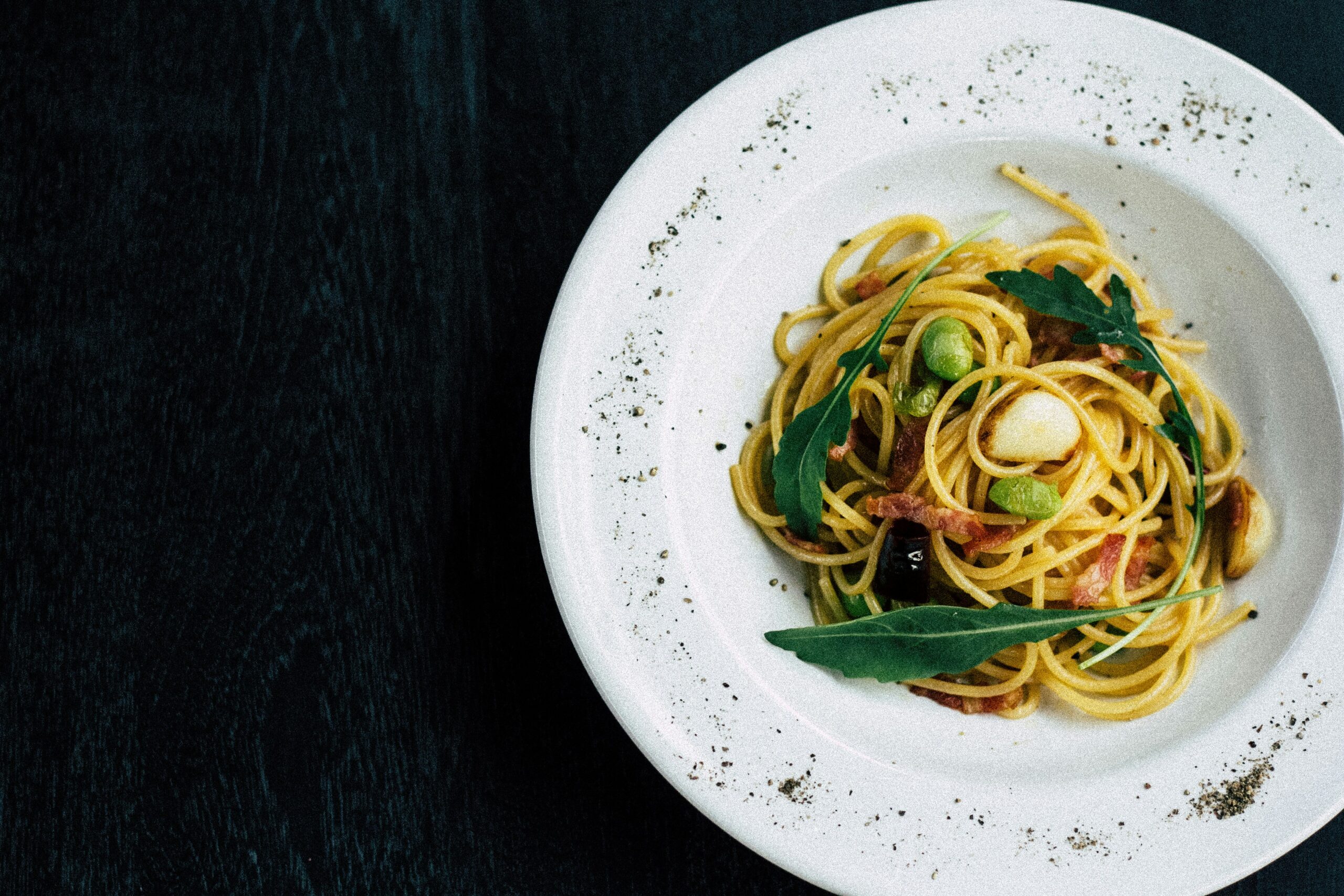
Photo by Mgg Vitchakorn on Unsplash
Plant-based milk
#3 How do I know which plant-based milk to buy?
Again from a protein perspective, you’ll find big variations among products. If you replace dairy with plant-based beverages, your best option is soymilk or a product fortified with pea protein or other plant protein. Both soy and cow’s milk provide about 8 grams of protein per cup. Almond milk, on the other hand, like most plant-based milk has just 1 gram per cup.
If you’re not concerned with your protein intake, most options are suitable. However, you’ll still need to read labels for added sugars, saturated fat, and anything of special interest to you.
Jackfruit
#4 I recently learned about jackfruit. Is jackfruit a good meat substitute?
While the texture resembles shredded meat, nutritionally jackfruit doesn’t measure up to protein from plants or meats. A cup of jackfruit provides 143 calories and only 2.6 grams of protein. It comes packed with vitamin C, magnesium, potassium, and other minerals, but lacks significant protein.
You’ll also find cauliflower “steaks” and portabello mushroom “burgers” on restaurant menus, but these too are not suitable sources of plant protein. They’re probably tasty and nutritious, but like jackfruit, they’re not a meat or plant protein substitute.
Protein powder
#5 Do you recommend protein powders?
Only now and then.
If you choose one, read the labels carefully. So many protein powders are filled with unnecessary ingredients like sweeteners and herbs or excessive amounts of vitamins and minerals. And protein powders are nutritional supplements, meaning they’re not tightly regulated like food and drugs. Some studies identified heavy metals and other toxins in protein powders.
I’d much rather you get protein from regular food than rely on supplements. However, they may fill the protein gap, especially in foods like smoothies and oatmeal.
Protein combining
#6 If I follow a vegetarian diet, do I need to combine proteins?
Good news: you do not need to combine proteins.
Years ago, nutrition experts recommended combining various proteins from plants to maximize essential amino acids. Thus, the common duo of beans and rice. However, research progressed and we now know that eating adequately throughout the day is enough. Enjoying grains at breakfast and beans at lunch gives you the right amount of all amino acids.
Filed Under: Meal Planning, Myth Busting, Nutrition
Tagged: Beans, carbohydrate, diabetes, heart healthy, legumes, prediabetes, protein, vegetarian

Jill Weisenberger
I'm Jill, and I believe simple changes in your mindset and health habits can bring life-changing rewards. And I don't believe in willpower. It's waaaay overrated. As a food-loving registered dietitian nutritionist, certified diabetes care and education specialist and certified health and wellness coach, I've helped thousands of people solve their food and nutrition problems. If you're looking for a better way to master this whole healthy eating/healthy living thing or if you're trying to prevent or manage diabetes or heart problems, you'll find plenty of resources right here.
Leave a Reply
3 Comments
Leave a Comment
Welcome to my Blog
Hi there! I'm Jill, a nutrition & diabetes expert and the author of 4 books.

I believe simple changes in health habits can bring you life-changing rewards.
And I believe willpower is way overrated.
Right here is where you can discover the mindset and habits to stick with healthy lifestyle choices most of the time - and drop the guilt when you don't.
Get the Second Edition!

Featured Posts



Thanks for helping me remember how much I like black beans. I’m going to make an effort to eat them more often. I’ll check out the Beyond Meat burger too.
Yay! I’m a big fan of black beans too!
I found a great homemade protein powder recipe on Eatingwell.com-I don’t have the link but you grind up equal amounts of Chia Seeds, Hemp Seeds and Pumpkin Seeds. It will give you 7 grams of protein in (I think?) two tablespoons of spoons. It can also be added to baked goods, salads, topping for fruit, pasta etc. I would add some Nutritional Brewers Yeast as well!