
The surprising answer to what to eat with high blood pressure
When people ask me what to eat with high blood pressure, they’re almost always surprised by the simplicity of my answer. Diet changes aren’t usually easy, but at least this one isn’t complicated.
If you’re swayed by headlines that promote different foods to help lower blood pressure, you drink celery juice in the morning, sip beet juice in the afternoon, and snack on chia seeds and flax seeds throughout the day and evening.
If you like celery juice, beet juice, and chia and flax seeds, enjoy them. They’re great for you! But if they’re too expensive, unappetizing, or “out there,” feel free to leave them alone.
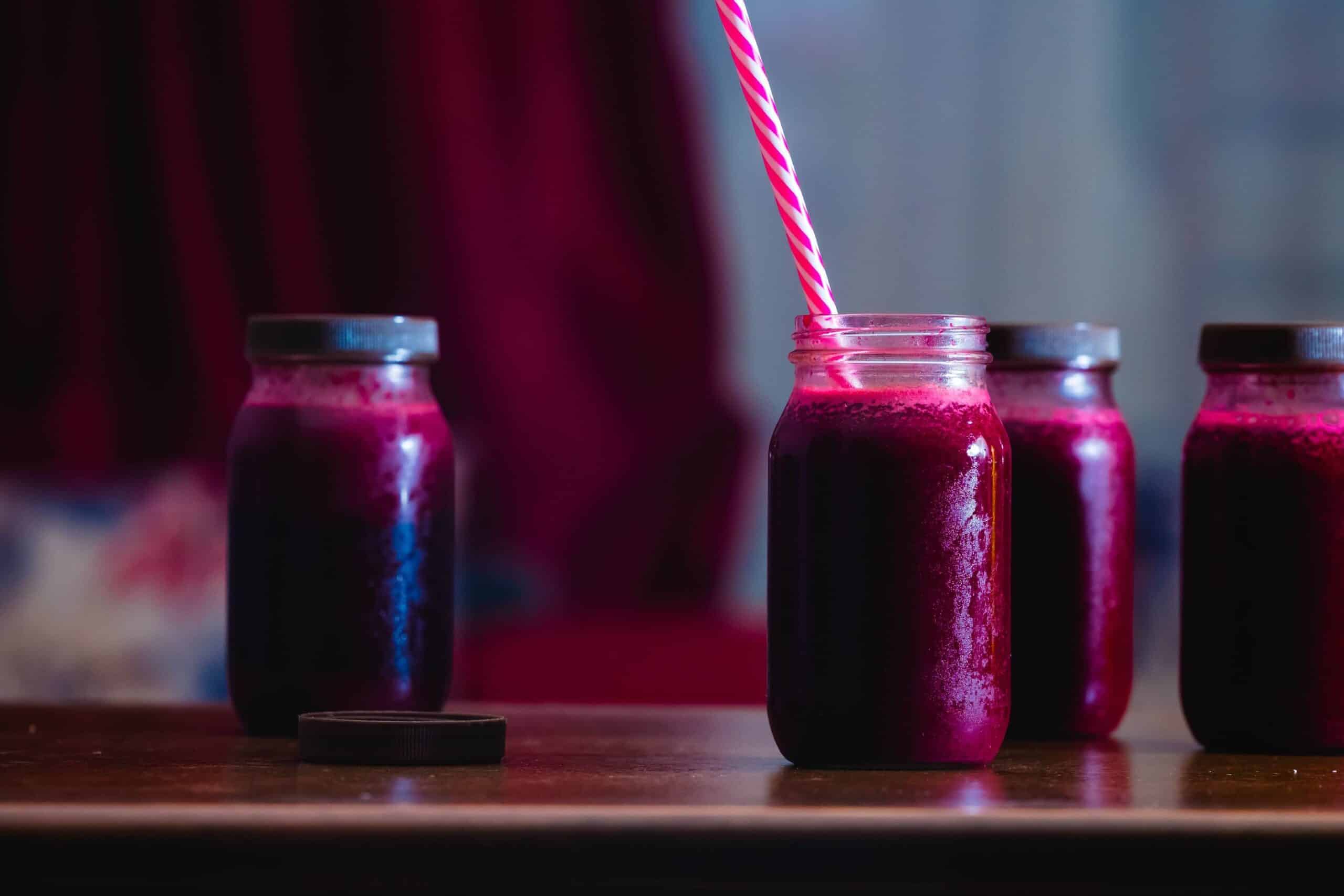
It looks pretty. It might be good for your blood pressure. But how does it taste? Photo credit: K15 Photos
You have access to lots of other common, delicious, and easy-to-use foods to help lower your blood pressure.
Is high blood pressure on your radar?
Nearly half of the adults in the U.S. have high blood pressure, and a mere fraction of them have it under control, putting them at high risk for problems with their blood vessels, heart, brain, kidneys, and eyes.
So many people with high blood pressure – aka hypertension – don’t know they have it. Find out what are normal and high levels of blood pressure. Then make a quick visit to your pharmacy or doctor’s office to be checked and learn what your blood pressure is.
Key message: If you don’t know if your blood pressure is normal or high, find out. It can save your life.
Does sodium matter?
When folks ask what foods to avoid with high blood pressure, my number one reply is anything with lots of salt.
How much is too much?
The American Heart Association (AHA) recommends no more than 2,300 mg of sodium daily. Chances are good that you and I consume at least that much. But none of us is likely to estimate our sodium intake accurately.
Most of our dietary sodium sneaks into our daily meals.
It’s not only what we sprinkle at the table or pour into the pot that packs a sodium punch. The packaged foods we buy at the supermarket and the meals we order in restaurants can fill our bellies and our blood with extra sodium. Some convenience foods – even nutritious ones like instant plain oatmeal and canned lentil soup – could push us over our sodium intake goals.
Find 10 ways to cut back on salt without giving up taste, and learn to use more herbs and spices.
Key message: Most of us consume too much sodium. Little tweaks in your shopping and cooking routines can make a BIG difference. The AHA says reducing your sodium by any amount can lower your blood pressure over the long term.
ANY AMOUNT! So just take a single step today.
What to eat with high blood pressure
Not using a heavy hand with the salt shaker and choosing convenience foods more carefully will cut your sodium intake and likely help tamp down your blood pressure. That’s one part of what not to eat.
But what should you eat with high blood pressure?
Here’s the key message even before we get into the details: Plant slant your plate, bowl, and the paper towel you use to grab your snack. It’s that simple. When you eat a wholesome diet with lots of whole and minimally processed plants, many health concerns fall into place. Blood pressure included.
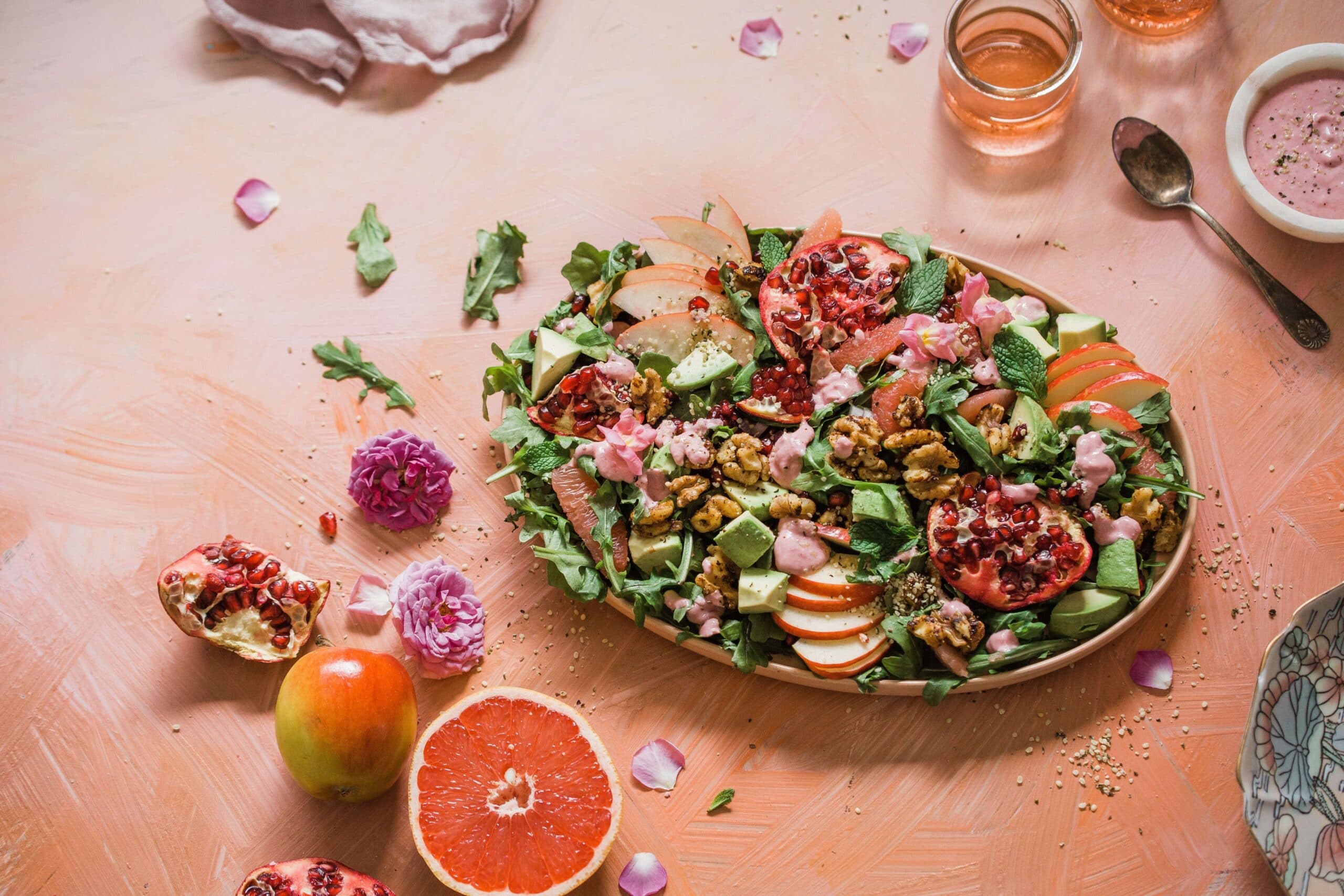
Photo credit: Brooke Lark
The types of plants you eat matter, of course. For example, pretzels, Oreos, and even ginger ale are made from plants, but they will not go very far to boost your health.
In fact, one study found that middle-aged adults whose diets were higher in plants and lower in animal foods were less likely to develop high blood pressure, but only if they made mostly healthful food choices overall.
It came down to this:
Eating a healthy plant-slant diet is associated with a 13% lower risk of developing high blood pressure. But the people who chose less healthful plant-based choices (chips, pretzels, toaster pastries) had a 13% higher risk of developing high blood pressure.
The surprisingly simple answer to what to eat with high blood pressure is this:
Eat a wholesome diet including an abundance of fruits, vegetables, pulses, nuts, and whole grains.
Fruits and vegetables for high blood pressure
Fresh, frozen, and canned produce feed your cells blood pressure-friendly potassium, as well as other minerals and a host of essential vitamins and phytocompounds.
Potassium, by the way, lessens the effects of sodium on your blood pressure.
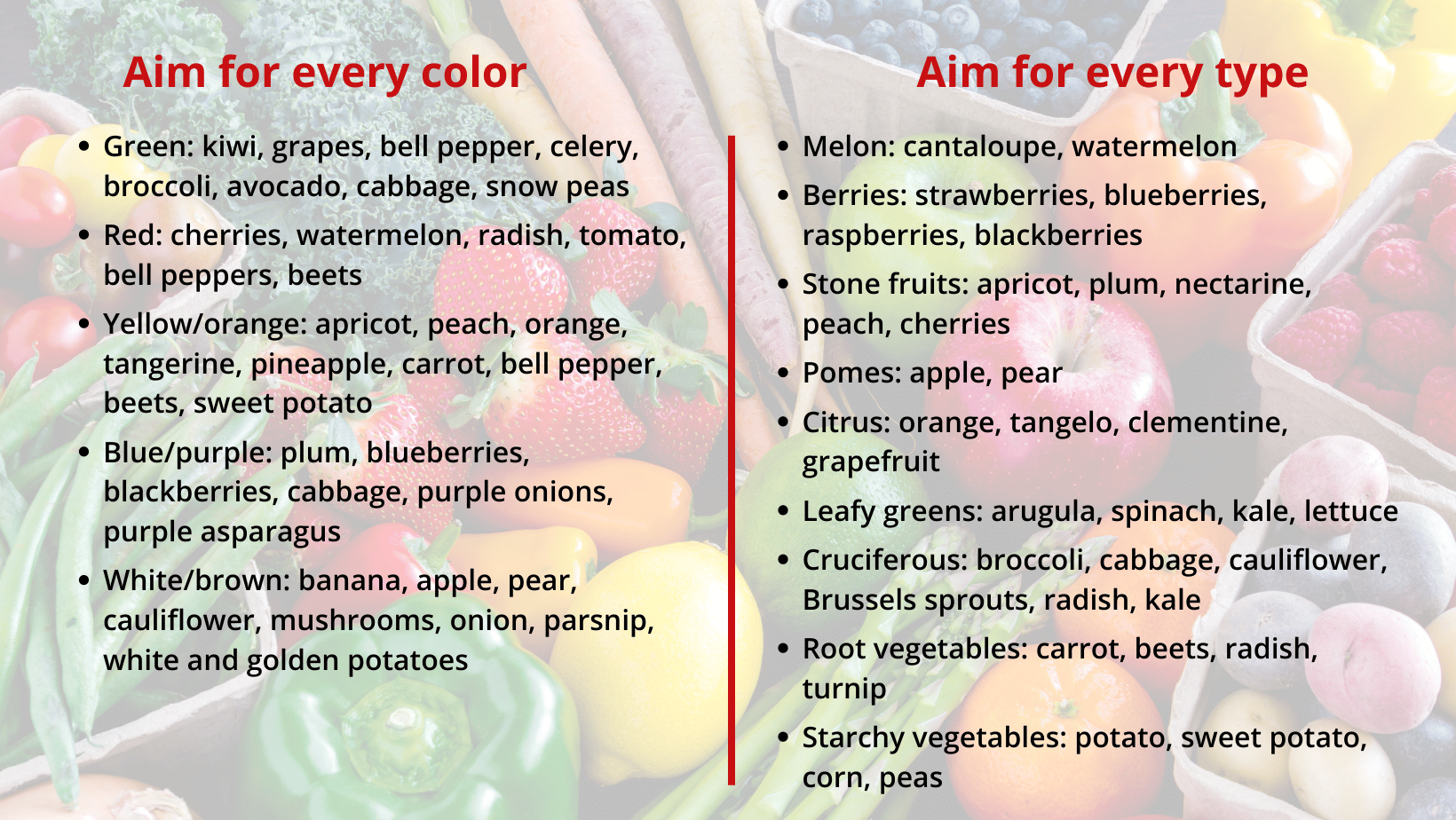
You can’t go wrong with your choices, as long as you mix them up. While green beans and apples are plenty nutritious, you won’t get all the vital nutrients you need if you limit fruits and vegetables to only those two – or any two or three or four. Strive for variety and include leafy greens, potatoes, tomatoes, avocados, oranges, cantaloupe, kiwifruit, and apricots, which are all delicious and convenient sources of potassium.
But the produce section holds more than potassium. Nitrate-rich vegetables like beets, celery (and beet and celery juices), kale, and spinach may help relax your blood vessels. And foods rich in antioxidants and anti-inflammatory compounds can also help manage blood pressure. For example, berries – rich in anthocyanins – may temper blood pressure levels and improve blood vessel health.
Basically, I’m encouraging you to eat lots and lots of fruit and vegetables. Focus on both type and quantity.
If you crave more vegetables in your life – but also need more convenience right now – check out my list of favorite super-speedy vegetables. Definitely convenient!
What about fats and high blood pressure?
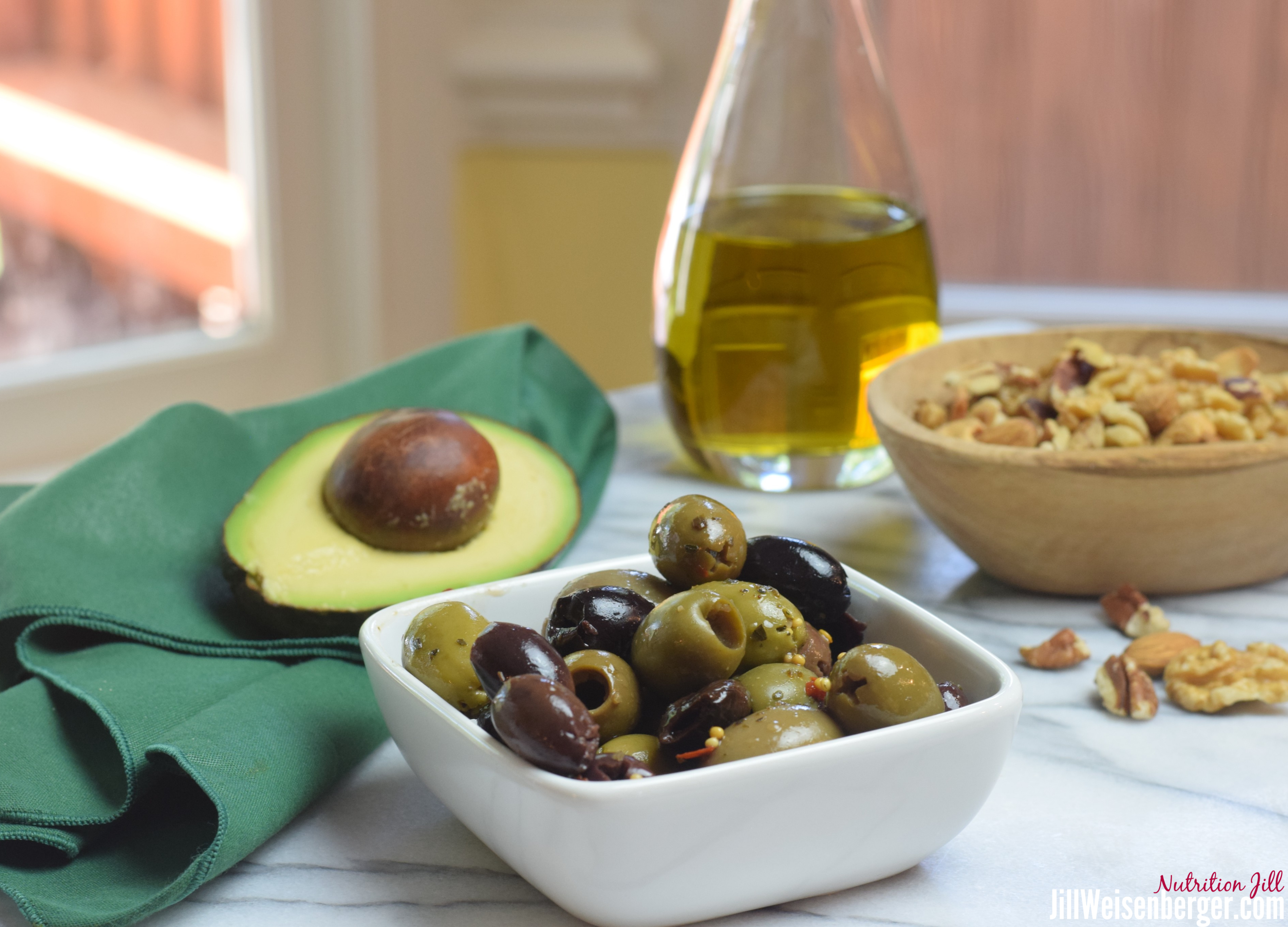
Some fats and plant polyphenols can improve the function of your blood vessels, which could further reduce blood pressure. Studies have shown that extra virgin olive oil, which is rich in polyphenols, reduces blood pressure in people with hypertension, whereas, healthy oils without polyphenols don’t have the same effect.
Here’s your primer on healthy oils to cook with.
Fish with omega-3 fatty acids, nuts, and extra virgin olive oil are good choices whether you have high blood pressure, high blood sugar, both, or neither.
What should you drink for high blood pressure?
Milk is a good choice. The well-studied DASH (Dietary Approaches to Stop Hypertension) diet recommends including low-fat and non-fat dairy products because of three specific and important minerals: calcium, magnesium, and potassium.
Whether you’re #teamcoffee or #teamtea, drink up. Both coffee and tea – being plants – deliver important phytocompounds, including a variety of polyphenols. And they both also appear to lower the risk of developing heart disease.
I’m #teamcoffee and #teamtea, by the way.
While caffeine increases blood pressure in the short term, sometimes there are no long-term effects.
Let’s get back to beverages and foods to avoid with high blood pressure.
Added sugars are closely linked to high blood pressure, so avoid regular sodas and other sugary beverages like lemonade, fruit punch, sweet teas, and specialty coffee drinks with flavored syrups.
I satisfy my cravings for bubbly with zero-calorie flavored sparkling water like LaCroix and Nixie brands. If you want something sweeter, either opt for a diet soda or add an ounce or two of 100% fruit juice to plain seltzer water.
Alcohol – even red wine (my very favorite) – is another beverage to avoid or carefully limit. Cutting back on beer, wine, and spirits in general prevents high blood pressure and reduces existing high blood pressure.
For more about how drinking alcohol affects your heart and your blood sugar, read my article about the helpful and harmful effects of alcohol.
Put these on your high blood pressure grocery list
What to eat with high blood pressure?
No one food is going to magically turn your health around, so put the focus on your total diet. The following choices, however, are a good starting point for your high blood pressure grocery list.
#1 Fruits and vegetables galore
#2 Fish with omega-3 fatty acids
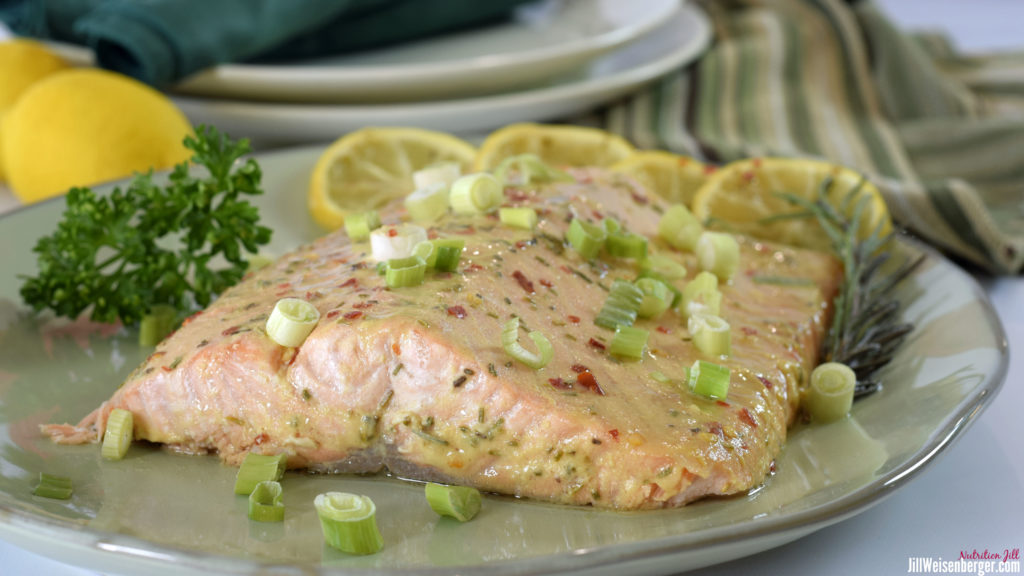
To get at least 2 fish meals weekly, I make salmon, sea bass, or other fish with omega-3 fatty acids at least once a week for dinner and then eat the leftovers for lunch. Tuna, herring, sardines, trout, and others are also terrific fish choices.
One of my favorite quick lunches includes prepared seasoned tuna like the Chicken of the Sea Infusions.
Find easy ways to eat more fish.
#3 Lowfat and nonfat dairy
Drink milk, snack on yogurt, and enjoy cheese.
Eating yogurt is also linked to a lower risk of developing type 2 diabetes, so I always recommend yogurt to people with prediabetes and diabetes. You can learn about choosing the best yogurt here.
#4 Pulses (beans, peas, and lentils)
Pulses are the edible seeds of legumes, and they’re filled with nutritional treasures like potassium, magnesium, fiber, folate, phytonutrients, and plant protein. They feed your good gut bacteria and are incredibly versatile. Definitely put them on your list of what to eat with high blood pressure!
Aim for at least 4 servings per week. Or, if that seems like a lot, aim for just one. You have many to choose from. Here are my favorites:
- garbanzo beans (aka chickpeas)
- black beans
- cannellini beans
- red, black, and green lentils
Hint: drain and rinse canned beans to wash away about 40% of the sodium.
In warmer months, I love bean salads and adding a spoonful of beans to an ordinary green salad. When I feel a chill in the air, I’m all about bean and lentil soups.
#5 Whole grains
More blood pressure-friendly magnesium here.
While oats, whole wheat bread, and brown rice are great, maybe it’s time to venture out to something new. Consider these:
- Farro
- Freekeh
- Sorghum
- Amaranth
- Whole rye
- Barley
- Millet
- Popcorn
- Quinoa
Barley and oats are special because they contain the unique fiber beta-glucan, which improves insulin resistance and lowers blood sugar levels.
#6 Extra-virgin olive oil
This juice from the olive is brimming with disease-fighting polyphenols as well as heart-healthy monounsaturated fats.
Extra-virgin olive oil (EVOO) is expensive, so if it doesn’t fit your budget, feel free to skip it. But if you can swing the cost, try to switch out other fats and oils for EVOO. For example, mix it with lemon juice and your favorite herbs for your evening salad, and sauté vegetables, fish, and more with it instead of using butter.
Here’s your guide to the healthiest oils to cook with.
#7 Nuts and seeds
Just like fruits and vegetables, all nuts and seeds have a unique array of health-shielding nutrients and phytonutrients, (including magnesium) so aim for a variety. But unlike fruits and veggies, I don’t suggest you eat an abundance of nuts and seeds because their high-calorie content is likely to leave you with extra weight – which is not good for your blood pressure.
Stick to around 1/4 cup of nuts and seeds daily. I add walnuts to oatmeal, toasted almonds to green vegetables, pistachios and pumpkin seeds to salads, and finish dinner with chocolate-covered almonds.
So what do you think? What are the first foods you’re going to add to your high blood pressure grocery list?
Sure, you can add celery juice, beet juice, and chia seeds. Or not.
A healthy heart isn’t just about your blood pressure.
Filed Under: Diabetes, Healthy Brain, Heart Health, Prediabetes
Tagged: brain health, heart healthy, high blood pressure, hypertension, sodium

Jill Weisenberger
I'm Jill, and I believe simple changes in your mindset and health habits can bring life-changing rewards. And I don't believe in willpower. It's waaaay overrated. As a food-loving registered dietitian nutritionist, certified diabetes care and education specialist and certified health and wellness coach, I've helped thousands of people solve their food and nutrition problems. If you're looking for a better way to master this whole healthy eating/healthy living thing or if you're trying to prevent or manage diabetes or heart problems, you'll find plenty of resources right here.
Leave a Reply
6 Comments
Leave a Comment
Welcome to my Blog
Hi there! I'm Jill, a nutrition & diabetes expert and the author of 4 books.

I believe simple changes in health habits can bring you life-changing rewards.
And I believe willpower is way overrated.
Right here is where you can discover the mindset and habits to stick with healthy lifestyle choices most of the time - and drop the guilt when you don't.
Get the Second Edition!

Featured Posts



Wow! Thanks for putting in one place all the great food facts I need for dealing with my blood pressure. I spend so much web searching time looking for this.
Yay! So good to know this is helpful!
Hi Jill,
I so appreciate your newsletters! While I don’t suffer from high blood pressure, I am convinced of the beauty of beans in my diet. (And oatmeal.) But I live with only one other person, and even one can of beans is too much for the two of us for one meal. So … I have discovered cooking dried beans in a 250 ml mason jar with my sous vide/immersion wand. Technically, one doesn’t need to even soak the beans before dropping them into the jars, but I do anyway. The sous-vided beans are truly delicious. I think they’re better tasting than canned beans: I control the salt, the amount in a 250 ml jar is exactly enough for two people, I can do up 4 jars at a time in my pot, the unopened jars keep for weeks in the fridge… and … I have no empty bean can to throw into the garbage/landfill site! Online is full of ways to use an immersion wand for other foods, by the way.
I LOVE this idea. Thanks for sharing it. I have sous vide but I’ve never used it this way. It does make perfect hard-boiled eggs!
This article offers some fantastic insights into managing high blood pressure through diet. I appreciate how it breaks down the key nutrients and foods to prioritize for better heart health.
Thank you for your information. I have high blood pressure and I am trying to eliminate the medication, as they has caused a “Drug-Induced Lupus”, which my doctors had no idea of until I find information on the web, regarding causes of Lupus, among these causes was high blood pressure medication. I have been following the Dash Diet and have now cut my medication in half. Your information only confirms how diet is so important to ones health.