

Which is more important: your heart or your blood sugar?
If you have prediabetes or diabetes, you must wonder how does high blood sugar affect your heart and how can you manage both health concerns at once.
Conflicting goals swirl around me. And you too, I bet.
Should you get up early to work out or reset your alarm clock, so you can get more needed sleep?
Should you eat a cookie because it tastes so good, or is it better to ban cookies from the house because they’re so tempting?
Go grocery shopping for healthy food or meet up with your girlfriends for coffee and gossip and rely on takeout for dinner tonight?
What about this one: avoid fruit because it raises your blood sugar or eat it because fruit is good for your blood pressure and your cholesterol – and about a million other things?
The cost of conflicting goals
When my goals conflict with one another, I’m at risk of doing nothing or doing whatever is easiest. It’s easier to stay nestled in comfy sheets and gobble cookies than it is to lumber out of bed and hit the pavement in my running shoes or to say no thanks to hot-from-the-oven chocolate chip goodness.

The blood sugar-heart health conflict
If you have high blood sugar because of diabetes or prediabetes, should you prioritize your blood sugar or your heart health?
I bet you already know my answer.
Constance, who has prediabetes, didn’t want to eat chickpeas and lentils because they have “too much carbohydrate” for her blood sugar. She thought cheese and chicken were better choices since they have little if any, carbohydrates.
But she also has high blood pressure, and her cholesterol is getting up there.
Constance made the same mistake I’ve seen hundreds of times. She prioritized a single measure of her health – blood sugar levels – instead of prioritizing her health in general. That’s a luxury none of us have.
Either-or doesn’t work in diet or anything
Does it make sense to change the oil in your car but never put air in your tires? Of course, not. You need both for your car to run properly. Similarly, it makes no sense to focus on blood sugar or cholesterol, or blood pressure, but not all three.
If you get tangled up thinking about what’s good for your heart might be bad for your blood sugar, remind yourself that both matter – it’s not an either-or. Then look for the overlap. Fortunately, there’s plenty of overlap. And I tell you all about 8 healthy foods about three-quarters of the way through this post.

If only we all looked so cute when our thoughts were tangled
Photo credit: Dex Ezekiel
Blood sugar levels seem more urgent
I suspect lots of people with diabetes or prediabetes work harder to lower their blood sugar levels than to protect their hearts because they can more easily measure blood sugar levels. I can measure my blood sugar every day or several times a day. But I can’t look into my chest to see how my heart is beating or put on x-ray glasses to see if my blood moves through my blood vessels easily like water or sluggishly like honey.
Many people know that every meal or snack affects their blood sugar soon after eating, but the effect of a single plate of food on the heart isn’t so clear.
Want a 1-page summary of 4 measures of heart health with the numbers to aim for? Get it here.
How does high blood sugar affect your heart?
The short answer: High blood sugar increases clogging of the arteries and damages the nerves that control your heart.
The long answer: High blood sugar damages your blood vessels and changes the structure of LDL (bad) cholesterol within the blood vessel lining. Once LDL-cholesterol is modified, it activates the inflammatory process and causes metabolic mayhem. That’s the pathway to atherosclerosis, the troublesome buildup of sticky plaque along the inner walls of the arteries that carry blood to your heart.
So now what happens?
- Atherosclerosis limits blood flow to the heart, preventing the heart from getting adequate oxygen and nutrients.
- The plaque can rupture and form a clot, which can further block the flow of blood to the heart.
How does insulin resistance affect your heart?
High blood sugar affects the heart, but there’s more to it than that. If you have prediabetes or type 2 diabetes, you also have insulin resistance, which is the inability of some of the body’s cells to properly use insulin.
How can you fix the insulin resistance problem? Check out what science says about reversing prediabetes.
You may be familiar with the role of insulin on glucose metabolism, but insulin has many roles in the body. Insulin resistance also affects blood pressure, blood cholesterol, triglyceride levels, blood clotting, inflammation, and more.
Key Message: If your diet lowers your blood sugar but does not also lower insulin resistance or manage your other risk factors for heart disease, you are still at high risk for health problems.

Eating only meat for dinner is a strategy to keep blood sugar levels low, but it omits too many health-boosting foods, especially those that lower inflammation. Eat lots of fruits, vegetables, and other plants too.
Photo credit: Madie Hamilton
Here’s what you CAN DO for your blood sugar & your heart
Control the ABCs
A: A1C
B: Blood pressure
C: Cholesterol
The A, B, and C are equally important. Don’t fall into the trap of assuming you must prioritize one over the other. Again, none of us has that luxury.
First, the A.
The A is for more than A1C. It stands for all measures of your blood sugar, including fasting blood sugar levels and those numbers you get after eating (called post-prandial blood sugar levels). If you measure your blood sugar at home or when you go to your healthcare provider’s office for a glucose check, the resulting number shows the concentration of sugar in your blood at just that moment. But your blood sugar level moves up and down all day and night – even if you do not have prediabetes or diabetes.
The A1C test gives you and your healthcare team a more complete picture of how your blood sugar rises and falls during those moments you aren’t measuring it.
The A1C, also called hemoglobin A1C, is a simple blood test that measures the proportion of hemoglobin molecules (the protein that carries oxygen in your blood) that are attached to glucose or sugar molecules. Everyone has sugar-coated hemoglobin, but you’ll have more if your blood sugar levels run high.
The A1C gives an estimate of your average blood glucose level over the past 2 to 3 months.
What your A1C means
If, for example, your A1C is 7%, your estimated average glucose over the last 2 – 3 months is 154 mg/dl. At any given point, your blood sugar may have measured above or below 154, but your average blood sugar for that time period is approximately 154 mg/dl. You can use an online calculator to estimate A1C numbers not listed below.
| A1C (%) | Estimated Average Glucose (mg/dl) |
|---|---|
| 5 | 97 |
| 6 | 126 |
| 7 | 154 |
| 8 | 183 |
| 9 | 212 |
| 10 | 240 |
| 11 | 269 |
| 12 | 298 |
How diabetes and prediabetes are diagnosed
This chart shows you the tests and results healthcare professionals use to diagnose prediabetes and diabetes. If you have an abnormal result, your healthcare provider will order a second test to confirm your diagnosis.
| Test | Prediabetes | Diabetes |
|---|---|---|
| Fasting Plasma Glucose (FPG) | 100 - 125 mg/dl | > 126 mg/dl |
| 2-hour OGTT (oral glucose tolerance test) | 140 - 199 mg/dl | > 200 mg/dl |
| Random plasma glucose in an individual with symptoms of diabetes such as excessive thirst and urination | Not done to diagnose prediabetes | > 200 mg/dl |
| A1C (an indicator of your average blood glucose level over the past three months) | 5.7 - 6.4 % | > 6.5% |
Get more of your questions about blood sugar answered in this primer on blood sugar for diabetes and prediabetes here.
B comes next.
About half of U.S. adults have high blood pressure. Sadly, only about one-quarter of them have it under control. And the vast majority of adults with diabetes have high blood pressure. So many don’t know they have it. Do you know if you do?
Hypertension is called the silent killer because it often has no symptoms. But even without symptoms, high blood pressure can wreak havoc throughout the body, including the blood vessels, heart, kidneys and eyes.
How hypertension is defined
You have high blood pressure if either the top or bottom number is elevated.
| Blood Pressure Category | Systolic Blood Pressure (top number) | Diastolic Blood Pressure (bottom number) |
|---|---|---|
| Normal | <120 mmHg | and <80 mmHg |
| Elevated | 120 - 129 mmHg | and <80 mmHg |
| Hypertension Stage 1 | 130 - 139 mmHg | or 80 - 89 mmHg |
| Hypertension Stage 2 | > 139 mmHg | or > 89 mmHg |
Then comes C.
Quick question: Is the cholesterol in your blood or other parts of your body bad?
Absolutely not. If you had no cholesterol in your body, you’d be a plant.

If it’s 100% plants, it’s 0% cholesterol.
Photo credit: Brooke Lark
Cholesterol is an important part of every cell membrane in your body, and it’s necessary for the production of bile acids for digestion, some hormones, and even vitamin D.
Your cholesterol test
(also known as a lipid panel)
A lipid panel measures various types of fats in your blood. It includes LDL-cholesterol (sometimes called the bad cholesterol), HDL-cholesterol (sometimes called the good cholesterol), and triglycerides (which are a type of fat but not a type of cholesterol).
People with insulin resistance often have high triglyceride levels and low HDL-cholesterol levels. Both are risk factors for heart disease, as is having a high level of LDL-cholesterol. Fortunately, there’s a lot of overlap in diet and lifestyle strategies to address these problems.
Target numbers
- Triglycerides: < 150 mg/dl
- HDL-cholesterol: > 40 mg/dl in men and > 50 mg/dl in women
- LDL-cholesterol: varies based on other risk factors, but is often < 100 mg/dl or < 70 mg/dl
Where does cholesterol come from?
You consume cholesterol every time you eat an egg or piece of chicken or drink a glass of lowfat milk. If you consume animal fats, you’re also consuming cholesterol. But even if you’re vegan and you never eat cholesterol, your body will have enough cholesterol or perhaps even too much.
Your body – being an animal and not a plant – makes all the cholesterol you need. If your LDL-cholesterol level is high, cutting back on saturated fats is your number one diet strategy.
How to recognize cholesterol-raising saturated fats
In general, saturated fat is hard at room temperature. When bacon grease cools to room temperature, it firms up. That’s how you know there’s lots of saturated fat in bacon and bacon grease. If you take butter out of your refrigerator and leave it on the counter for an hour or two, it’s still pretty hard. Again, a sign it has saturated fats. Coconut oil? Also, semi-solid at room temperature.
Hint: all animal fats (including dairy) are high in saturated fats. Coconut oil and other tropical oils are also packed with saturated fats.
If your LDL cholesterol is super stubborn, this supplement can help. It helped me.
What should you eat for your blood sugar and a healthy heart?
Gosh, you could eat any number of healthy diets, including a Mediterranean diet, vegetarian, vegan, flexitarian, pescatarian, and on and on. But here are some foods I recommend for both your heart and blood sugar control.
And for more about what to eat and drink with high blood pressure, check out this article.
8 foods for healthy heart & blood sugar levels
1: Olive oil: Rich in heart-healthy monounsaturated fatty acids, olive oil is a great choice for cooking and for drizzling over salads and other dishes. When you replace bacon grease, lard, and other highly-saturated cooking fats with olive oil, you can expect to see improvements in your blood lipids. But high-quality extra virgin olive oil – with its rich polyphenol content – appears to also improve blood vessel function.
Also good: Other vegetable oils, especially those high in monounsaturated fats like avocado and canola oils. Here’s your primer on the healthiest oils to cook with.
2: Coffee and tea: These two favorite beverages offer antioxidants and other health-boosting phytochemicals. Not surprising; they’re plants after all. However, they both have caffeine, which can raise blood pressure, so pay attention to that. Opt for decaffeinated coffee or discuss caffeine use with a member of your healthcare team. Skip bottled teas because they have little, if any, flavonoids. Brew iced tea in hot water to maximize the health boosters.

Lots of health boosters in these cups.
Photo credit: Joanna Kosinska
You should know: Drinking French press coffee or other unfiltered coffee might increase your LDL-cholesterol level. Using a paper filter, however, removes the compounds that raise total and LDL-cholesterol levels.
You should also know: You can consume a lot of calories and sugar in coffee and tea if you use sugars, creamer, syrups, and other add-ins. So be careful.
3: Whole grains: They’re not the devil some people make them out to be. In a study of nearly 8,000 women with type 2 diabetes, higher intakes of whole grains, bran, and fiber from grains were associated with less overall mortality and less death from cardiovascular disease during a 26-year follow-up.
Especially good: Oats and barley both contain beta-glucan, a fiber that acts like a sponge, sopping up cholesterol from your digestive tract and preventing it from making its way into your bloodstream. Good news for your blood sugar too: beta-glucan also improves the action of insulin, which allows for better blood glucose control.
- Enjoy oatmeal for breakfast! If you prefer a cold breakfast on warm days, sprinkle muesli, which contains uncooked oats, over low fat cottage cheese or Greek yogurt.
- Coat chicken or fish with seasoned oats before baking.
- Mix uncooked oats into ground meat when making meatballs or meatloaf. If you use steel-cut oats, soften them first in egg or egg white.
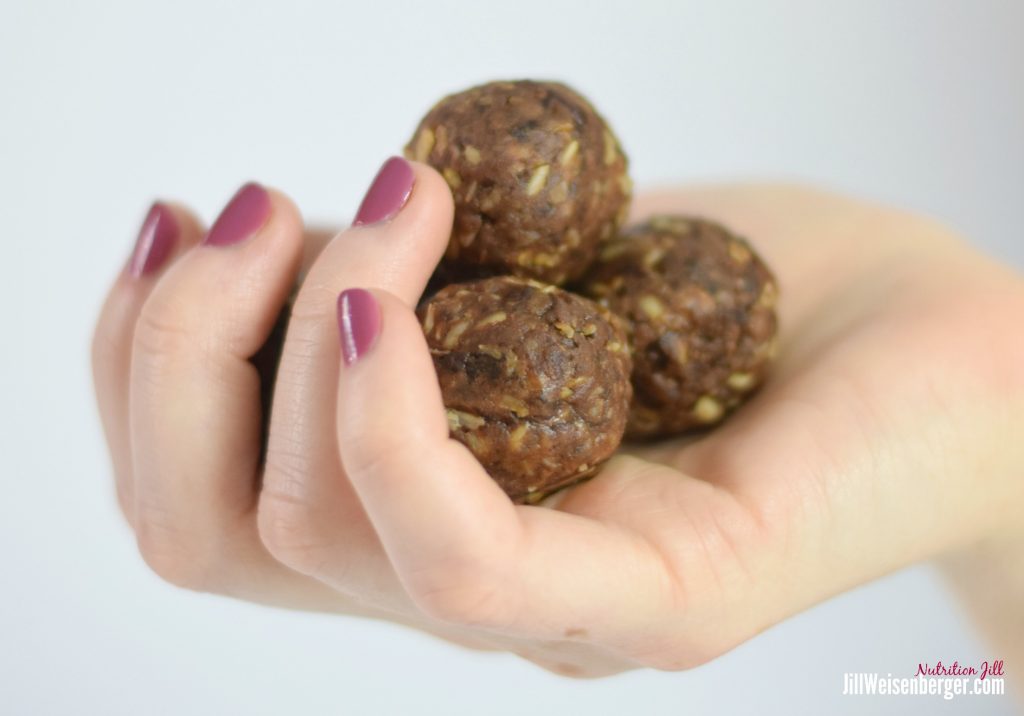
- Swap one-third of the flour with oats in recipes for muffins, breads, and cookies.
- For a popular potluck dish, make your favorite pasta salad recipe with barley instead of pasta.
- Cook up a barley pilaf in place of rice pilaf at dinner.
- To make your main dish salad more filling and delicious, add a few spoonfuls of leftover barley.
4: Nuts: Enjoy them all. Each type of nut has a different array of nutrients and phytonutrients. In general, eating nuts is associated with a lowered risk of heart disease, and some studies find a lower risk of developing type 2 diabetes as well.
- Sprinkle nuts over low fat cottage cheese, Greek yogurt, or oatmeal.
- Add chopped pistachios or walnuts to chicken salad.
- Snack on a small handful of nuts.
- Top steamed green beans with toasted almond slices.
- Add crunch to salad with nuts, not croutons
Learn more about the health benefits of nuts and how to use them here.
You should know: Nuts pack a bunch of calories. If you need to gain weight, they might be a great option that doesn’t raise your blood sugar very much. But if you aim to lose or maintain weight, limit your portion to an ounce, about 1/4 cup.
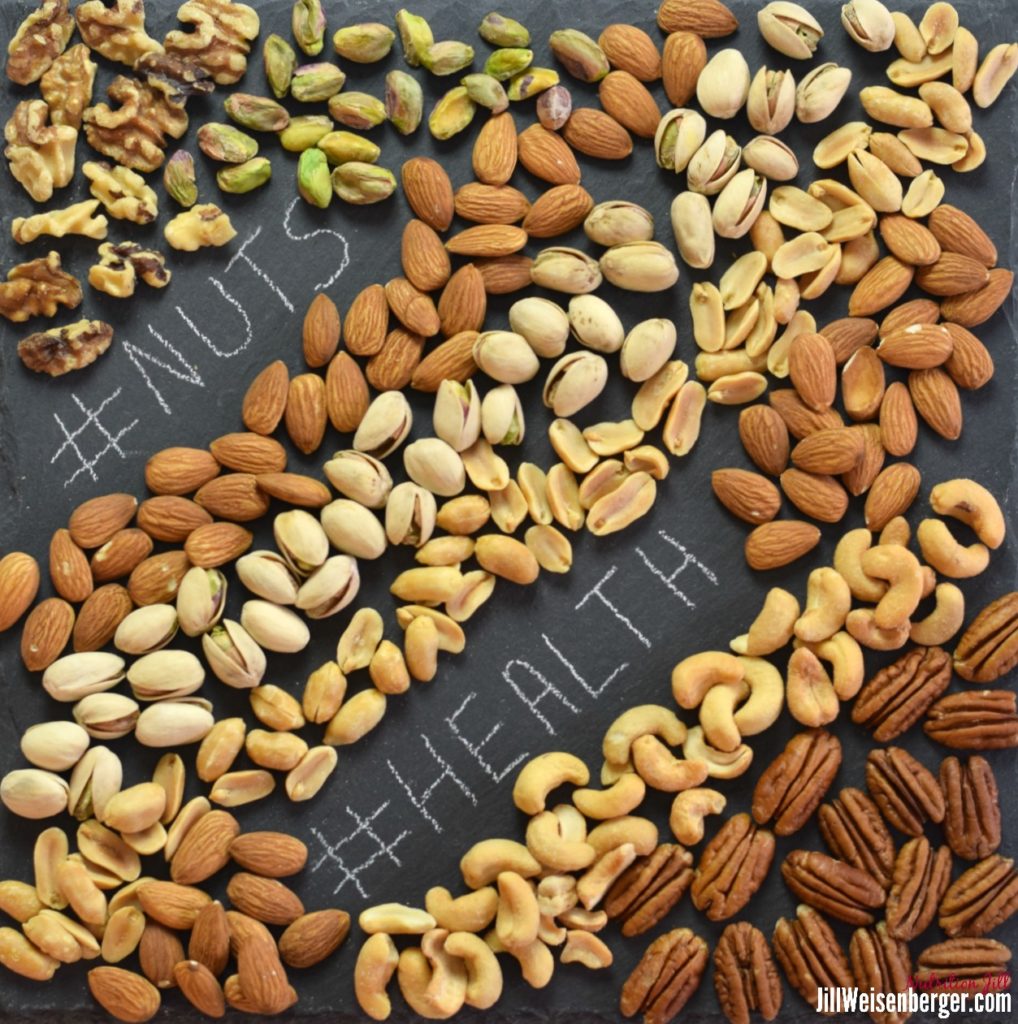
Which nut is best for health?
5: Legumes and other pulses: Beans, beans really are good for the heart – so much more. They contain more protein than other vegetables and provide resistant starch, a unique carbohydrate that, when degraded by bacteria in the gut, causes the production of compounds that protect cells in the colon and improve insulin action and blood glucose levels. Eating at least 4 servings of beans or other pulses (beans, peas, and lentils) weekly is linked to a 22% lower risk of coronary heart disease compared to rarely eating beans.
- Spoon any favorite bean over a simple green salad. Drain and rinse a can of beans to wash away about 40% of the sodium.
- Toss kidney beans into pasta salad.
- Combine several types of beans with chopped veggies, canned corn, and a vinaigrette for a main dish or side salad.
- Dip raw or lightly steamed vegetables into hummus instead of blue cheese or ranch dressing.
Does your diet need more pulses? Here’s a list of my favorite ways to prepare them.
6: Fish: Fatty fish like salmon, sardines, lake or rainbow trout, herring, anchovies, and tuna are jam-packed with heart-shielding omega-3 fatty acids. Eat some twice weekly to protect your heart.
- Top your favorite fish with lemon, garlic, and fresh basil or with a fruit salsa.
- Add salmon or canned sardines to a green salad for a main dish.
- Poach salmon and other fish to enjoy it cold.
- Toss tuna or salmon with pasta and vegetables for a quick cooling main dish pasta salad.

Delicious honey mustard salmon
Here are a bunch of seafood recipes. Give one a try this week.
7: Vegetables, fruits, and more vegetables: Eat these at every meal and snack. Diets with an abundance and a variety of fruits and vegetables are linked to reduced risks of oodles of chronic health problems. Sadly, Americans consume, only a fraction of the recommended fruits and vegetables. Yet these two food groups provide under-consumed nutrients such as dietary fiber, vitamins A and C, folate, and blood pressure-friendly magnesium and potassium. Plus they don’t saddle you with sodium and saturated fat. And of course, each fruit and vegetable gives you a unique array of health-shielding phytochemicals that act as antioxidants, anti-inflammatory compounds, cancer-fighters, and insulin sensitizers.
- Stuff a sandwich with more veggies than meat.
- Add shredded carrots or zucchini to ground meat before shaping into a meatloaf or meatballs.
- Simmer zucchini, mushrooms, green beans, or eggplant in your favorite pasta sauce.
- Keep a bowl of fresh fruit on the table for easy reaching.
- If you work outside your home, carry five pieces of fruit to work every Monday for an afternoon snack each day of the week.
- Thread pineapple, peaches, cherry tomatoes, mushrooms, zucchini, and other fruits and vegetables on skewers to toss on the grill.
- Grill fruit for dessert.
8: Herbs and spices: These flavor boosters give your body the same love that fruits and vegetables do. They, too, are loaded with phytochemical disease-fighters. Punch up the flavor with both fresh and dried herbs and spices. The research isn’t definitive, but cinnamon might even improve blood glucose and lip levels.
- Sprinkle cinnamon on yogurt, cottage cheese, oatmeal, and even in coffee.
- Add fresh herbs to green salads.
- Snip fresh basil over tomatoes for a simple salad.
- Enjoy fresh peaches and nectarines with fresh mint, basil or lemon verbena.
- Substitute 1 part dried herbs for 3 parts fresh herbs because the flavor of dried herbs is typically more concentrated.
- Experiment with spice blends like za’atar, baharat, Caribbean blend, chipotle, and Italian medley.

Filed Under: Diabetes, Heart Health, Prediabetes
Tagged: Beans, blood sugar, carbohydrate, diabetes diet, fats, fiber, fish, fruit, legumes, nuts

Jill Weisenberger
I'm Jill, and I believe simple changes in your mindset and health habits can bring life-changing rewards. And I don't believe in willpower. It's waaaay overrated. As a food-loving registered dietitian nutritionist, certified diabetes care and education specialist and certified health and wellness coach, I've helped thousands of people solve their food and nutrition problems. If you're looking for a better way to master this whole healthy eating/healthy living thing or if you're trying to prevent or manage diabetes or heart problems, you'll find plenty of resources right here.
Leave a Reply
4 Comments
Leave a Comment
Welcome to my Blog
Hi there! I'm Jill, a nutrition & diabetes expert and the author of 4 books.

I believe simple changes in health habits can bring you life-changing rewards.
And I believe willpower is way overrated.
Right here is where you can discover the mindset and habits to stick with healthy lifestyle choices most of the time - and drop the guilt when you don't.
Get the Second Edition!

Featured Posts




I appreciate this article.
So glad to hear that! Thank you for taking the time to say so.
Hi Jill. I came across this page after a Pinterest search for diabetic heart-healthy recipes. I’ve been the aide to a diabetic who’s unable to chew hard foods (such as raw veggies). He recently had a heart attack, and was readmitted for congestive heart failure which damaged his kidneys. It’s a struggle finding foods that fit into all those restrictions, let alone trying to put together a 3-meals-a-day meal plan. You’ve provided some good, helpful suggestions. I’d appreciate any additional suggestions you might have.
Goodness, your client is a complicated case! With so many restrictions, he needs a registered dietitian nutritionist who is also a certified diabetes care and education specialist to develop suitable menu guidelines. Insurance, including Medicare usually pays for this. I recommend you discuss this with him or his primary caregiver.