
Yes, these 5 foods really are okay to eat, so start enjoying them
Inside: Find 5 surprisingly healthy foods you get to enjoy regularly.
What would you think the mom and her 20-something daughter were talking about if you overheard this at the grocery store?
“Don’t buy that one. It’s not good for you.”
It wasn’t a box of toaster pastries, microwavable mac and cheese, or even colorful breakfast cereal.
It was a plastic container of pre-cut watermelon that sat among containers of ready-to-eat berries, mixed fruits, and cantaloupe. The mom didn’t want her daughter to eat watermelon because it’s “too high in sugar.”
Wearing my shopper’s hat and not my dietitian’s hat, I tightened my mouth and pushed my cart passed the tall display of bananas and toward the onions and tomatoes.
Food is for enjoying
I’ve had similar conversations in my office – many times.
A health-minded person focuses on a single attribute of food while missing the compelling nutrition story the food tells. It reminds me of the expression about missing the forest for the trees or the one about sweating the small stuff. Here, the mom fixated on the sugar content of watermelon while overlooking all this favorite summer treat offers – taste, nutrition, hydration, and perhaps nostalgia for summer.
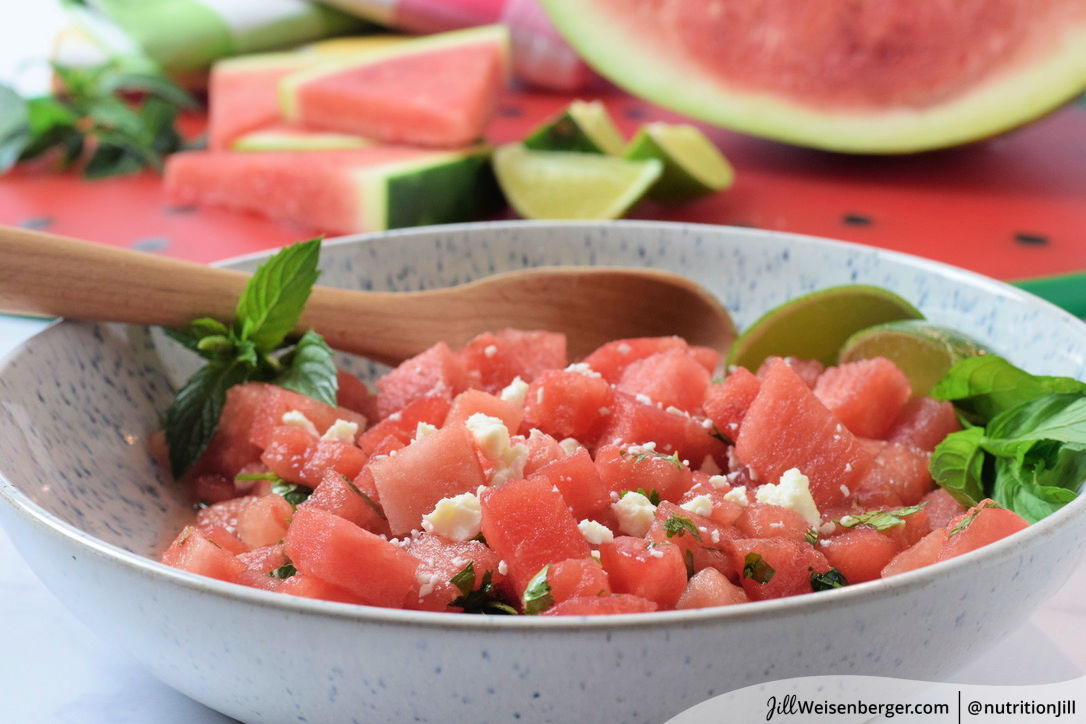
By itself, watermelon has a high GI, but once you add feta cheese and other ingredients to make a salad, the blood sugar effect is less clear.
I was most taken aback several years ago when a woman told me she’d never eat conventional produce again because the pesticides were toxic. Yet, she smoked for the last 35 years! She definitely focused on something small compared to a much greater health risk. It’s like worrying about stones on a path and ignoring the cliff up ahead.
I don’t think the woman from years back should be scared or feel guilty when she eats regular broccoli or apples instead of the harder-to-find and more expensive organic ones. Likewise, I don’t want the 20-something woman to feel like she did something wrong for choosing to stock her refrigerator with watermelon instead of berries or cantaloupe.
Food is for enjoying. So today, I’m bringing you 5 foods you should be able to enjoy, but someone probably told you they’re bad for you.
5 foods you should smile about
I could turn this section into a lot more than 5 foods, and maybe I will. Feel free to drop me a note in the comments below if you want to hear my take on another food.
Feel good about watermelon
The fear: With so much sugar, this high glycemic index (GI) fruit will spike your blood sugar.
The feel-good news: All of the sugar in watermelon – like all fresh fruits – is naturally occurring sugar. Most importantly, I want you to limit your added sugar intake. Watermelon is loaded with good nutrition. You get these:
- vitamins A and C
- the minerals potassium and magnesium
- water, which is hydrating
- the antioxidant lycopene
- additional phytochemicals that may reduce oxidation, inflammation, blood pressure, insulin resistance, and more
By the way, all carb-rich foods – nutritious or not – will spike your blood sugar if you eat enough of them. And amount trumps source when it comes to carbohydrates anyway. Plus the GI of a food varies depending on your starting blood glucose and on the other foods you’re eating.
Get the facts on the glycemic index here.
Pro-tip: A reasonable portion of watermelon for someone with diabetes or prediabetes is 1¼ cups cubed melon, which contains about 15 grams of carbohydrates.
Feel good about iceberg lettuce
The fear: This leaf is a big zero on the nutrient scale.
The feel-good news: While iceberg isn’t the nutrient powerhouse of spinach, romaine, and its darker green cousins, it’s still on my list of yes-foods. A small head has only 45 calories and 10 grams of carbohydrate. Since it’s more than 90 percent water, it should fill you up a bit too. And hydrate you as well. As a bonus, one cup of shredded iceberg lettuce gives you 19 percent of the recommended intake for vitamin K.
Pro-tip: Use it as a backdrop for some of those veggie servings you have trouble fitting in. Don’t be heavy-handed with the salad dressing though.
Feel good about the white potato
The fear: Potatoes are fattening and filled with empty calories.
The feel-good news: Actually, this vegetable is essentially fat- and cholesterol-free with about 160 calories per medium spud. It’s an excellent source of blood pressure-loving potassium and vitamin C and a good source of fiber and magnesium, a mineral that may aid blood glucose control.
Pro-tip: It has 37 grams of carbohydrates, so if you have diabetes or prediabetes, either limit the other carb-containing foods in that same meal or eat an even smaller potato. I often serve the small round potatoes you can buy loose or in bags.
Feel good about eggs

Try this delicious shakshuka, as tasty as it is fun to say.
The fear: The egg yolk’s cholesterol raises blood cholesterol levels.
The feel-good news: Both the egg white and the yolk nourish the body. Several years ago, the American Heart Association and other organizations stated that the evidence that food cholesterol raises blood cholesterol is weak. That was good news to all egg lovers out there (me!). Even with rising prices, eggs are an affordable protein source. And they’re one of our best sources of choline, a B vitamin critical to brain health. Importantly, the yolk contains lutein, a cousin to beta-carotene. Lutein makes its way into the eye’s macula where it helps protect vision, particularly fighting against age-related macular degeneration.
Pro tip: For some people, limiting dietary cholesterol is still advised. If your healthcare provider told you to limit your egg or cholesterol intake, having another conversation about that might be useful.
Still have questions about eggs? Here’s the full scoop on eggs and heart health.
Feel good about canned tomatoes
The fear: Canned tomatoes are loaded with salt and come in containers lined with the toxin BPA.
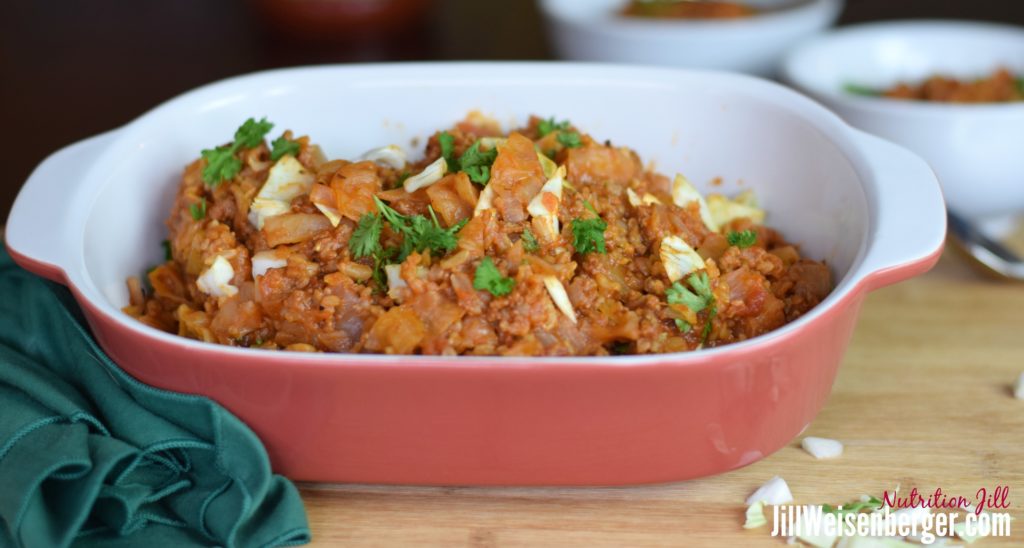
Easy-peasy one-pot unstuffed cabbage
The feel-good news: Whether canned or fresh, tomatoes wear a crown of nutrient nobility. They give us vitamins A and C, some fiber of course, and phytochemicals like lycopene. In fact, cooked or canned tomato products give us more of their lycopene than does the fresh vegetable. I award canned (or boxed) tomatoes the Olympic gold for versatility and convenience. As long as I have a can in my pantry, I can finagle something nutritious and delicious for dinner. Canned tomatoes punch up soups, stews, pasta, casseroles, and even bean salads.
Because of consumer demand, nearly all manufacturers voluntarily stopped lining cans with BPA. This is true for tomato products as well as other canned foods, such as black beans, green beans, and peaches.
Pro-tip: Either use the no-salt-added version or mix a can of the regular with the no-salt-added tomatoes to trim sodium by almost half.
Food is to be enjoyed, not feared. Cheers to the love of wholesome food!
Filed Under: Myth Busting
Tagged: Vegetables, blood sugar, diabetes, eggs, fruit, glycemic index, prediabetes, processed foods

Jill Weisenberger
I'm Jill, and I believe simple changes in your mindset and health habits can bring life-changing rewards. And I don't believe in willpower. It's waaaay overrated. As a food-loving registered dietitian nutritionist, certified diabetes care and education specialist and certified health and wellness coach, I've helped thousands of people solve their food and nutrition problems. If you're looking for a better way to master this whole healthy eating/healthy living thing or if you're trying to prevent or manage diabetes or heart problems, you'll find plenty of resources right here.
Leave a Reply
3 Comments
Leave a Comment
Welcome to my Blog
Hi there! I'm Jill, a nutrition & diabetes expert and the author of 4 books.

I believe simple changes in health habits can bring you life-changing rewards.
And I believe willpower is way overrated.
Right here is where you can discover the mindset and habits to stick with healthy lifestyle choices most of the time - and drop the guilt when you don't.
Get the Second Edition!

Featured Posts



Thank you for this ! It’s nice to hear that all these foods are fine. I don’t have Diabetes; and when my A1C started to move into the pre-Diabetes level, I made changes and was able to lower it. (I was adding a VERY sweet cream to my morning coffee; sometimes I felt like I was drinking a candy bar first thing in the morning. Happily, it was pretty easy to quit.) Still, my brother has Type 2 diabetes, so I work at being aware of how I eat. I really enjoy your newsletter.
My husband just started taking medication since his A1C was 6.5. He is 72 years old . I make him a fruit bowl in the mornings of strawberries, blackberries and a banana ( i make sure it is a little green)
Would you think it is ok to continue this since now he is taking medicine
Thanks for your opinion
I respect what you say
Hi Eileen, I can’t really say what’s best for your husband since I don’t know him and haven’t done any type of assessment. In general, fruit is very good for us. But our meals should be balanced. You don’t say what else he’s eating with the fruit. Greek yogurt or cottage cheese with nuts could help balance the meal. You might find this article on meal planning and this one on carb counting helpful.