
10 Super Simple (almost painless) Ways to Eat Less Salt + 8 reasons why
You can eat less salt and still love the taste of your food. These 10 ways to eat less salt will please you and the fussy eaters you spend time with.
I guiltily dumped a package of pricey low-sodium soup down the garbage disposal. I couldn’t get rid of it fast enough. That’s how horrible it tasted.
Healthy food does not have to taste gross! Or even boring!
Stick around if you want to eat less salt and still love your food.
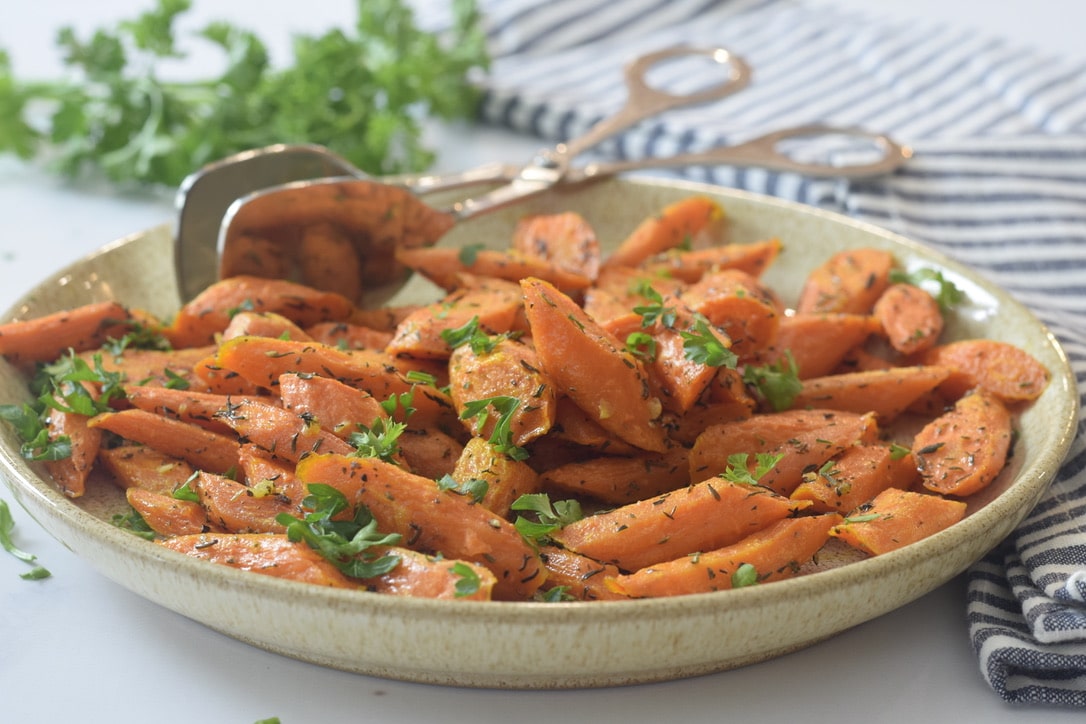
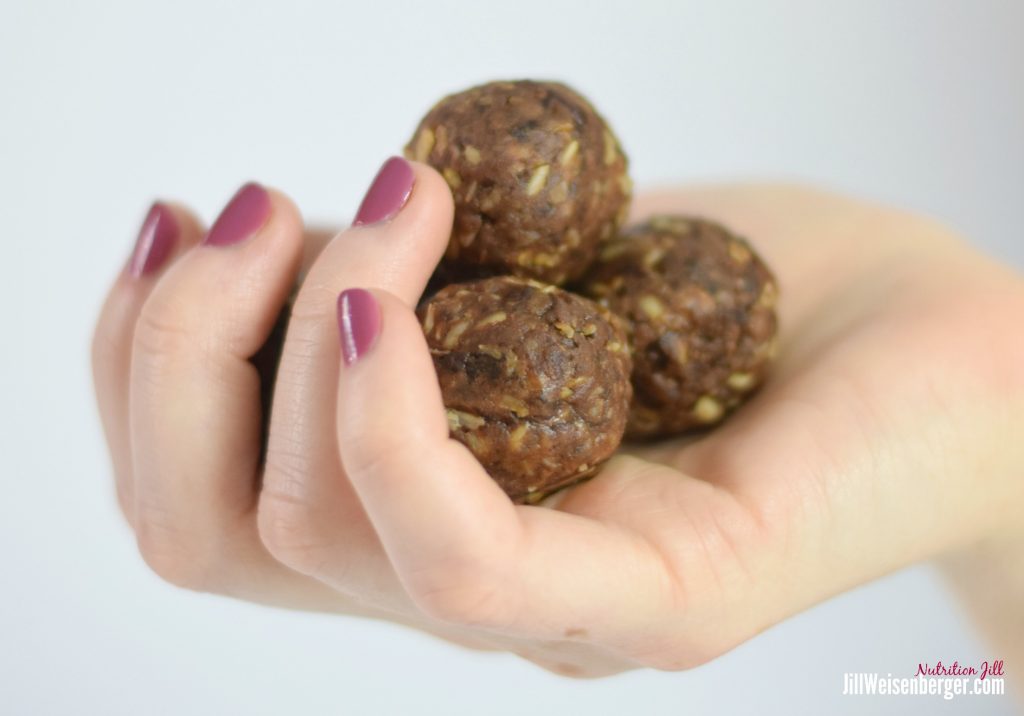
These are gorgeous AND delicious! And naturally low-sodium.
Why you should eat less salt
No doubt, you know that a high sodium intake is linked to high blood pressure. But what if your blood pressure is great? Does your sodium intake still matter?
In a word: yes.
But keep reading.
3 effects you probably know about
Too much sodium intake is linked to each of the following:
- high blood pressure
- stroke
- heart disease
But that’s not all.
If you have prediabetes or diabetes, you have a high risk for high blood pressure. In fact, most people with diabetes eventually need blood pressure-lowering medications. That’s why I always advise folks with prediabetes or diabetes to eat less salt.
Here are the surprising foods to eat if you have high blood pressure.
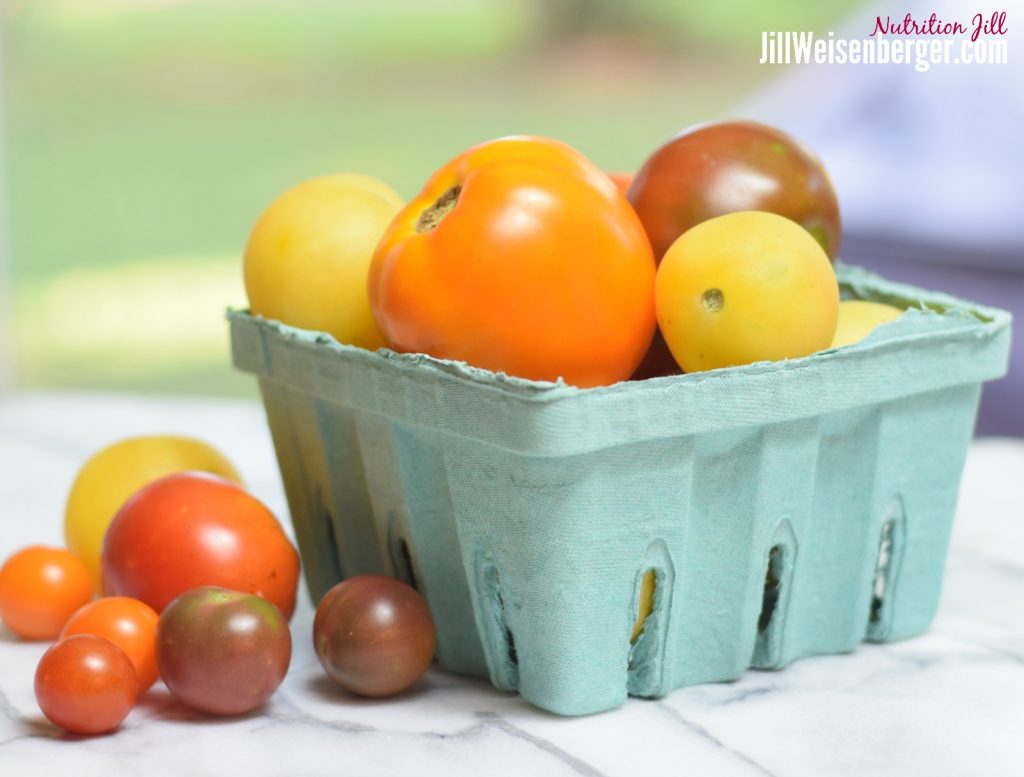
These beautiful heirloom tomatoes are packed with flavor and nutrition and are naturally low in sodium.
Surprising effect of too much sodium
- stomach cancer
- osteoporosis
- kidney stones
- changes in the gut microbiome
- inflammation of the blood vessels from increased oxidation and the activation of the immune function
These are the reasons you should limit your sodium intake even if your blood pressure is in the ideal range.
Check out how to feed your gut microbiome.
Sodium in the U.S.
According to the CDC, 90% of Americans over 2 years (so yes, even our kids) need to eat less salt. Our average intake is 3,400 mg sodium/day – significantly more than the recommended cap of 2,300 mg.
Most of our sodium intake comes from salt – whether it’s iodized salt, kosher salt, Himalayan salt, or some other favorite salt. The chemical compound in each of these is sodium chloride. It’s the sodium portion that needs trimming.
Hiding the salt shaker won’t be enough. The majority of our sodium intake comes from salt added to packaged and restaurant foods. A mere 12% or so comes from salt added during cooking or at the table.
How to eat less salt intake without sacrificing taste
Here are my 10 top tips to eat less salt at home and in restaurants.
1. Combine canned goods
When you mix a can of regular tomato sauce, for example, with a can of no-salt-added diced tomatoes, you lower the sodium by close to half. Try it. I don’t think you’ll notice much difference. See how I did that in my Lentil and Sweet Potato Chili and one of my most popular recipes, Shakshuka.
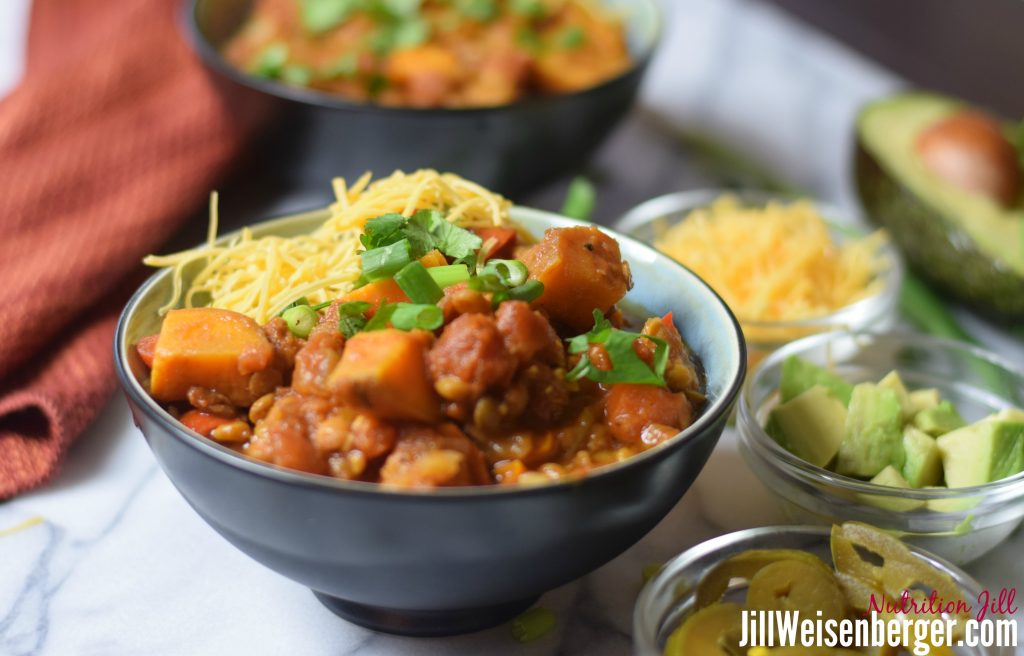
Warm, spicy, and delicious Lentil and Sweet Potato Chili combines regular and no-salt-added tomato products.
2. Cook more at home
You have way more control over all of your ingredients – salt, fats, sugar, everything – when you eat more home-prepared meals. Unless you’re baking, most recipes call for more salt than necessary. Try reducing the salt by 1/4 or 1/2. If necessary, add a sprinkle or two after cooking.
3. Squeeze fresh citrus
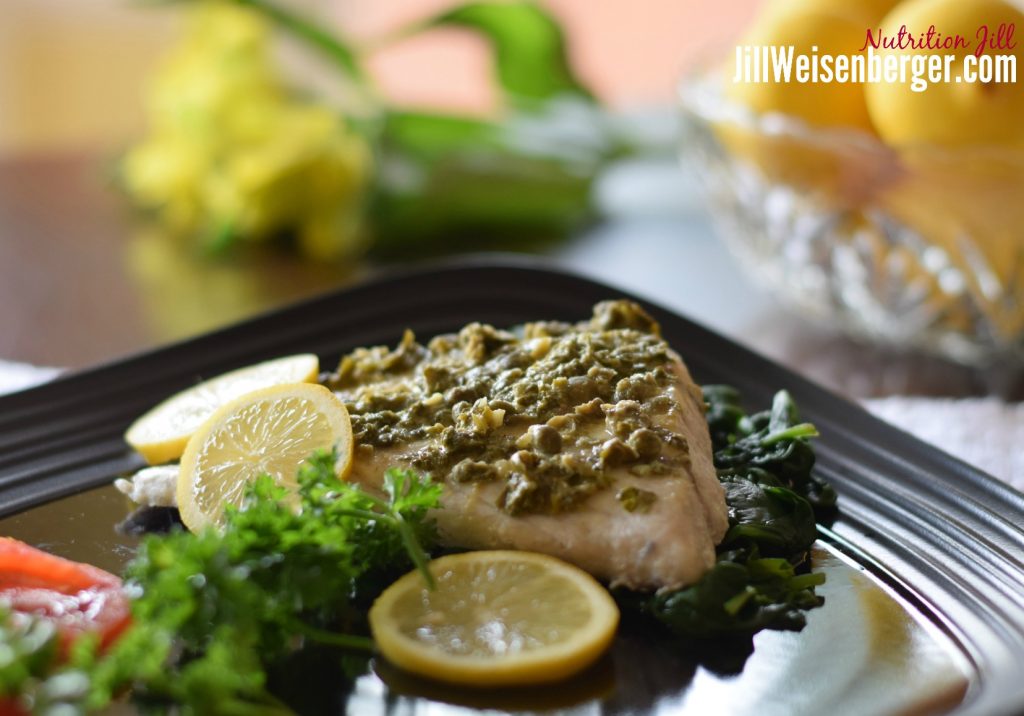
A bit of lemon or lime juice added at the end of cooking brings out tons of flavor, so you can use less salt. I use citrus in so many recipes. This lemon basil sauce for fish has nearly 0 mg of sodium. And an all-time favorite with a burst of flavor from orange zest is this easy baked salmon. And you should also check out my super yummy tofu marinated in lemon, mustard and herbs. 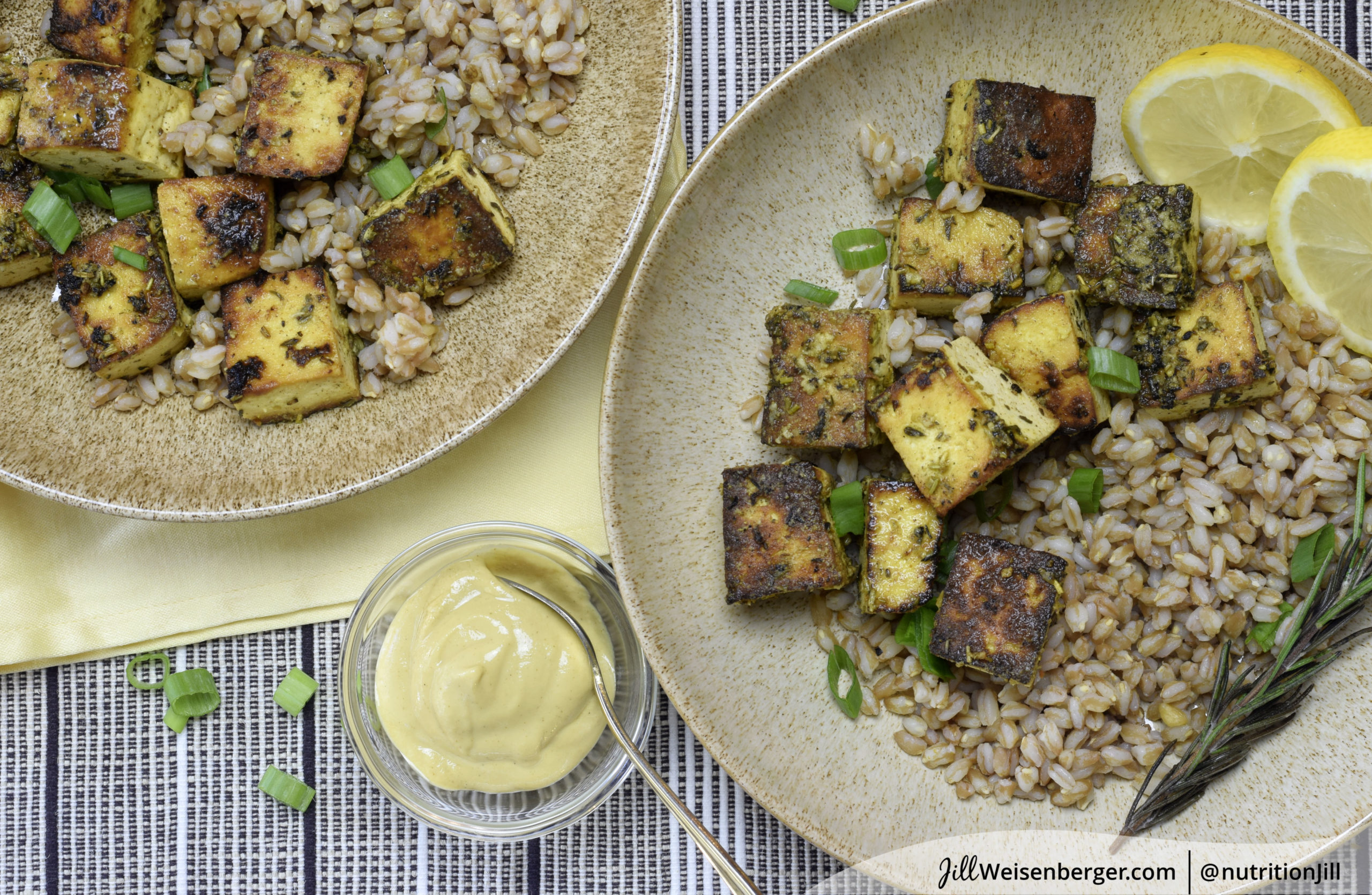
4. Rinse canned beans and other vegetables
This simple step washes away about 40% of the sodium.
5. Liberally use herbs and spices
Use fresh, dried, or a combination of both. Don’t make these 5 common mistakes with herbs and spices.
6. Use only half of a seasoning pack
Got a packaged rice dish? Or some other convenience food that comes with seasonings?
Trim half the sodium by using only half of the seasonings. You probably won’t need anything more, but if your dish tastes a little flat, add more herbs and spices from your spice rack or a squeeze of lemon.
7. Sprinkle MSG
I know you’re thinking I must be crazy.
After all, the S in MSG stands for sodium. In full disclosure, I learned some of this information at a sponsored conference, but I did my own fact checking and taste testing. The award-winning chef and TV personality Andrew Zimmern told us that using a home mix of 2/3 table salt to 1/3 MSG (you can get it in the product Accent) is an ideal way to enhance flavor. It lowers sodium by about 25% because MSG has less sodium than table salt. I admit that I was totally shocked by the flavor punch from a small amount of MSG. The food doesn’t just taste like it has more salt; it tastes more flavorful, in general.
8. Read food labels
Taste is a terrible indicator of sodium content! I bet that surprises you. Who would guess that a 1/2-cup serving of instant chocolate pudding packs more than double the sodium as an ounce of salted peanuts? Various brands will differ, so compare packages in the supermarket.
9. Check out restaurant nutrition facts
Plenty of restaurants now have them, so take advantage. Again, make no assumptions about taste in supermarket items or restaurant foods.
10. Kindly make special requests
Here are some salty words:
- pickled
- brined
- barbecued
- cured
- smoked
- soy sauce
- miso
- teriyaki sauce
Foods prepared in these ways usually pack a load of sodium. But there’s no guarantee one way or the other from words on a menu. Chat with your server or the chef. It’s perfectly okay to kindly ask a chef to put a sauce on the side or to use a light hand when salting a dish.
More good news!
Your tastes will change over time, so ease into lower-sodium foods and cooking techniques. Search for healthy recipes and experiment in your kitchen. You’ll find that it’s not that hard to eat less salt.
Filed Under: Heart Health, Nutrition
Tagged: cooking tip, heart healthy, sodium

Jill Weisenberger
I'm Jill, and I believe simple changes in your mindset and health habits can bring life-changing rewards. And I don't believe in willpower. It's waaaay overrated. As a food-loving registered dietitian nutritionist, certified diabetes care and education specialist and certified health and wellness coach, I've helped thousands of people solve their food and nutrition problems. If you're looking for a better way to master this whole healthy eating/healthy living thing or if you're trying to prevent or manage diabetes or heart problems, you'll find plenty of resources right here.
Leave a Reply
Welcome to my Blog
Hi there! I'm Jill, a nutrition & diabetes expert and the author of 4 books.

I believe simple changes in health habits can bring you life-changing rewards.
And I believe willpower is way overrated.
Right here is where you can discover the mindset and habits to stick with healthy lifestyle choices most of the time - and drop the guilt when you don't.
Get the Second Edition!

Featured Posts