
1 BIG surprising truth about processed and unprocessed foods + 3 tips
Inside: Get the facts – not the hype – about processed and unprocessed foods, and feel your grocery shopping frustrations fade away.
If only there was an easy way to identify wholesome foods in the supermarket!
I get the desire for a simple icon or flag on food labels. Some people have suggested a 3-tier green, yellow, and red label program, but no one will ever create a system that covers all people and all situations. Nutrition is about nuance. It’s not black and white. Or green, yellow, and red.

Photo credit: Martijn Baudoin
Even my daughters, who grew up learning about healthful eating, sometimes text or FaceTime me from the grocery store to ask: “Is this food healthy?”
My answer?
“Well that depends.”
“It could be depending on what else you eat with it.”
“Maybe, if you have just a little.”
And you know what I never say? I never give a firm yes or no. If they asked about broccoli – which they don’t – I’d give them a loud YES. Or if they asked about cheese puffs – which they don’t – I’d shout “HECK NO!” Some foods are obvious. But most items in the grocery store aren’t, and they can’t easily be classified as good for you or bad for you.
“But,” I hear someone asking, “what about processed and unprocessed foods? Aren’t processed foods bad and unprocessed foods good?”
What about processed and unprocessed foods?
Again, it’s all about nuance.
Processed foods can be as nutritious and wholesome as unprocessed foods.
Processed foods can be even more nutritious than unprocessed foods.
And they can be safer to consume.
Hear me out
Frozen green beans (and other produce) often pack more vitamins than fresh beans and other produce, and here’s why. Farmers pick their vegetables at peak ripeness and either send them for freezing and packaging (processing) immediately, or they send them to markets where shoppers can buy them fresh.
Fresh produce gets packed on a truck, might be shipped across the country, lands in the back of the supermarket for hours or days, and finally makes its way to the produce section, where you spot it days after harvest.
I throw a week’s worth of veggies in my cart and load up my refrigerator once I get home. Over the week, we make our way through them. But in all that time since the farmers harvested my vegetables, light and oxygen were bore down destroying some of the vitamins.
Yet, I still load my cart with fresh veggies
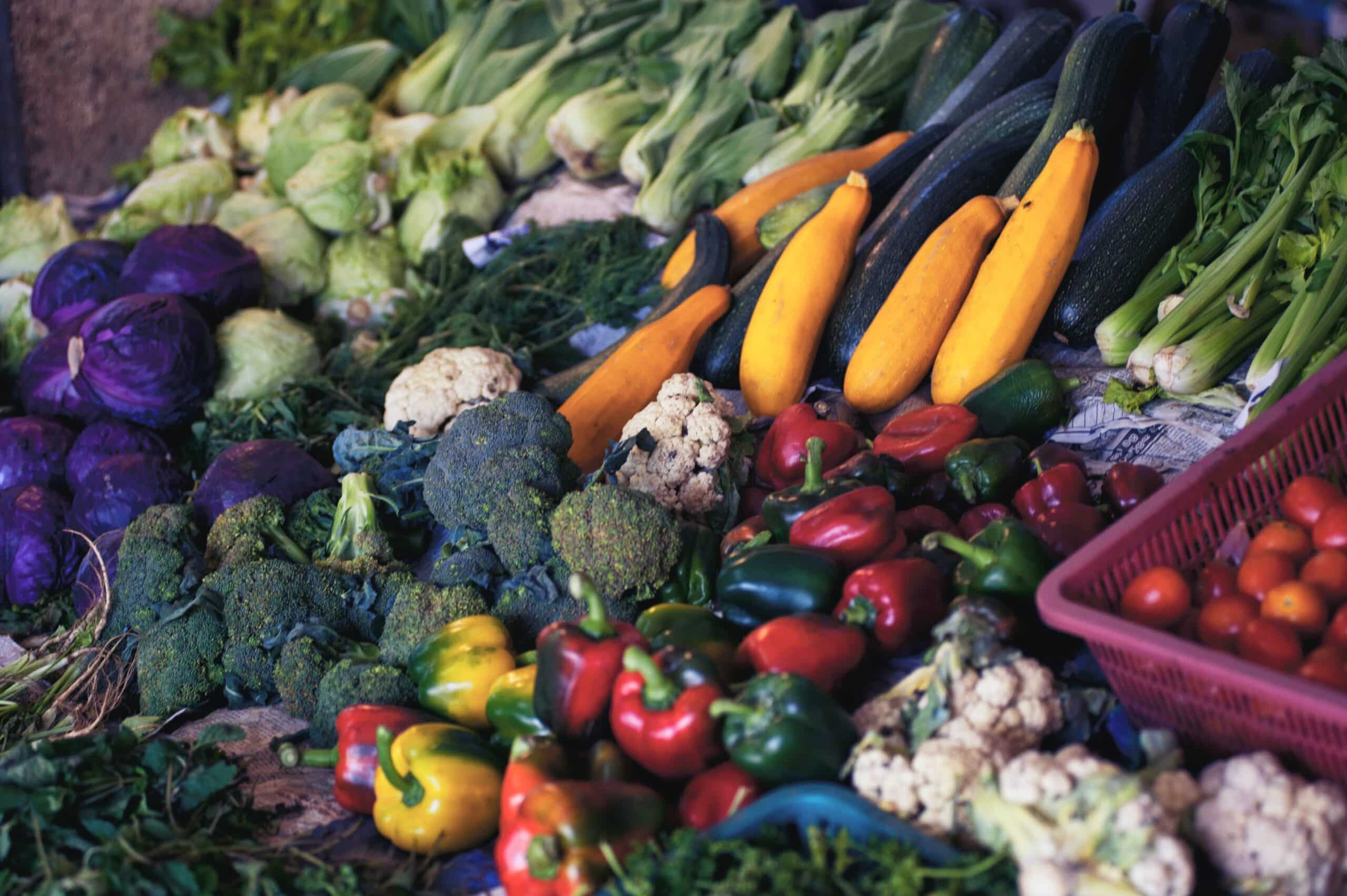
Photo credit: Alexandr Podvalny
I like fresh vegetables more than frozen and canned ones, so I choose fresh most often. But I know frozen veggies didn’t sit for days with light and oxygen taunting their vitamins. In this case, both processed and unprocessed produce are super nutritious. The frozen ones likely have more vitamins.
So which should you eat? Whatever you prefer.
And what about safety?
Some unprocessed foods will never cross my lips. Unpasteurized milk, for one. Raw beef or poultry, for another. Processing makes these foods safe to consume.
Don’t processed foods cause weight gain?
and prediabetes, diabetes, and heart disease?
If you read internet headlines, you’ll see Processed Foods are Making Americans Obese and Ultra-processed Foods are to Die for.
Both headlines earn high marks in sensationalism, but they also have a grain of truth. Studies link highly processed foods to poor health, including prediabetes, type 2 diabetes, heart disease, and obesity. And in another study, people who consumed the highest amounts of ultra-processed foods have the greatest prevalence of overweight and obesity. But these studies don’t show that processed foods cause health problems. They show only an association.
The closest we get to demonstrating cause is a cool randomized controlled study conducted at NIH. Researchers followed 20 adults for 2 weeks on an ultra-processed foods diet and 2 weeks on an unprocessed foods diet. The subjects lived in the research facility for the duration of the study and had no access to food other than the study food. They could eat as little or as much as they wanted of their 3 meals and available all-day snacks.
The results are fascinating
The subjects consumed about 500 more calories eating the ultra-processed diet than when they ate the unprocessed diet. And they gained about 2 pounds during those 2 weeks. Furthermore, they lost about 2 pounds during the 2 weeks on the unprocessed foods diet.
Researchers matched the two diets for calories, carbohydrates, fats, protein, total sugar, and fiber, so we know the weight difference isn’t about macronutrients. Could industrial processing and added ingredients like gums and emulsifiers have caused weight gain?
It could be, but it’s still not clear.
Something surprising might contribute to weight gain
In the NIH study, the participants rated both diets equally tasty, so they didn’t lose weight on one diet and gain weight on the other because one diet tasted better.
But researchers found a big difference in the eating speed between the two diets. The subjects ate faster during the ultra-processed diet period, and that was correlated to eating more calories and gaining more weight.
Think about the foods that lend themselves to being gobbled. It’s not an unprocessed fresh apple or a kale salad. But I bet we could eat a highly processed protein bar or hot dog pretty dang fast.
Eating slowly matched with eating fewer calories, but the subjects weren’t told to eat slowly. They naturally ate more slowly on the unprocessed diet.
Limit ultra-processed foods
Most Americans do eat enormous amounts of processed and ultra-processed foods. Recent national surveys suggest we get about 57% of our calories from foods that have undergone multiple industrial processing steps or contain ingredients you wouldn’t have at home.
That can’t possibly be good for us. The problem is that stuffing the plate with so many processed foods doesn’t leave much room for salmon, cantaloupe, broccoli, and other wholesome unprocessed foods.
Nuanced nutrition
Classifying foods as processed and unprocessed doesn’t address the wholesomeness of food. Consider pouring soy milk over your steel-cut oats and walnuts or adding whey protein powder to your morning smoothie of fruits and leafy greens. By definition (using the common NOVA classification), any food product with industrial ingredients is ultra-processed, so both your breakfast bowl with soy milk and your smoothie are ultra-processed, even though both are packed with nutrition. And I’d call them both wholesome.
I don’t suggest avoiding soy milk or whey protein if they help you eat a healthy diet. So again: Classifying foods as processed and unprocessed doesn’t address the wholesomeness of food.
And that is the problem
Most highly processed and ultra-processed foods don’t help anyone eat a health-boosting diet.
If 57% of your calories come from sugary colas, snack cakes, protein bars, candy, ice cream, chips, and cheese puffs, then ultra-processed foods are destroying your diet. Even with studies linking processed foods to poor health, I don’t think we can say processing is the problem.
Food quality is the problem.
I doubt that processed foods like soy milk, whey protein, veggie burgers, and sparkling water make you gain weight, die young, have a heart attack, or develop type 2 diabetes. But I implore you to limit donuts and toaster pastries for breakfast, greasy burgers, and fries for lunch, fast food burritos and corn chips for dinner, and pretzels and cookies for snacks.
3 steps to answering “Is this food healthy?”
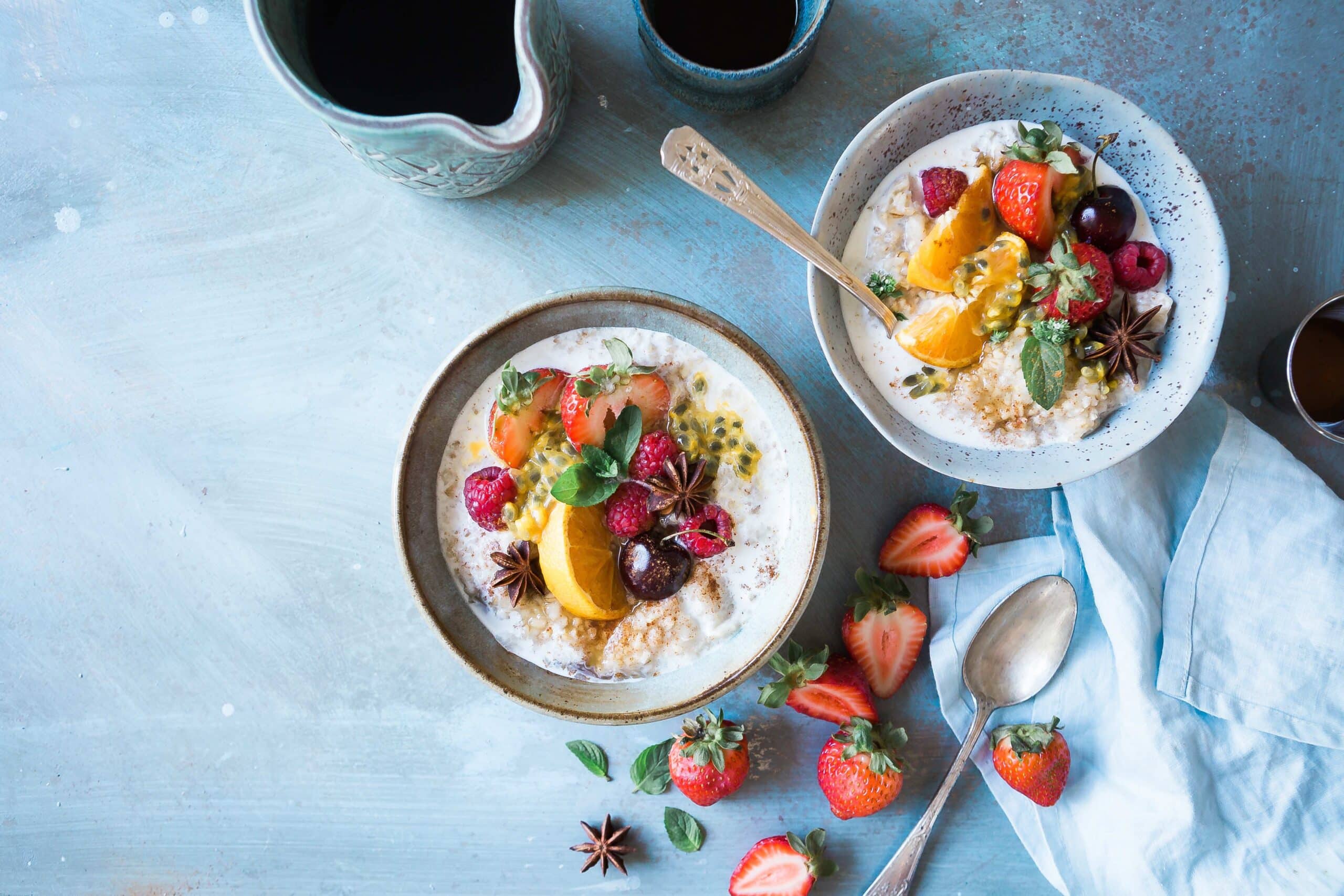
This is a wholesome breakfast of oats, fruit, and soymilk, even though soy beverages are classified as ultra-processed. Photo credit: Brooke Lark
#1 Drop the black-and-white thinking
Nearly nothing in nutrition is rigid. Added sugars in small amounts are not toxic. Likewise, not all processed foods are harmful.
#2 Consider nutrient density
If you wonder: Is this food healthy, ask what it offers you in the way of nutrition. If weight gain is a concern, choose foods high in nutrition and relatively low in calories: fruits, vegetables, pulses, lean meats, fish – you get the idea.
#3 Consider your total diet
Aim to eat a stellar diet about 85% of the time. The rest is icing on the cake. Your total diet is more important than any individual food – unprocessed or ultra-processed.
Filed Under: Science of Healthy, Success strategies
Tagged: convenience foods, processed foods, ultra-processed foods, weight loss

Jill Weisenberger
I'm Jill, and I believe simple changes in your mindset and health habits can bring life-changing rewards. And I don't believe in willpower. It's waaaay overrated. As a food-loving registered dietitian nutritionist, certified diabetes care and education specialist and certified health and wellness coach, I've helped thousands of people solve their food and nutrition problems. If you're looking for a better way to master this whole healthy eating/healthy living thing or if you're trying to prevent or manage diabetes or heart problems, you'll find plenty of resources right here.
Leave a Reply
4 Comments
Leave a Comment
Welcome to my Blog
Hi there! I'm Jill, a nutrition & diabetes expert and the author of 4 books.

I believe simple changes in health habits can bring you life-changing rewards.
And I believe willpower is way overrated.
Right here is where you can discover the mindset and habits to stick with healthy lifestyle choices most of the time - and drop the guilt when you don't.
Get the Second Edition!

Featured Posts



Can watermelon, and cantalope be eaten by diabetics?
I typically don’t restrict any type of fruit. In general, I prefer clients with diabetes to use carbohydrate counting as part of their meal planning process. That allows for any type of fruit or other wholesome carb-containing foods. You can learn the basics of carb counting here. I also suggest you ask your provider for a referral to a registered dietitian nutritionist (RDN) who also specializes in diabetes (CDCES). Insurance usually covers this for people with diabetes.
Jill, you have provided the best summary of this topic that I’ve read! Love the section “is this food healthy” also. Thank you.
Aaaaw, thanks