

3 Tips for Diabetes Meal Planning

 It’s National Diabetes Month! Here are some tips to make diabetes meal planning less daunting.
As part of my series to feature people important to the diabetes community, I interviewed certified diabetes educator and registered dietitian Hope Warshaw, author of Diabetes Meal Planning Made Easy.
Jill: You’ve written lots of books about diabetes, including Diabetes Meal Planning Made Easy. Meals planning, whether or not someone has diabetes, often seems daunting. What tips can you share?
Hope: You’re absolutely correct. Planning, shopping for and preparing meals day in, day out can be a daunting task. That’s particularly true if you aren’t used to doing this, aren’t comfortable buying food or preparing it. So, it’s best to start simply and build your skills and comfort level.
3 Diabetes Meal Planning Tips
- Keep meals simple. For breakfast and lunch, set your planning and eating on auto-pilot. Come up with two to three quick-to-fix breakfasts and lunches. Make a list of these foods. Make sure you always have a sufficient supply of the foods for these meals by shopping regularly. And you are ready to take off.
- Assemble dinners. You don’t have to do time consuming cooking from scratch each night. Come up with a handful of meals that you can assemble from a few ingredients that are easy to keep on hand. Think frozen chicken breasts or canned tuna or salmon, frozen vegetables (both starchy and non-starchy). Looking for a quick cooking grain or two? Try whole wheat couscous or quinoa.
- Cook once, eat twice or thrice. For example, roast a chicken. Have chicken, a green vegetable and baked potato one night. The next night enjoy chicken burritos with diced chicken, corn mixed with canned beans, diced tomatoes and lettuce. You get the picture. Then step by step, as your comfort level in the kitchen grows and time allows (hopefully!) tackle a few recipes, and increase the complexity of meals.
Jill: A lot of people think there is an ideal diet for people with diabetes. What do you say?
Hope: No! And there’s no longer such a thing as a “diabetic diet.” Let’s focus here on food and nutrition advice for people with type 2 diabetes and prediabetes and take one at a time.
What research has shown us over last few decades is that people diagnosed with type 2 diabetes can successfully manage their diabetes eating anywhere along the nutrition and nutrient spectrum from higher carbohydrate and lower protein, such as vegan or vegetarian; to lower carbohydrate and higher protein. The most important factors about the eating plan a person with type 2 diabetes follows is that it is or becomes your healthy way of eating…part of your life and lifestyle. You can follow it 80 – 90 percent of time with room for some splurges on occasion and as your calorie allotment allows. We know that when most people are diagnosed with diabetes (hopefully soon after they develop it), they typically are overweight (though not everyone is). We know that losing 5 – 7 percent of your body weight, about 10 to 20 pounds, on average (and most importantly) keeping as many of these pounds off through healthy eating and being physically active is most critical.
But, and this is important, even if a person doesn’t lose a pound, making healthier food choices can also help slow the progression of type 2 diabetes and help keep glucose, blood pressure and blood lipids in better control. The mantra in caring for type 2 diabetes today is early, aggressive action to delay the progression of disease and prevent or delay diabetes complications.
Regarding prediabetes, the same advice as I noted above is true. Lose a few pounds. Work to keep them off. Find a healthy way of eating you can live with. This doesn’t mean steer clear of foods that contain carbohydrate, such as breads, grains, starchy vegetables, non-starchy vegetables and fruit. Do try to limit sweets and sugary foods – concentrated sources of carbohydrate (read more below). Get and stay physically active. All of this is easier said than done. Establishing small and steady lifestyle changes is the key to success.
Jill: What are a couple big myths about type 2 diabetes or prediabetes?
Hope: Myth one: You can reverse prediabetes or type 2 diabetes. When it comes to prediabetes, some people by taking the steps I outlined above, can prevent the progression of prediabetes to type 2 diabetes. A small number of people can reverse prediabetes and return their glucose results back to normal. Most people diagnosed with prediabetes will be able to slow or delay the progression to type 2 diabetes, but they will eventually develop it over their lifetime. If someone is diagnosed with type 2 diabetes, they are much less likely to reverse it unless they lose a significant amount of weight and catch it very early or they have metabolic surgery.
Myth two: People with prediabetes or type 2 diabetes must severely limit the amount of carbohydrate they eat. As I noted above, people can eat healthy sources of carbohydrate and a reasonable amount of it. Carbohydrate is our main source of energy (calories). Many foods that contain carbohydrate, like fruits, vegetables, whole grains, and legumes, are sources of all-important fiber. These foods are also excellent sources of vitamins and minerals.
Jill: Do people with prediabetes or type 2 diabetes need to avoid sugary foods and sweets? Are there “better” sweets for people with diabetes to eat?
Hope: No, people with prediabetes or type 2 diabetes do not need to avoid sugary foods or sweets. Sugary foods, from regular soda, fruit drinks and punches, etc. contain mainly carbohydrate. Sweets, like cake, cookies, ice cream typically contain carbohydrate and some fat…often unhealthy saturated fat. Because losing weight is so critical to achieving glucose, blood pressure and cholesterol control, it’s important to consume fewer calories. To do this and eat the nutrients you need, it’s important to compose your meals and snacks from mainly healthy foods. Think about how many times per month or week you really want to eat something sweet to avoid feeling deprived and to keep yourself on track. Once you make this decision, make sure the sweets you enjoy are delicious and that you savor every morsel!
Thanks for the opportunity to share these thoughts. Good luck in your endeavors to take care of your health! I know you can be successful.
Be sure to check out Hope’s book Diabetes Meal Planning Made Easy. And follow her on Twitter.
Filed Under: Diabetes
Tagged: Diabetes Month, Hope Warshaw, meal planning, prediabetes

Jill Weisenberger
I'm Jill, and I believe simple changes in your mindset and health habits can bring life-changing rewards. And I don't believe in willpower. It's waaaay overrated. As a food-loving registered dietitian nutritionist, certified diabetes care and education specialist and certified health and wellness coach, I've helped thousands of people solve their food and nutrition problems. If you're looking for a better way to master this whole healthy eating/healthy living thing or if you're trying to prevent or manage diabetes or heart problems, you'll find plenty of resources right here.
Leave a Reply
2 Comments
Leave a Comment
Welcome to my Blog
Hi there! I'm Jill, a nutrition & diabetes expert and the author of 4 books.
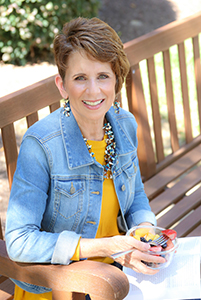
I believe simple changes in health habits can bring you life-changing rewards.
And I believe willpower is way overrated.
Right here is where you can discover the mindset and habits to stick with healthy lifestyle choices most of the time - and drop the guilt when you don't.
Get the Second Edition!

Featured Posts






Amazing write-up! Thank you for all the vital tips.
Thank you! Be sure to check out Hope’s meal planning book for even more great tips.