
I went to Canola Camp
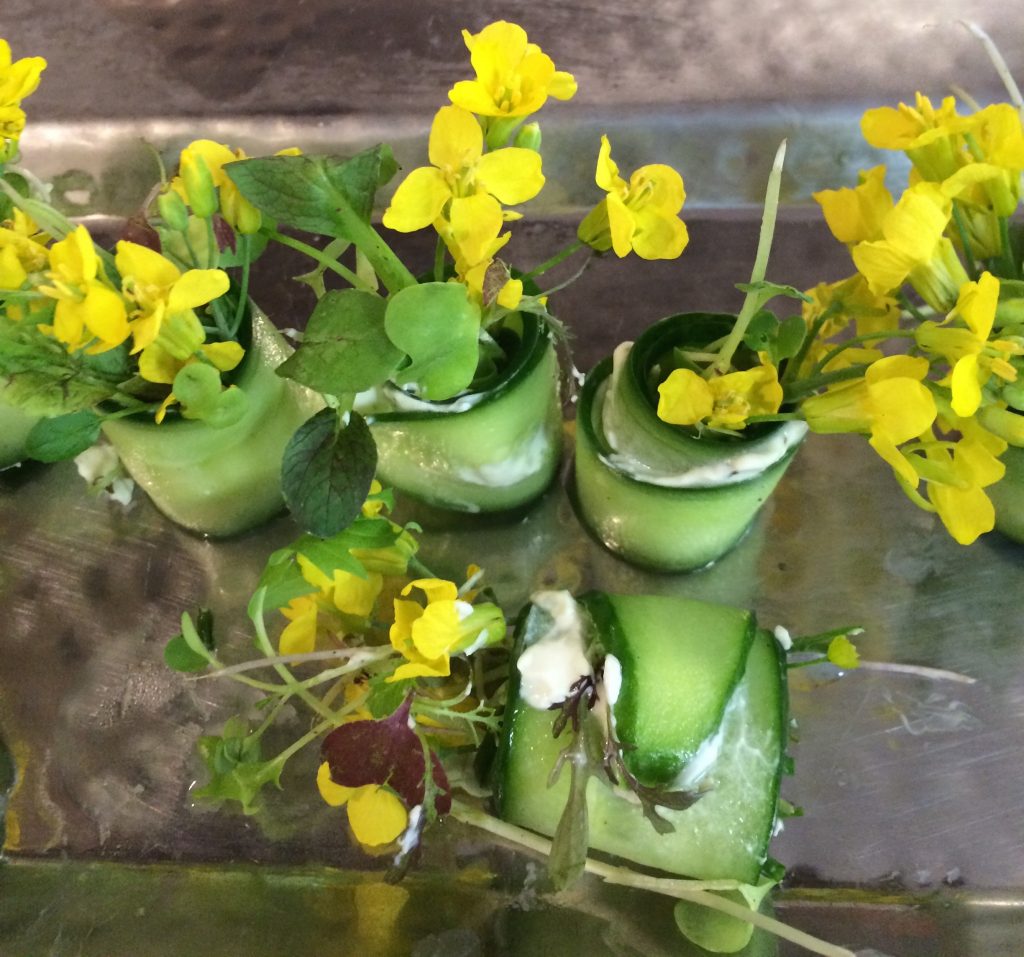
Edible Canola Flowers
One of the best things about being a registered dietitian nutritionist is learning about food, food and more food, especially when that learning comes with eating!
What a treat for me in July when I was a guest of CanolaInfo to their beautifully designed and executed Taste Touch Teach Tour in Saskatoon, Saskatchewan. Along with other registered dietitian nutritionists, food experts and journalists, I was treated to 2½ days of fun and learning. We toured a canola farm, dined on amazing food, chatted with farmers and chefs, and learned about canola farming and the uses and health benefits of canola oil.
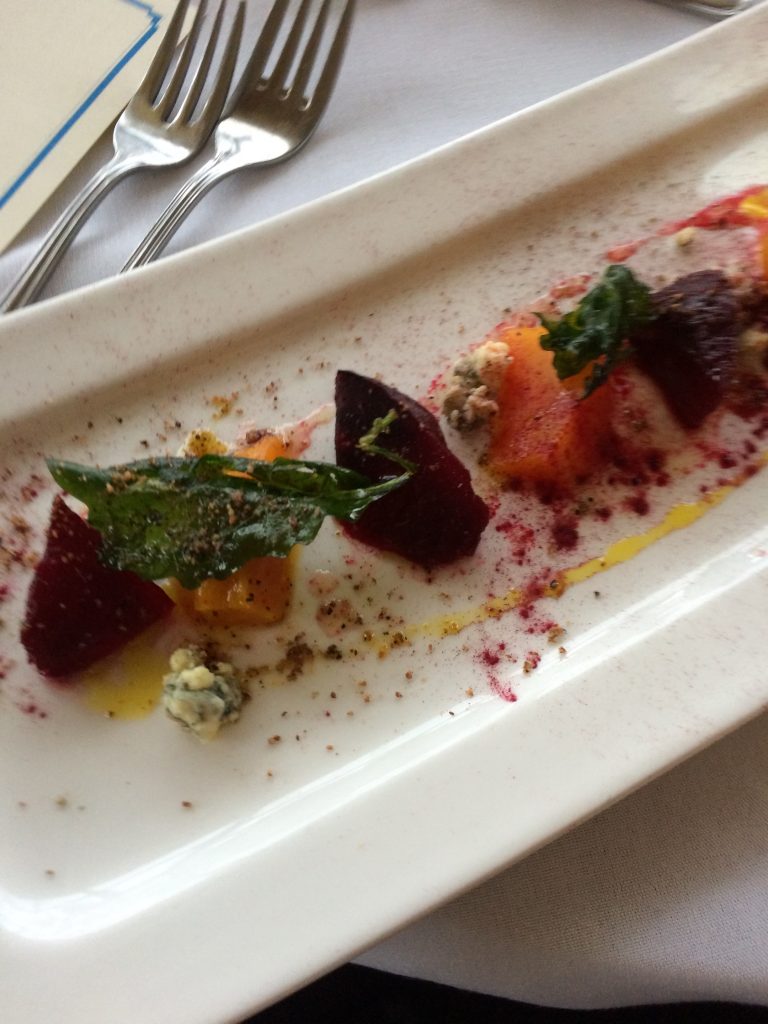
Beet Salad with Powdered Virgin Canola Oil
Why canola?
I’ve used canola oil for years. It’s is a wonderful kitchen companion because it has a neutral taste that lets the flavors of the other foods shine. Plus, it has a high smoke point, making it ideal for high temperature cooking. It’s heart-healthy because it has less cholesterol-boosting saturated fats than other commonly used oils. And it’s one of few oils containing ALA, a heart-shielding omega-3 fatty acid.
Since my trip to Saskatoon, I’m an even bigger fan of canola oil. Why? Perhaps it’s because I’ve seen the canola plants in various stages of growth. I’ve walked through the beautiful fields with yellow flowers so incredibly bright.
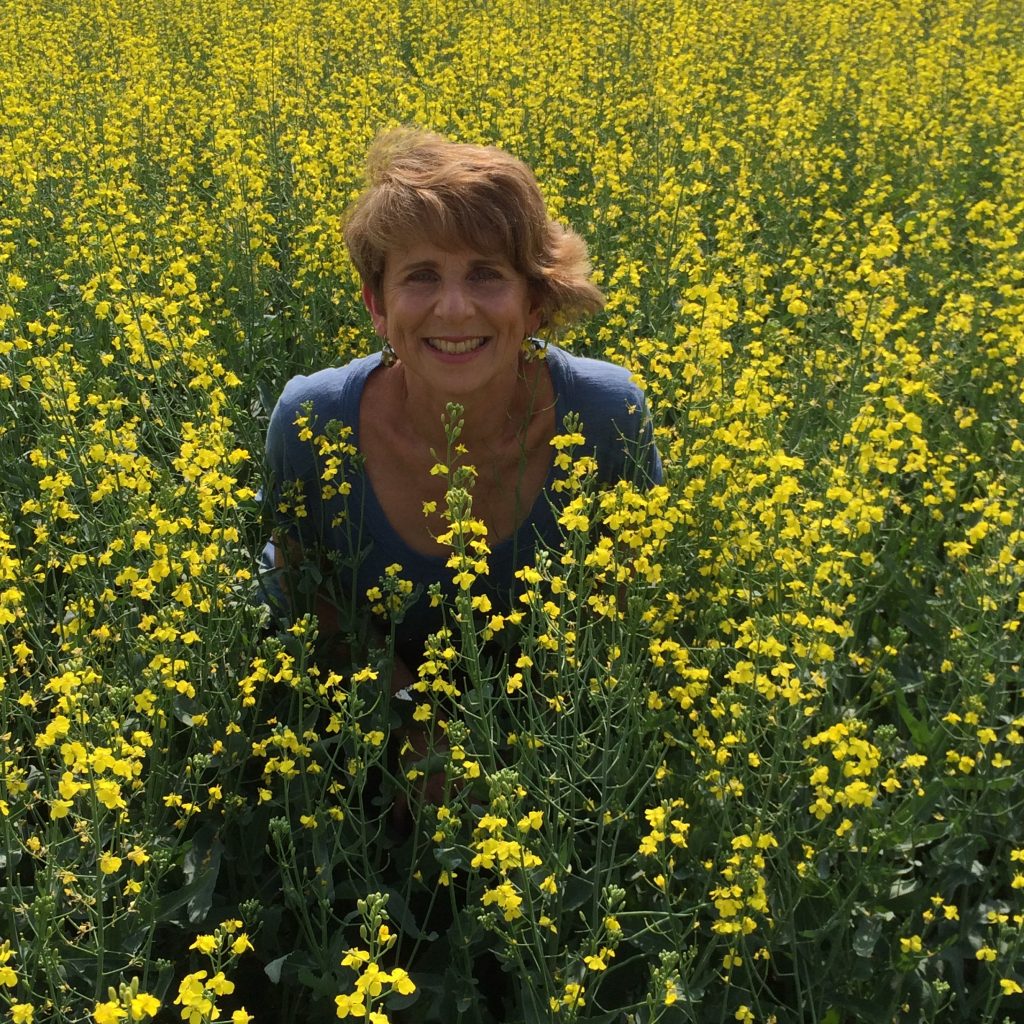
Aren’t these flowers beautiful?
I’ve tasted those flowers (they have a hint of broccoli because they are part of the same family) and several types of canola oil. But mostly, I’ve learned that the growers put their hearts and souls into their fields to produce the greatest quality oil while carefully protecting the soil, water and air. How could I not be a fan of both the oil and the farmers?
Cool things I learned about canola and canola farming
The rapeseed plant is the canola plant’s parent. Using traditional plant breeding in the 1970s, scientists created canola, which contains significantly lower levels of erucic acid and glucosinolates. Removing the glucosinolates made the plant more palatable. The name canola comes from a combination of Canadian and ola, which means oil.
Forty-three thousand Canadian farmers work 20 million acres of canola. It is the top revenue producer for Canadian farmers.
No waste product. The canola seed is quite rich in oil with about 45% of the seed being oil. Once the seed is crushed and the oil extracted, the remaining meal is used as an important protein source for dairy cows.
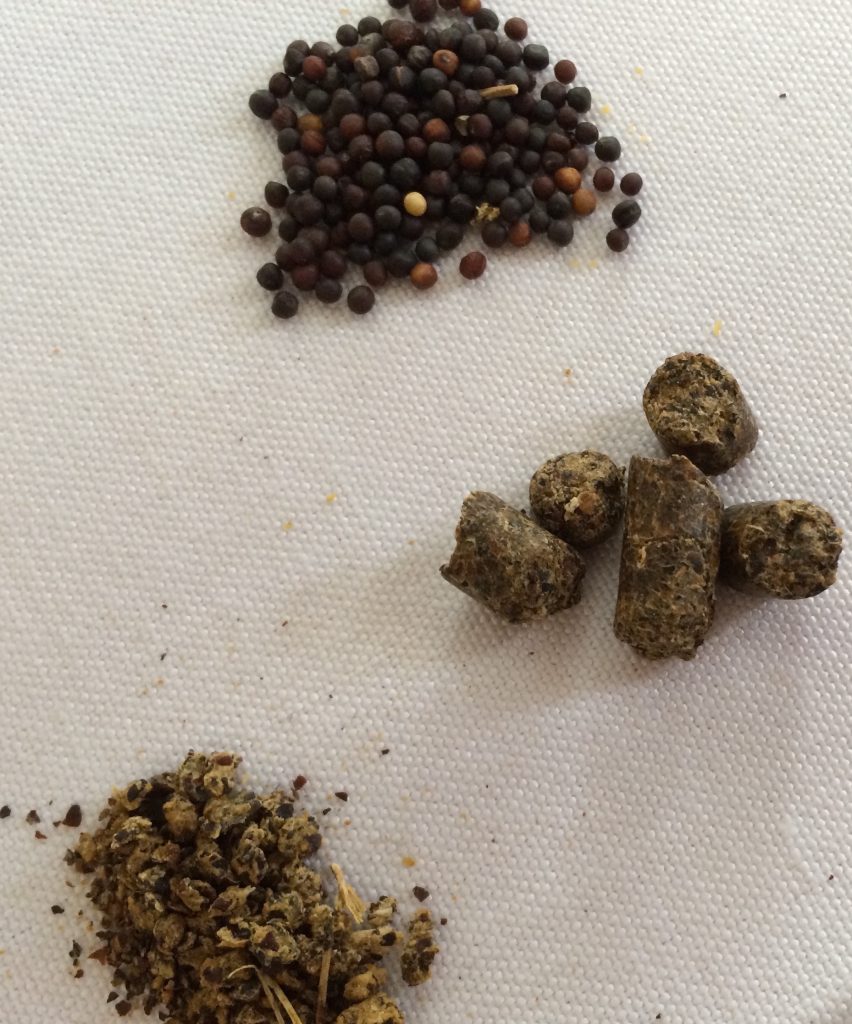
Whole seeds (top), Crushed seeds (bottom), Formed into pellets (center)
Thoughtful farming practices. The sharp farmers I met have fully embraced technology to better their farming techniques, improve yield and care for the environment. For example, they sample the soil to determine the proper fertilizers and amounts of fertilizers necessary. And they use auto steering and a GPS system to be certain that no part of the farm is over treated.
Bees love canola. And canola loves bees. The canola flower is an important source of nectar and pollen for honeybees. Canola fields bloom for a fairly long time, so one field can provide nectar for three or four weeks. Honeybees return the favor to canola plants by encouraging greater yield.
Now when I reach for a bottle of canola oil from my cabinet, I think of the farmers and their hard work.
Canola Camp was sponsored by CanolaInfo. My trip was free. I have not been paid, nor even asked, to write this blog post.
Filed Under: Heart Health, Nutrition
Tagged: Canola oil, farm to fork, fats, heart healthy

Jill Weisenberger
I'm Jill, and I believe simple changes in your mindset and health habits can bring life-changing rewards. And I don't believe in willpower. It's waaaay overrated. As a food-loving registered dietitian nutritionist, certified diabetes care and education specialist and certified health and wellness coach, I've helped thousands of people solve their food and nutrition problems. If you're looking for a better way to master this whole healthy eating/healthy living thing or if you're trying to prevent or manage diabetes or heart problems, you'll find plenty of resources right here.
Leave a Reply
4 Comments
Leave a Comment
Welcome to my Blog
Hi there! I'm Jill, a nutrition & diabetes expert and the author of 4 books.

I believe simple changes in health habits can bring you life-changing rewards.
And I believe willpower is way overrated.
Right here is where you can discover the mindset and habits to stick with healthy lifestyle choices most of the time - and drop the guilt when you don't.
Get the Second Edition!

Featured Posts



Sounds like an awesome trip. You have definitely sold me on canola oil. For years I have been using only olive oil, thinking it was the healthiest choice. Next time I’m in the store I will be grabbing a bottle of canola oil.
Thanks for sharing the info.
Patty
P.S. Love the pictures of you in the field of flowers!
I never realized how pretty those plants were before going to the canola fields. Tasty too!
Thanks for the comments. I use both canola and olive oils. They both have health-boosting properties and are good for cooking different things.